
Land can be purchased with cash, a bank land loan, or owner financing in which the seller provides the financing. The right path depends on the property, your credit and cash position, the available terms, and how the full payment fits your budget. This resource center explains how land financing differs from a home mortgage, why lenders may evaluate both the borrower and the parcel, and how down payments, interest, repayment length, fees, monthly payments, and deed timing can change the real cost and experience of a purchase. It also covers practical options for buyers with credit challenges, including looking beyond traditional bank approval while still evaluating the land itself. Use these articles to compare offers on the same basis, ask clear questions, and account for taxes and setup costs alongside the purchase payment. Financing availability and terms vary, so review the actual agreement and consider qualified financial or legal guidance before committing.
Land Financing
Latest Articles



Questions about Land Financing
What are the main ways to finance a land purchase?
Common paths include paying cash, obtaining a land loan from a bank or credit union, or using owner financing from the seller. Cash avoids borrowing but requires more money upfront. Bank and owner-financed purchases can spread payments over time, but their qualification process, down payment, interest, fees, repayment schedule, and deed timing may differ.
How is owner financing different from a bank land loan?
With owner financing, the seller acts as the lender and the buyer pays according to an agreed contract. A bank loan uses a financial institution, which may review credit, income, liquidity, the parcel, an appraisal, and other documents. Compare the actual contract terms, total cost, protections, closing process, and when the deed transfers rather than choosing by monthly payment alone.
Can I buy land if I have bad credit?
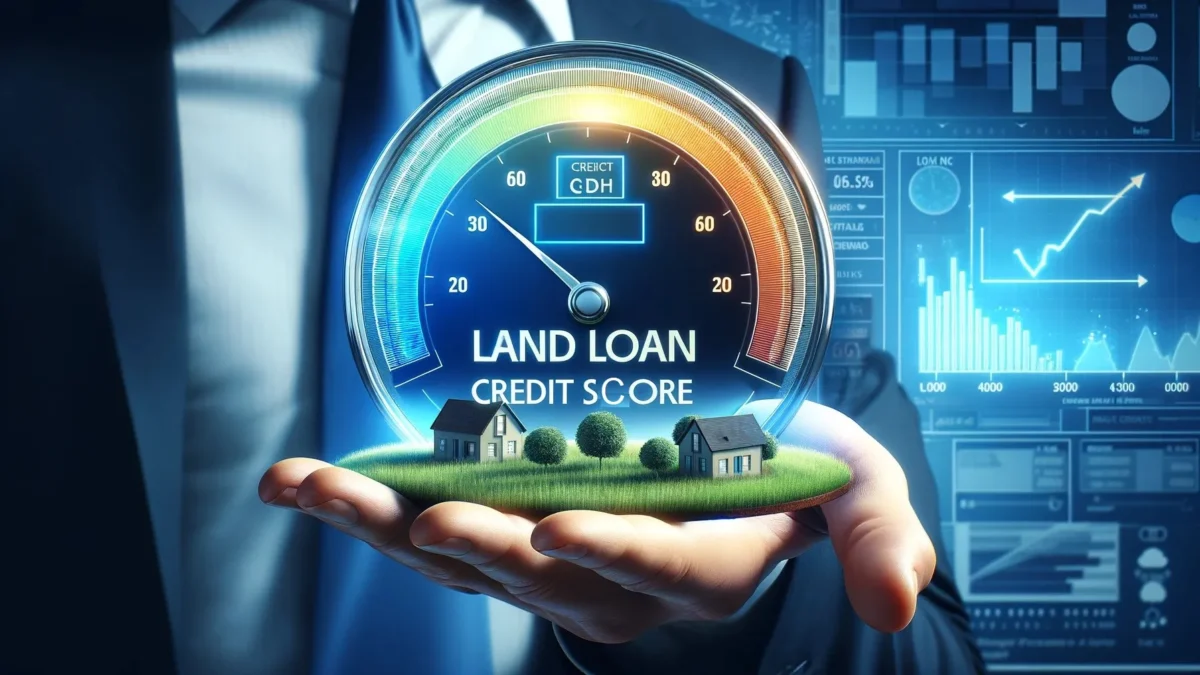
Bad credit may narrow traditional lending choices, but it does not automatically eliminate every path. Some sellers offer owner financing with a different approval process. Regardless of approval, evaluate the parcel, down payment, monthly obligation, taxes, and improvement costs together. The practical question is whether the full ownership cost is sustainable, not simply whether financing is available.
What financing terms should I compare before committing?
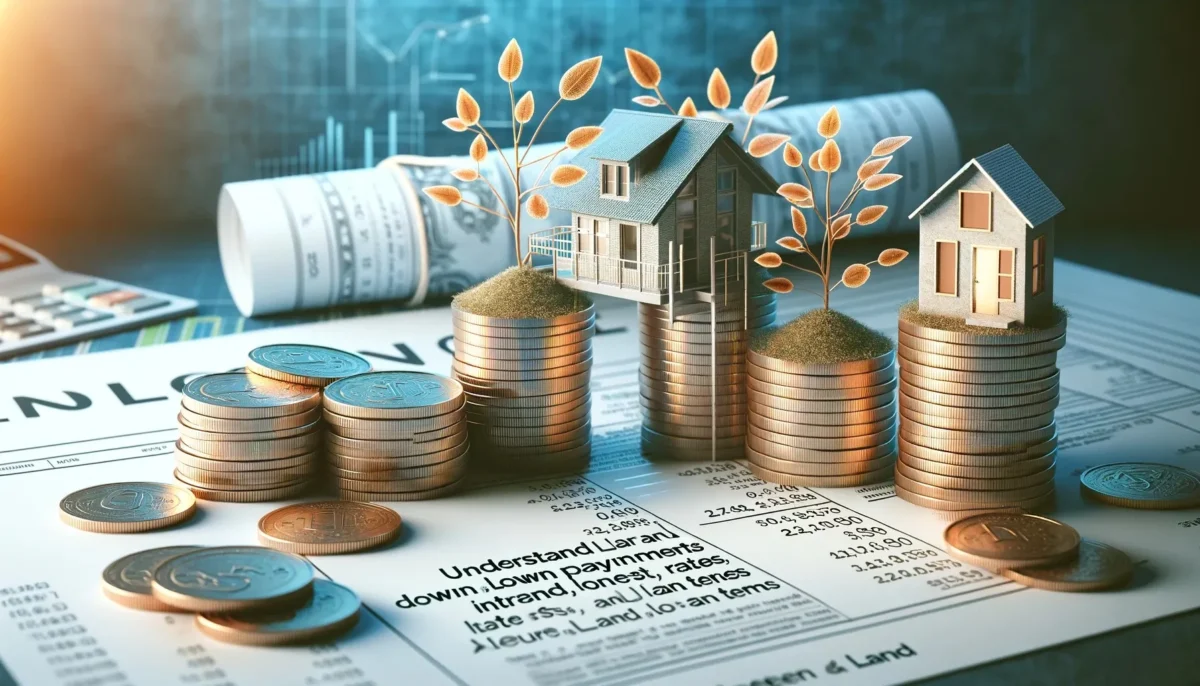
Compare the cash price, financed price, down payment, interest rate, repayment length, payment amount and frequency, closing or administrative fees, prepayment rules, late-payment terms, default provisions, and deed timing. Ask whether taxes or servicing charges are separate. Put competing offers side by side and review the written agreement so a low monthly payment does not hide a higher total cost.
