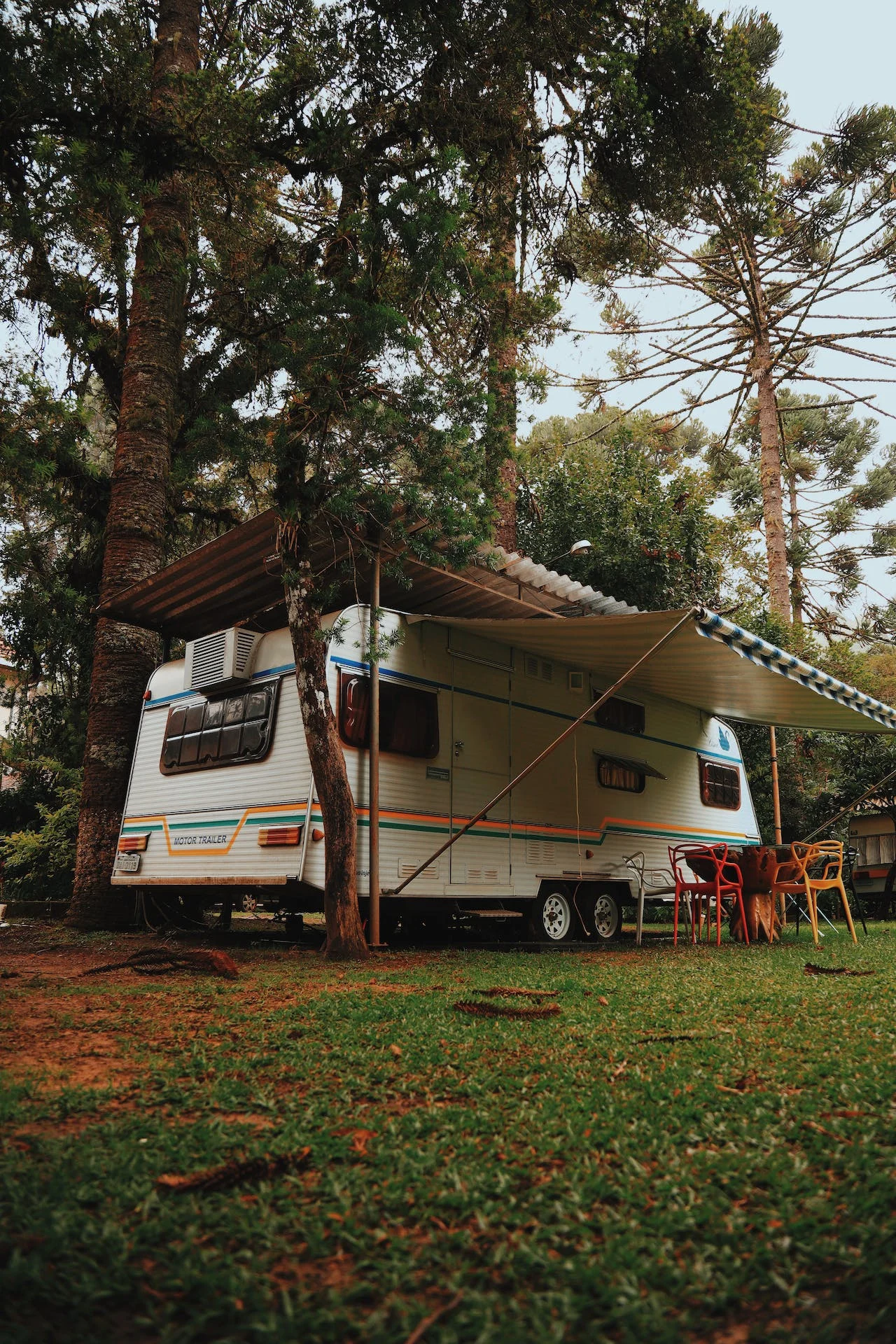
Short answer: sometimes, but ownership alone does not create a statewide right to occupy an RV full-time. The answer depends on the exact tract, whether city or other local rules apply, the proposed duration and use, recorded restrictions, legal access, floodplain requirements, water, wastewater approval, utilities, and any structures or rentals involved.
Official-source review date: August 2026. This page gives the high-level Texas ownership and rules framework. For the detailed parcel investigation sequence, use our separate Texas RV land due-diligence checklist.
Why there is no dependable “counties that allow RV living” list
A Texas county can contain cities, unincorporated areas, special districts, subdivisions, floodplains, and properties governed by private covenants. Authority and restrictions can change across a municipal boundary, special district, or recorded subdivision. Treat a county as a search area—not as permission for full-time RV occupancy.
Define the proposal before asking for an answer: one RV or several, temporary or full-time, private use or rental, vacant land or an existing residence, utility hookups, covers or decks, and expected length of stay. Different facts can produce different requirements on the same tract.
Who can control RV occupancy on a Texas tract?
- City or other public authority: planning, development, building, fire, floodplain, driveway, subdivision, environmental-health, or special-district rules may apply depending on location and authority.
- County and local programs: unincorporated does not mean unregulated. Counties may administer floodplain, subdivision, fire, access, and on-site wastewater requirements within their authority.
- Private documents: deed restrictions, plats, easements, and association covenants may limit RV use even when a public office does not prohibit it.
Ask the relevant office whether the exact proposal is allowed and request the controlling ordinance, order, rule, or application. Also review the recorded documents; a verbal answer from one office does not clear private restrictions or another agency’s requirements.
Water and wastewater are separate gates
Identify the water provider, water-supply corporation, municipal system, or groundwater option for the tract. The Texas Water Development Board Groundwater Database provides records and regional context, but TWDB warns that users must evaluate accuracy and suitability; nearby wells do not guarantee a new well’s depth, yield, location, or quality.
If sewer is unavailable, locate the on-site sewage facility authority. TCEQ says an OSSF generally requires a permit and approved plan and directs applicants to the local permitting authority. Its current permit guidance calls for a preconstruction site evaluation and notes that local programs can be more stringent than state minimums. Verify the RV flow, number of connections, setbacks, soil and site conditions, usable disposal area, system type, and maintenance.
Access and flood conditions can change the answer
Confirm both recorded legal access and practical travel. Review title, deed, plat, and easements, then inspect road width, surface, drainage, maintenance, gates, bridges, and emergency access. If a new or revised driveway enters a state highway, TxDOT requires a fully executed driveway permit before work begins in the state right of way. Other roads can have different authorities.
Use FEMA’s official flood maps to screen the tract and its access route, then consult local floodplain staff. FEMA states there is no “no-risk zone.” Ask whether an RV, pad, utility equipment, wastewater system, or access improvement requires floodplain review.
Compare locations by verified fit, not a permission ranking
- Rules: governing jurisdictions, occupancy duration, primary-dwelling requirements, rentals, number of RVs, and structures.
- Documents: deed restrictions, plat, easements, association rules, survey, and title exceptions.
- Services: legal and physical access, water, wastewater, electric capacity, internet, trash, and emergency response.
- Risk and cost: flood, drainage, wildfire, weather, insurance, improvements, maintenance, taxes, and contingency.
Texas has no state property tax; the Texas Comptroller explains that local taxing units set property-tax rates. Review the tract’s actual appraisal, tax bills, special districts, dues, road costs, and utility estimates rather than using a countywide affordability label.
The best Texas RV location is the individual tract whose verified rules, documents, access, infrastructure, risks, and total cost fit the defined use. A county name cannot supply that conclusion.