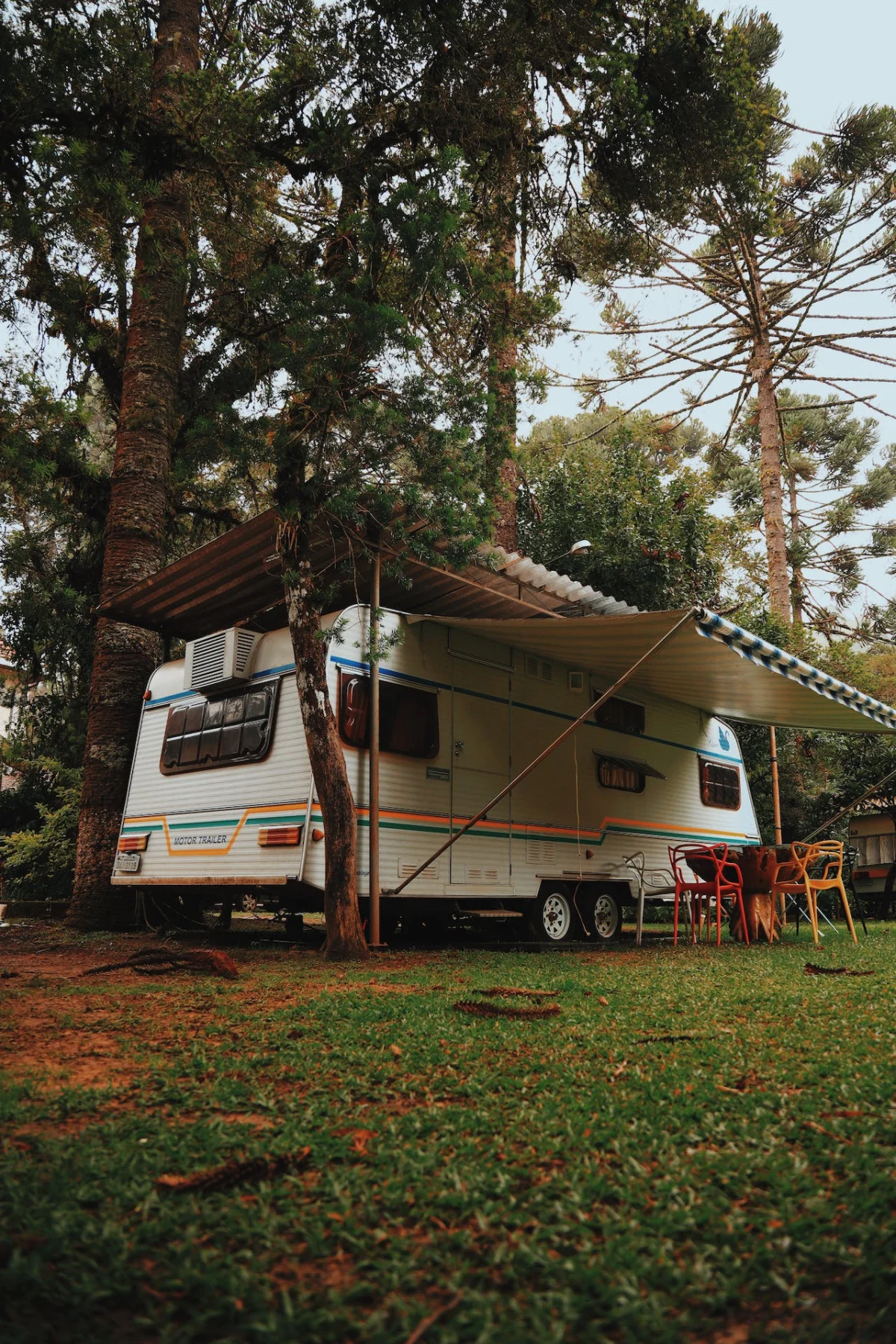
Moving to rural Washington can mean more space and closer access to forests, mountains, farms, rivers, or small communities—but it also can mean longer trips, fewer service choices, winter travel constraints, and parcel-specific wildfire or insurance concerns. Before choosing an area, test how daily life works from the exact address, not just how the property looks on a map.
This page is a moving-and-living guide. For the technical purchase sequence—title, survey, zoning, water, septic, utilities, and closing—use our separate Washington State land-buying guide.

Start with a one-week daily-life test
Build a route list from the exact property: groceries, pharmacy, primary and urgent care, hospital, school or child care if relevant, work, fuel, hardware, waste disposal, post office, and the people or activities that matter to you. Drive important routes at realistic times and in ordinary weather when possible. Check whether a ferry, pass, unpaved private road, seasonal gate, or long detour creates a single point of failure.
Ask the county or road owner who maintains the final approach, what winter service is provided, and whether bridges, grades, turnarounds, gates, or road width constrain deliveries and emergency vehicles. A mapped road does not prove public maintenance, legal access, or year-round travel.
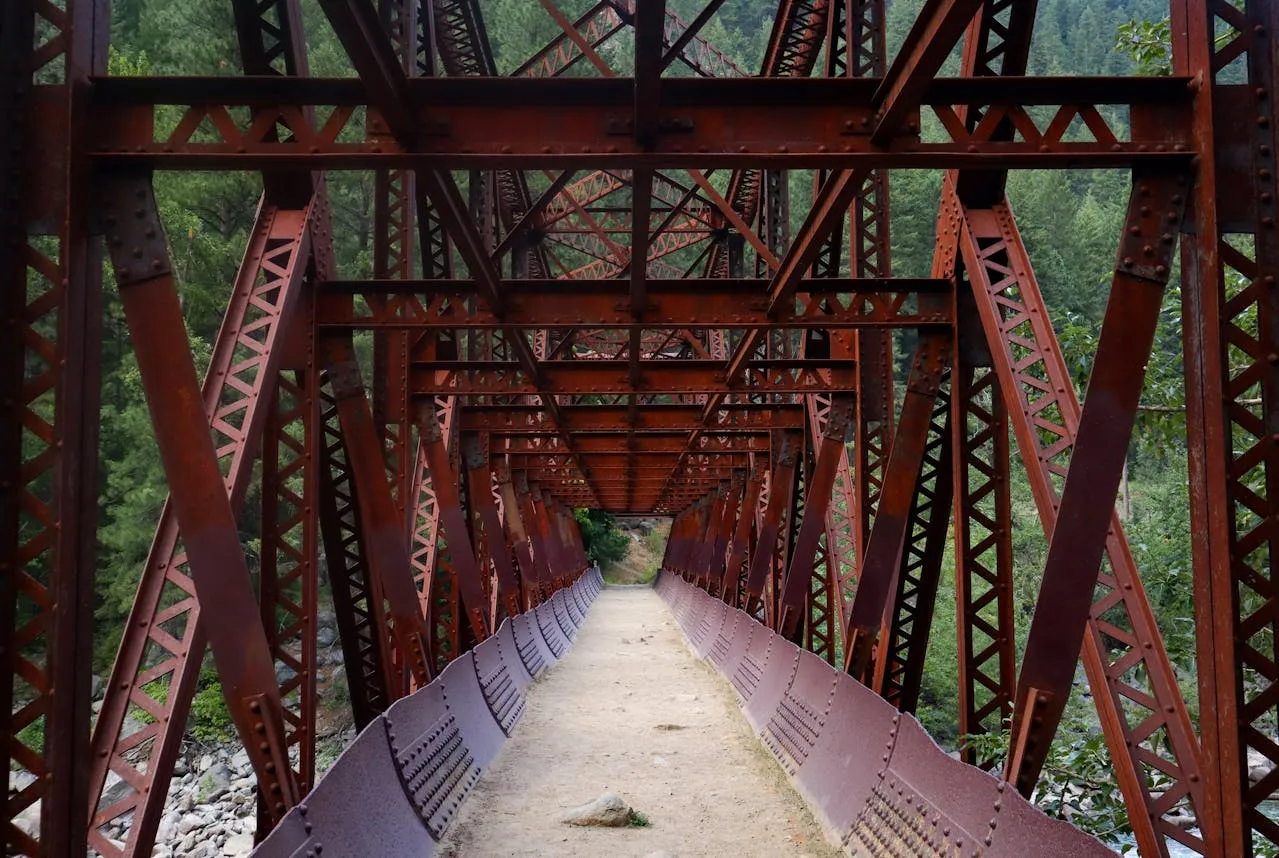
Health care, EMS and emergency access
Washington’s Department of Health supports rural EMS systems and identifies workforce, finance, operations, and sustainability as important rural-service issues. That statewide program is not a response-time promise for any address. Call the serving fire district or EMS agency and ask which station responds, whether the road and address are acceptable, and what residents should expect during snow, wildfire, washouts, or extended outages.
For health care, identify the nearest clinic, pharmacy, emergency department, and the facilities that provide any recurring specialty care. The Department of Health’s rural health page lists 39 Critical Access Hospitals in Washington and links to a map, but a nearby hospital may not provide every service. Confirm current services, hours, travel time, and transfer plans directly.
Internet, mobile coverage and remote work
Check broadband by exact service address. The Washington State Broadband Office explains how to review the FCC National Broadband Map and challenge inaccurate availability. Treat the map as a screening tool, then ask each provider for a written serviceability result, installation cost, speed tier, data limits, equipment, and timeline.
Test cellular voice and data on the parcel, inside the likely home location, and along the commute using the devices and carriers your household will use. If work, school, telehealth, or security depends on connectivity, price a realistic backup before moving.
Winter roads and transportation
Winter conditions differ sharply by elevation and route. WSDOT advises mountain-pass travelers to prepare for storms and occasional closures, check current traction and chain requirements, and use its real-time travel tools. Before buying, also ask the county, private-road association, or easement parties about plowing priority, turnaround space, sanding, culvert upkeep, fallen trees, and who pays.
Test whether your vehicles, delivery services, school transportation, and emergency responders can use the final road. Do not assume that state-highway maintenance describes a county road or a privately maintained lane.
Wildfire, evacuation and insurance
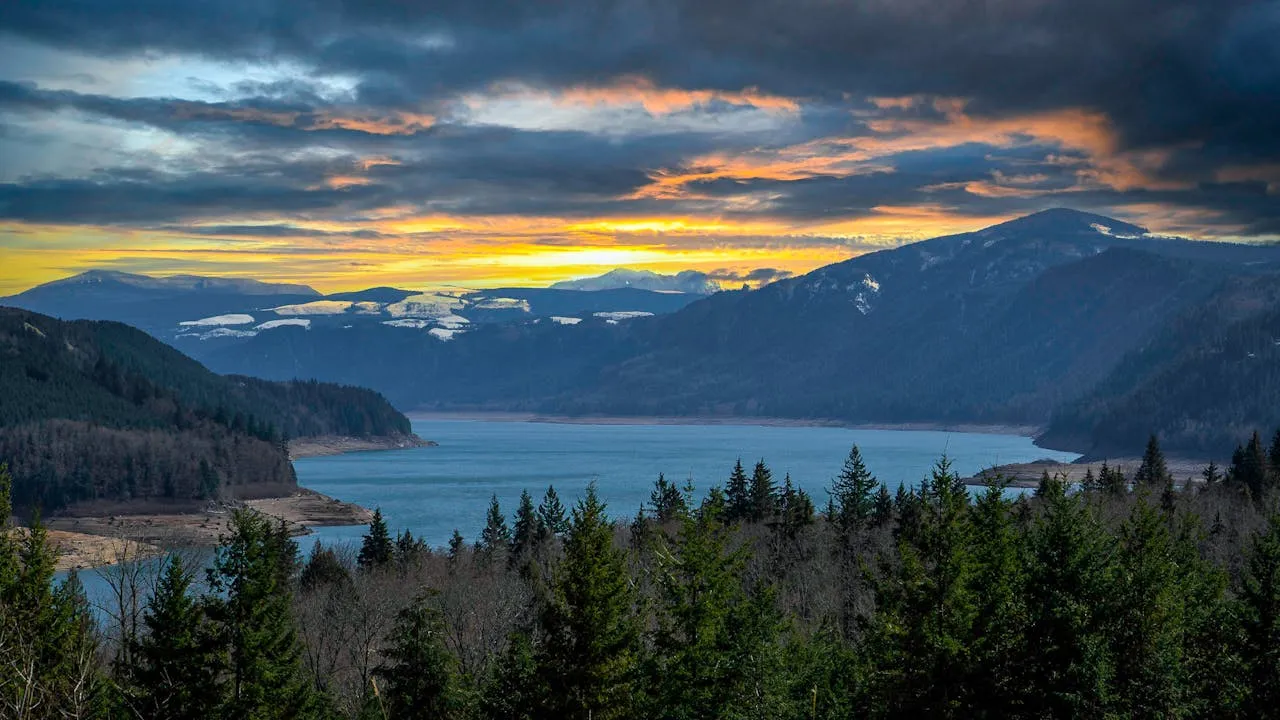
Wildfire is not only an eastern-Washington question. Review the parcel, structures, vegetation, access, water supply, evacuation routes, and local fire-district guidance. Washington DNR recommends defensible space, fire-resistant landscaping, knowledge of burning rules, and a plan for when it is time to leave. Those steps reduce risk but do not guarantee that a structure will survive or that coverage will be available.
Obtain insurance quotes during due diligence, using the actual address and intended structures. Washington’s Office of the Insurance Commissioner says increasing wildfire risk in rural areas is affecting the cost and availability of home insurance. Ask what is covered, excluded, required for underwriting, subject to a separate deductible, or dependent on vegetation management or home hardening.
Schools, community and recurring errands
If schools matter, confirm the assigned district and transportation directly; county and mailing boundaries do not necessarily answer enrollment. The Washington State Report Card provides school and district information on enrollment, performance, teachers, and finance, but a dashboard cannot replace a visit or current district confirmation.
Spend time in the target community beyond a weekend visit. Check library and recreation access, community organizations, local businesses, tradespeople, contractors, animal services, child or elder care, and the availability of deliveries. Ask what requires a trip to a regional center and how often that trip is realistic in winter or during wildfire season.
Outdoor access without assumptions
Nearby public land can be a benefit, but it does not establish a legal route from a private parcel or permission for a particular activity. Compare the survey and title documents with current agency ownership maps, then verify lawful entry points, seasons, permits, closures, fire restrictions, and activity rules with the managing agency.
Water shown nearby does not establish shoreline access, water rights, fishing access, or a usable household water source. Keep recreation screening separate from parcel access and development review.
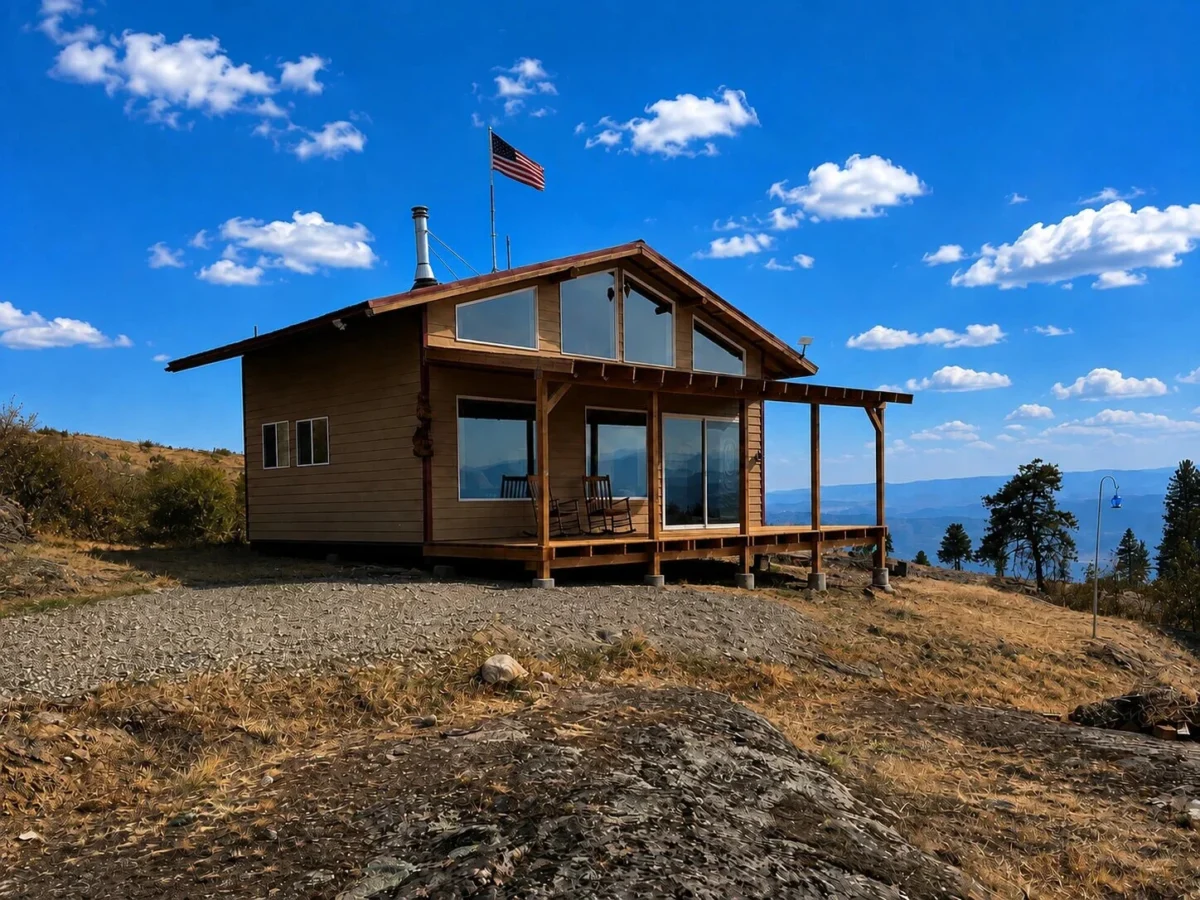
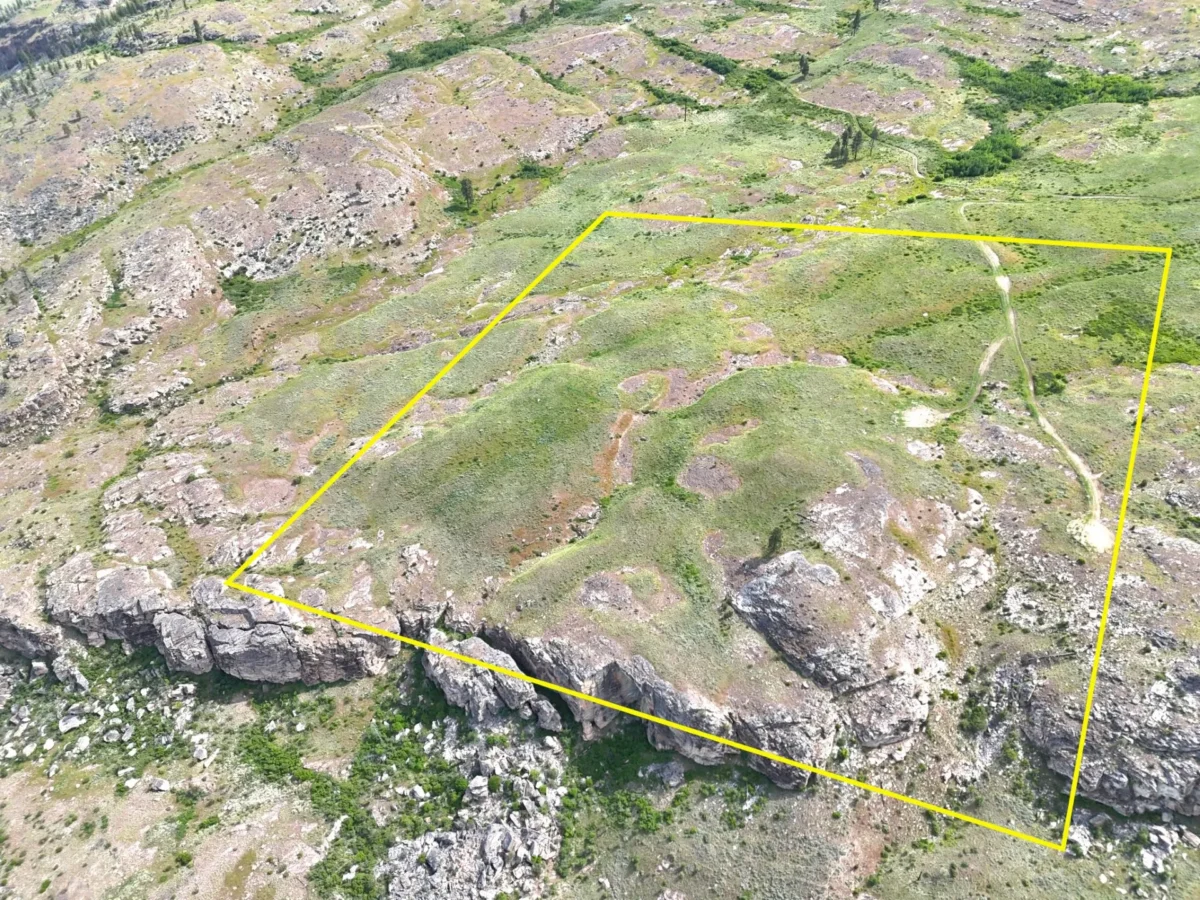
Before committing to a rural move
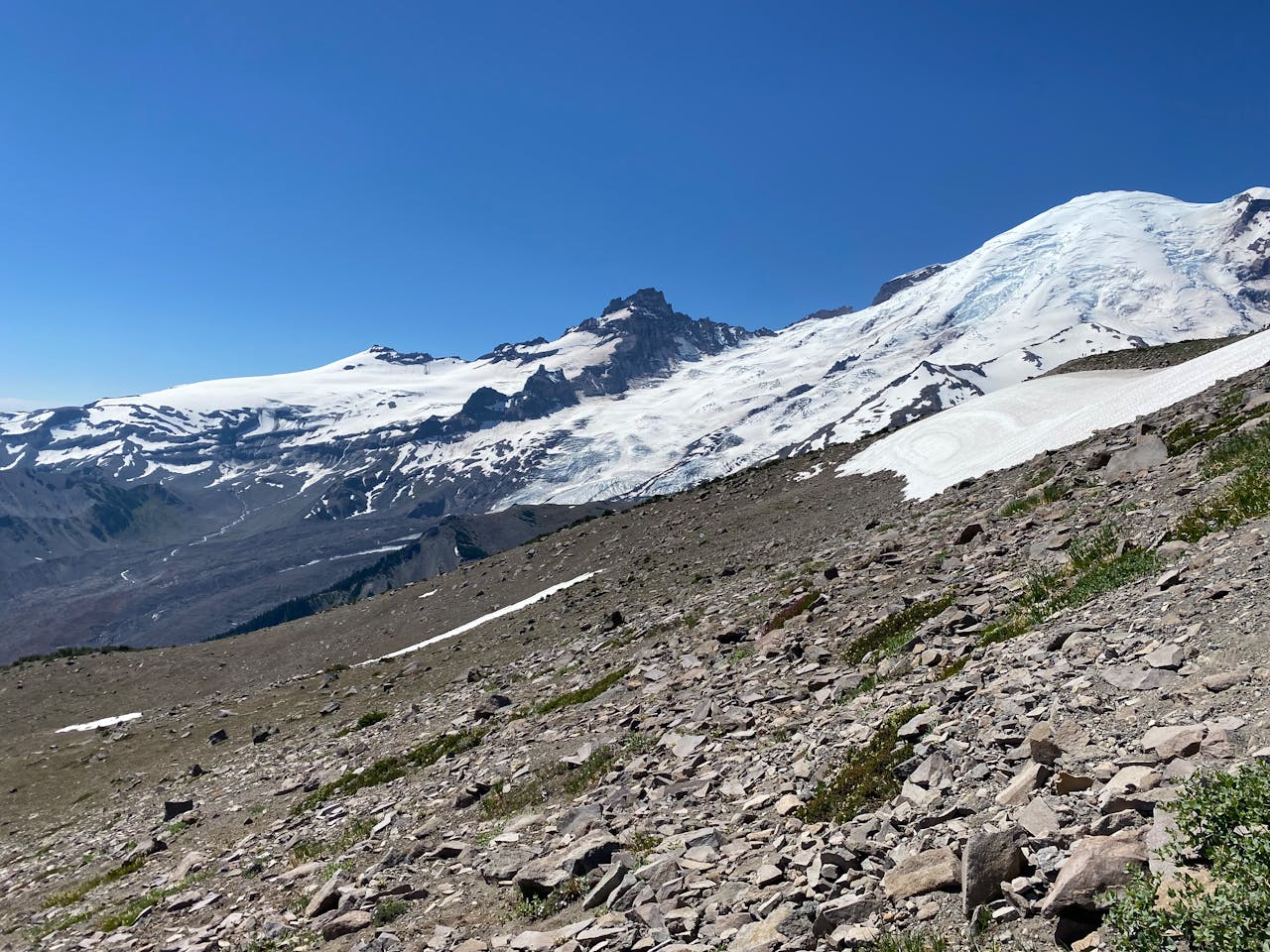
- Visit the exact property and drive essential routes when authorized.
- Confirm the serving fire district, EMS agency, health facilities, school district, utilities, road owner, and maintenance obligations.
- Verify address-level broadband and mobile coverage; budget a backup if connectivity is essential.
- Check winter access, evacuation options, wildfire preparedness, and insurance availability before closing.
- Use the separate Washington land-buying guide for title, survey, zoning, water, wastewater, utilities, and buildability.
Rural Washington is not one lifestyle or service level. The defensible choice is the location whose verified travel, services, community, hazards, connectivity, and ongoing costs fit your household.
Official resources
- Washington Department of Health: Rural Emergency Medical Services
- Washington Department of Health: Rural Health Systems and Critical Access Hospitals
- Washington State Broadband Office: FCC broadband mapping and challenges
- WSDOT: winter travel preparation and road-condition tools
- Washington DNR: defensible space and wildfire preparation
- Washington Office of the Insurance Commissioner: wildfire risk and insurance
- OSPI: Washington State Report Card