Buying rural land in Washington begins with the exact parcel and jurisdiction: verify use rules, access, water, wastewater, utilities, hazards, forest or farm restrictions, title, survey, and total improvement costs before relying on a listing description.
Washington State land can support many different goals, but a beautiful view is not a substitute for parcel-level due diligence. Climate, water availability, soils, wildfire exposure, road conditions, zoning, and development rules vary widely from the coast to the Columbia Basin and northeast Washington. Treat every advertised use—homebuilding, recreation, small agriculture, forestry, or hunting—as a question to verify rather than a feature that transfers automatically with ownership. For service access and daily-life considerations, see our rural Washington moving guide.
Start with the parcel and the local jurisdiction
Identify the parcel number, legal description, county, and whether the land is inside a city. Ask the applicable planning office for the current zoning designation, comprehensive-plan designation, allowed uses, setbacks, density, and any permit path for the intended project. Washington counties and cities administer many land-use decisions. The Washington Department of Ecology advises applicants to contact the applicable city or county for zoning and comprehensive-plan information and to identify shoreline and critical-area designations. Critical areas can include wetlands, streams, aquifer recharge areas, frequently flooded areas, geologic hazards, and fish and wildlife habitat conservation areas. Review the official code and map, then request written staff guidance for the exact proposal.
Local review can be broader than structural building review. For example, Okanogan County Planning explains that its site analysis considers setbacks, parking, wetlands, steep slopes, riparian areas, wildlife areas, and airport proximity, while the Building Department reviews structural issues. That example illustrates a statewide principle: zoning approval, building approval, water, septic, road access, and environmental review are separate questions. Rules differ by jurisdiction. Buyers comparing current inventory can review land for sale in Okanogan County, then apply these same parcel-level checks before making an offer.
Verify legal and physical access
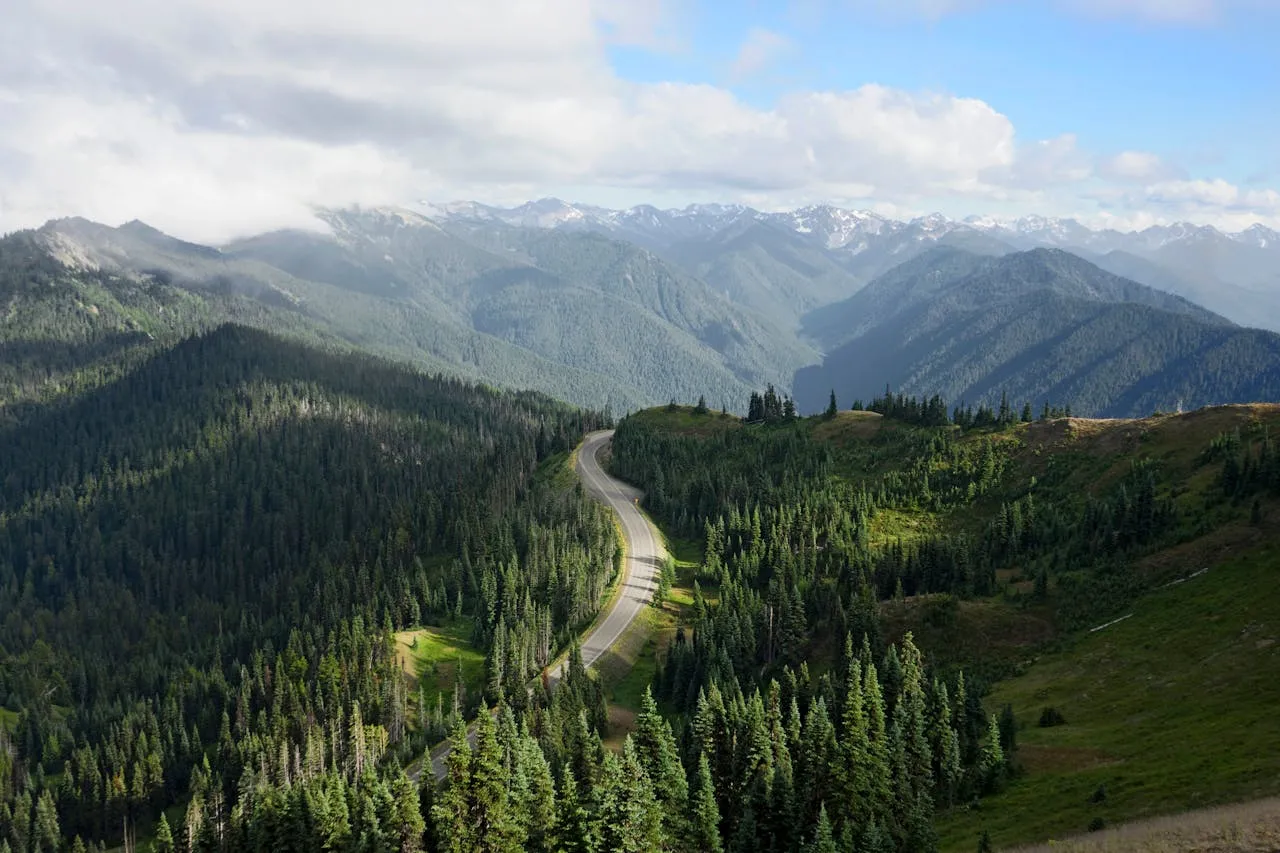
A map line touching a road does not prove a legal right to use it. Review a title commitment, recorded easements, plats, and a survey when boundaries or access are uncertain. Confirm whether the road is public or private, who maintains it, whether gates or seasonal closures apply, and whether emergency vehicles and construction equipment can reach the proposed site. Inspect the route in more than one season. Do not assume that owning land beside state or federal property grants entry through a locked gate or a right to cross neighboring private land.
Water and wastewater come before a building plan
Do not equate an old well log, a neighboring well, or a surface-water feature with an adequate legal supply. Ecology’s groundwater permit-exemption guidance describes limited categories of exempt use, but it also states that exempt use remains subject to water law and that local governments may impose additional requirements. Counties must determine whether water is physically and legally available for a building permit relying on a well. Verify the watershed rule, proposed use, well construction, water quality, and any mitigation fee or limitation with the county and Ecology.
Where sewer is unavailable, septic feasibility is site-specific. Soil depth, slope, groundwater, setbacks, reserve area, and proposed occupancy can affect design. The Washington Department of Health directs owners to their local health jurisdiction for septic information and professionals. A desktop soil map is only a screen; it is not approval for an on-site sewage system.
Forest, farm, and recreation claims need separate evidence
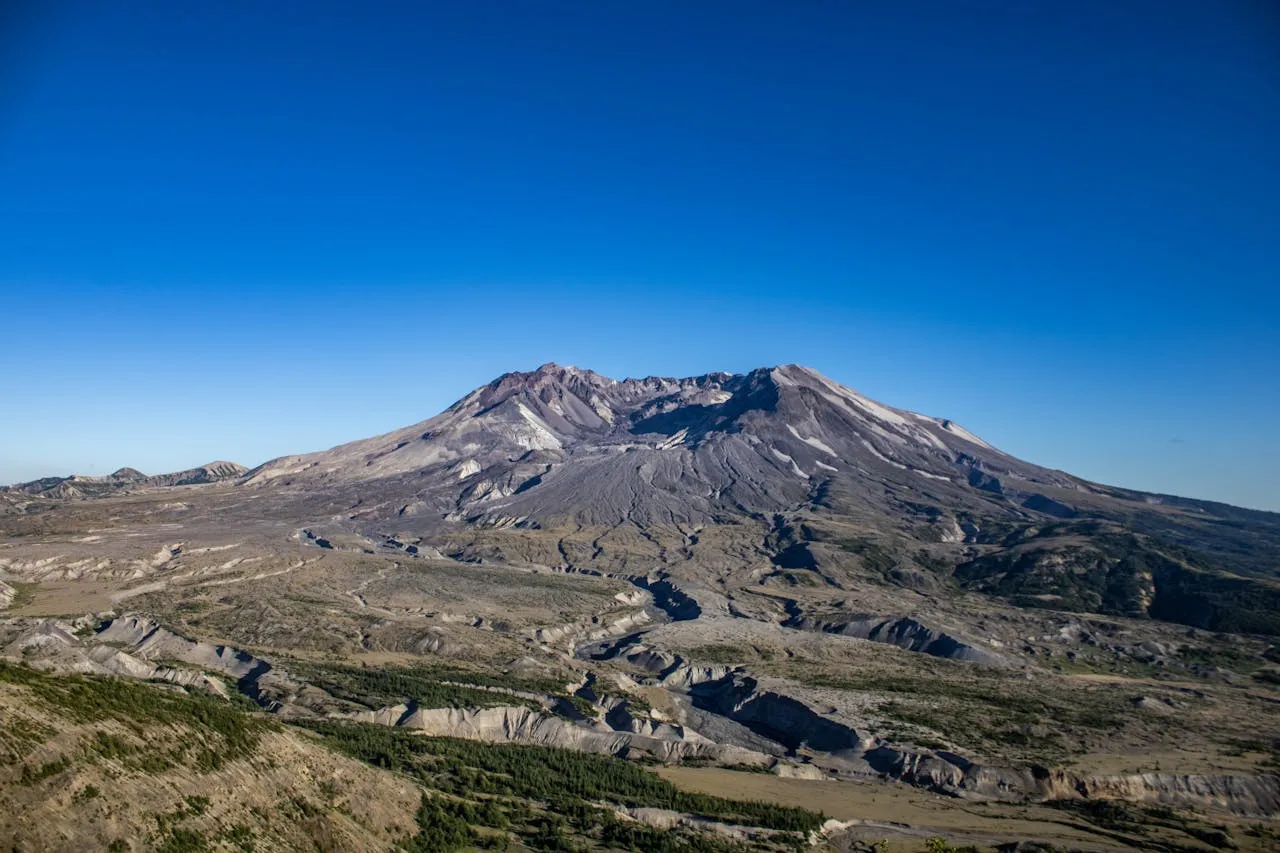
Tree cover does not establish merchantable timber volume or timber value. Hire a consulting forester for an inventory or timber cruise, confirm timber rights and taxes, and model harvest, road, reforestation, and professional costs. The Washington Department of Natural Resources regulates forest practices on private and state forest land. Activities such as timber harvest, forest-road construction, and certain work around typed water may require a Forest Practices Application/Notification. Sensitive slopes, species, cultural resources, and water-quality protections can affect approval. No timber income should be assumed before this work is complete.
Likewise, acreage alone does not establish productive pasture or cropland. Confirm soils, water rights, irrigation infrastructure, growing conditions, invasive plants, fencing, and the intended agricultural use with qualified local advisers. For recreation, verify fire restrictions, discharge rules, camping limits, and any covenants. Ownership does not create a hunting license, an open season, guaranteed game presence, or authorization to enter adjoining public or private land.
A practical Washington land checklist
- Match the parcel, legal description, survey, and title documents.
- Get current zoning and proposed-use guidance from the controlling city or county.
- Confirm legal access, road maintenance, utilities, and emergency access.
- Resolve water availability and septic feasibility before planning a dwelling.
- Screen floodplain, wetlands, shoreline jurisdiction, slopes, wildfire, and habitat constraints.
- Use a forester, agricultural adviser, engineer, surveyor, or attorney when the decision requires that expertise.
- Build a budget from written bids and approvals, not generalized income or appreciation claims.
Before making an offer, ask for enough time to review records and inspect the site with appropriate professionals. Compare the seller’s disclosures with county maps, title documents, a survey when needed, utility provider responses, and visible field conditions. Keep written estimates for road, power, water, wastewater, clearing, and permit work. If a critical answer remains unknown, price and plan for that uncertainty rather than treating a statewide generalization as parcel evidence.
Apply these checks while comparing current land listings.