Can you buy land and live in an RV in Texas? Sometimes—but permission is parcel-specific. Texas has no single statewide rule making every rural lot available for full-time RV occupancy. Before buying, verify the exact property’s jurisdiction, recorded restrictions, access, lot dimensions, wastewater plan, flood and drainage conditions, utilities, and required permits. For a shorter companion review, use the four-part RV lot checklist.
Start with the exact parcel and intended use
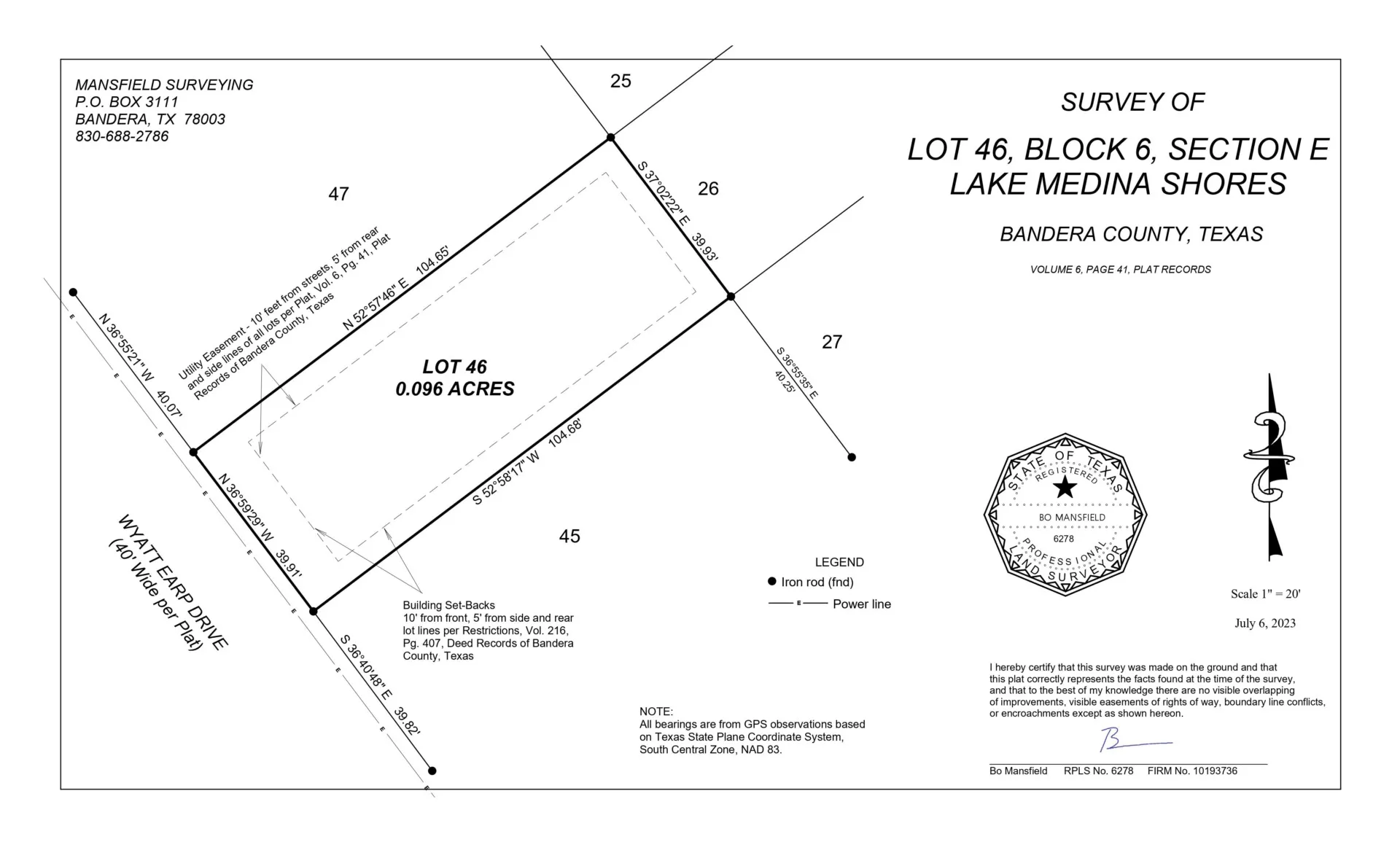
Write down what you want to do: occasional camping, seasonal occupancy, full-time living, RV storage, utility hookups, a deck or cover, a driveway, or a future home. Rules can treat those activities differently. Collect the legal description, parcel ID, survey or recorded plat, deed, title commitment, seller disclosures, and association documents. Confirm that the parcel shown in the listing matches the land you would acquire.
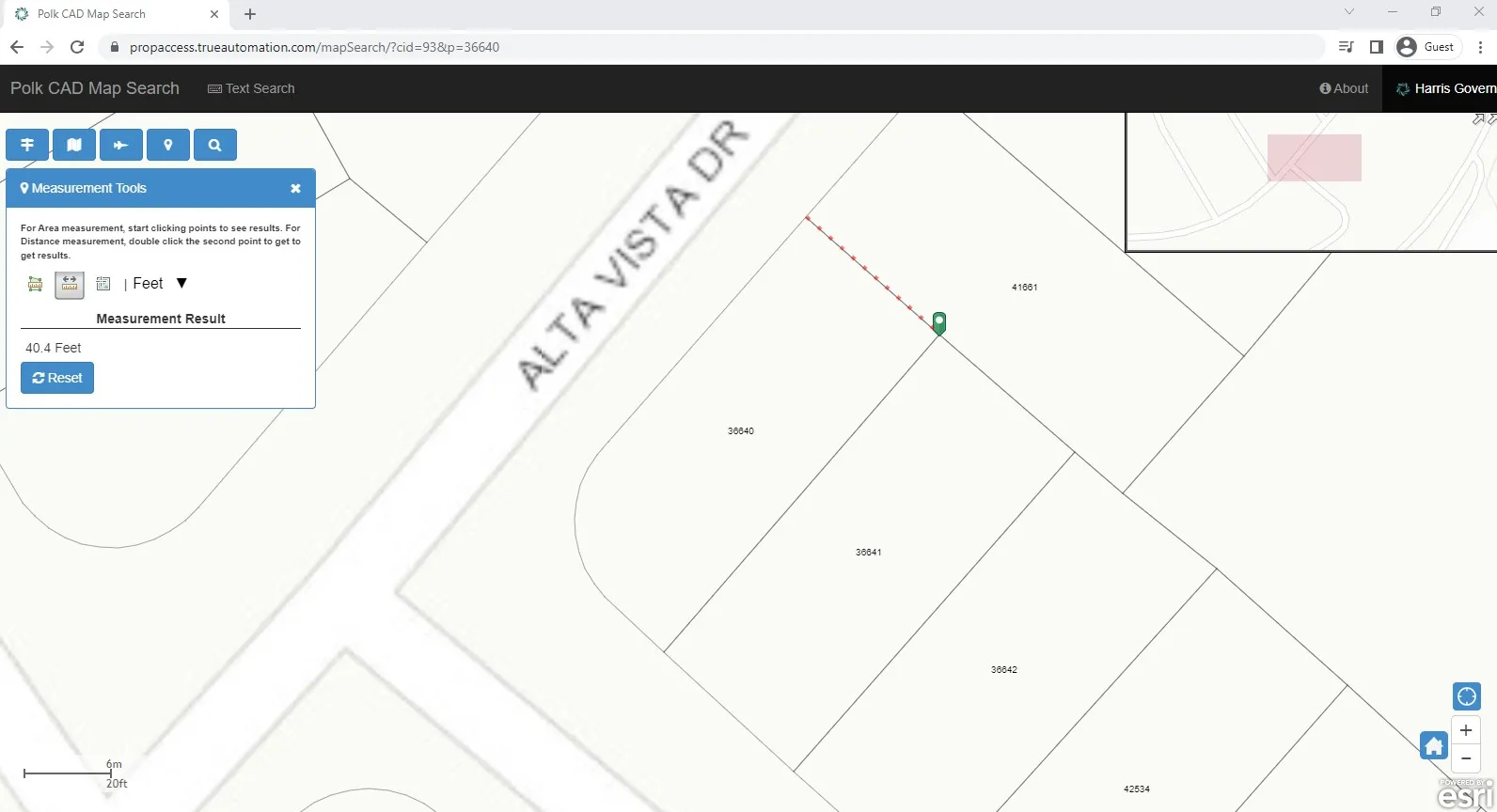
A county appraisal district map can help locate a parcel, but its lines and measurements are screening tools. They are not a legal boundary opinion. Use the recorded deed and plat, and hire a Texas-licensed surveyor when boundaries, corners, easements, encroachments, access, or usable dimensions matter.
Check jurisdiction, ordinances, and private restrictions
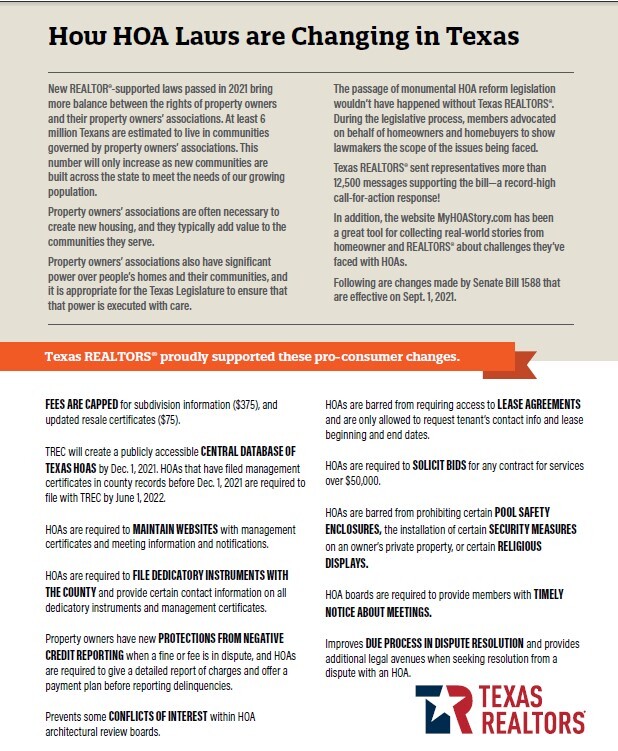
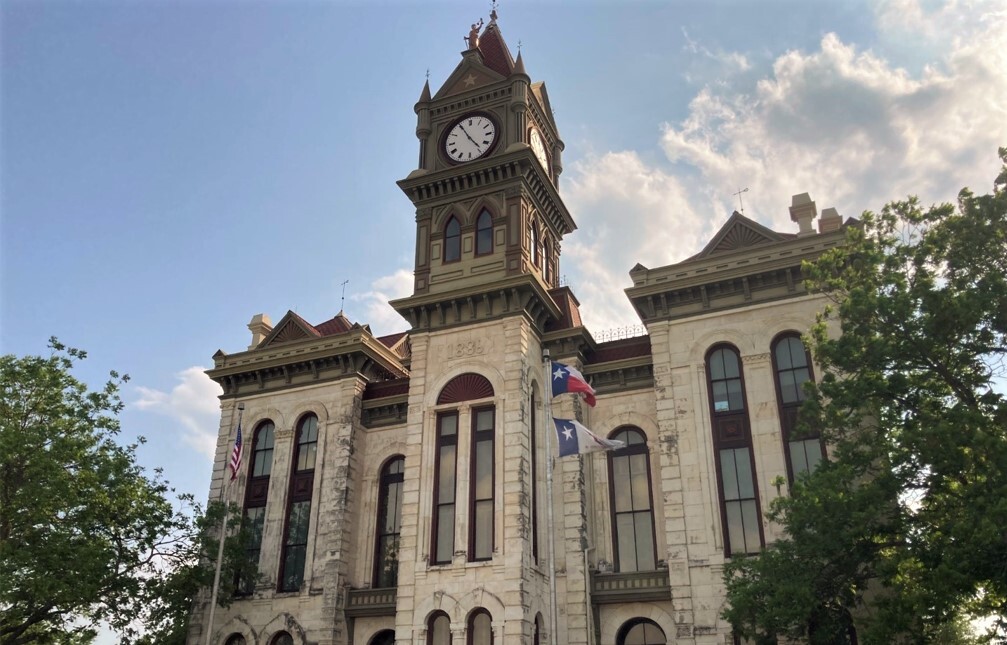
Do not rely on “Texas has no zoning” or “unrestricted.” Municipalities have zoning authority under Texas Local Government Code Chapter 211. Counties, special districts, floodplain offices, road authorities, and utility providers may administer other requirements. Separately, deed restrictions and property-owner association rules may limit RV placement, duration, occupancy, structures, setbacks, sanitation, or exterior work even where public zoning does not.
Ask the city or county office in writing whether the proposed use is allowed at the parcel address and which permits apply. Search county real-property records for restrictions and easements; obtain current association documents and account information when applicable. The Texas HOA management-certificate search can assist with identifying some associations, but absence from a search is not proof that no restrictions exist.
Confirm legal and physical access
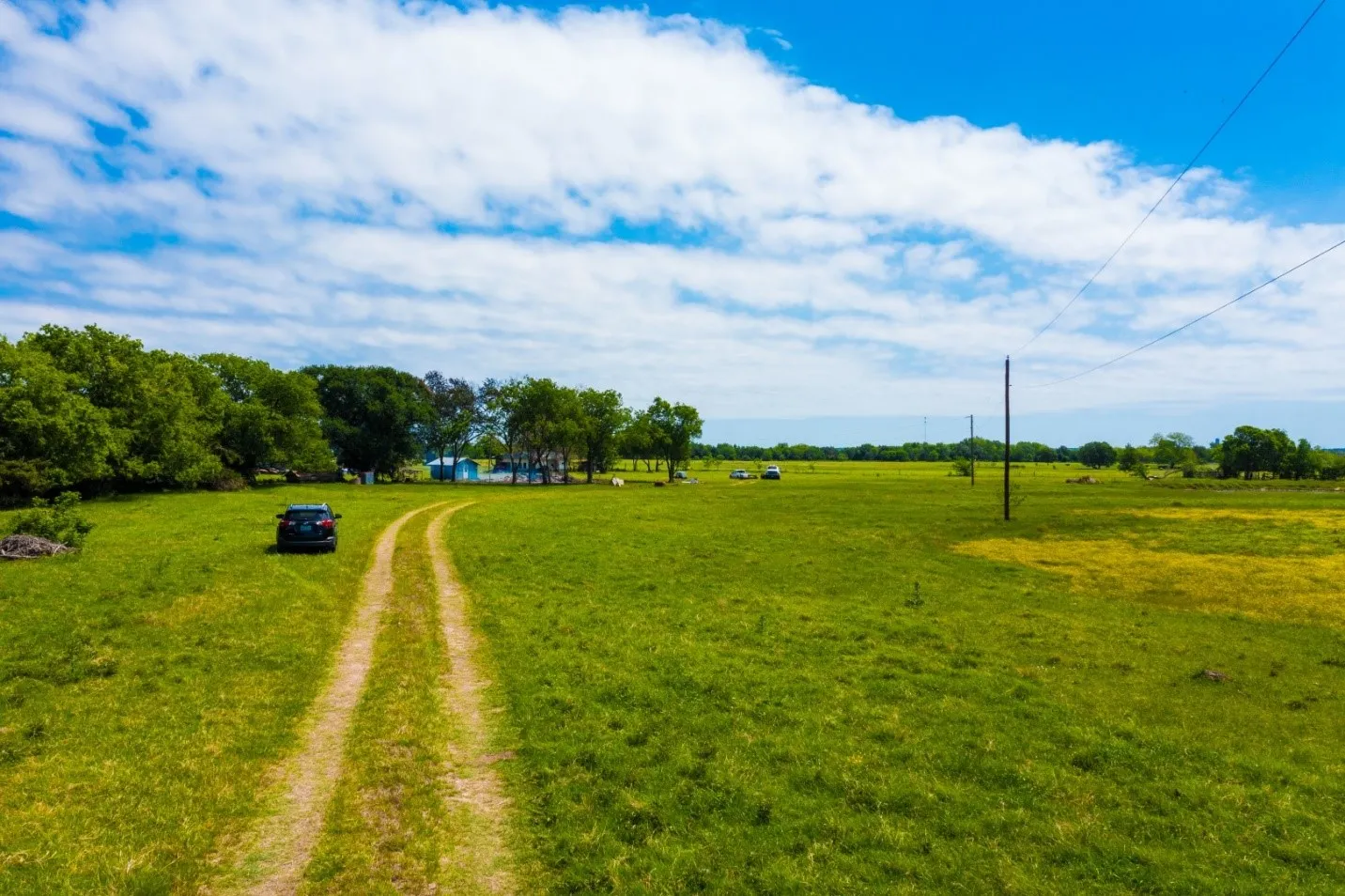
Verify that the deeded access reaches a public road and that the route is physically usable by your RV in all expected conditions. Measure road width, turns, overhead clearance, grade, culverts, drainage ditches, gates, and the swing space needed to enter and park. Ask the road authority whether a driveway or culvert permit is required. There is no universal minimum frontage or depth that makes every lot workable; RV size, topography, setbacks, easements, wastewater area, and emergency access all matter.
Plan wastewater before buying
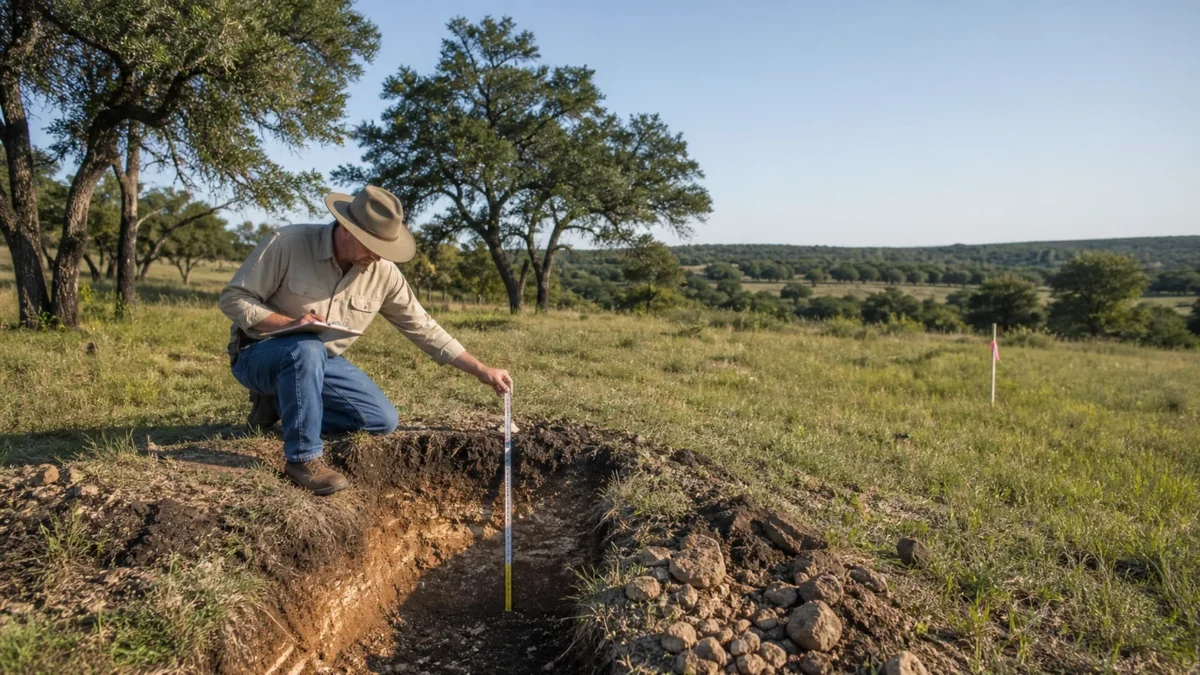
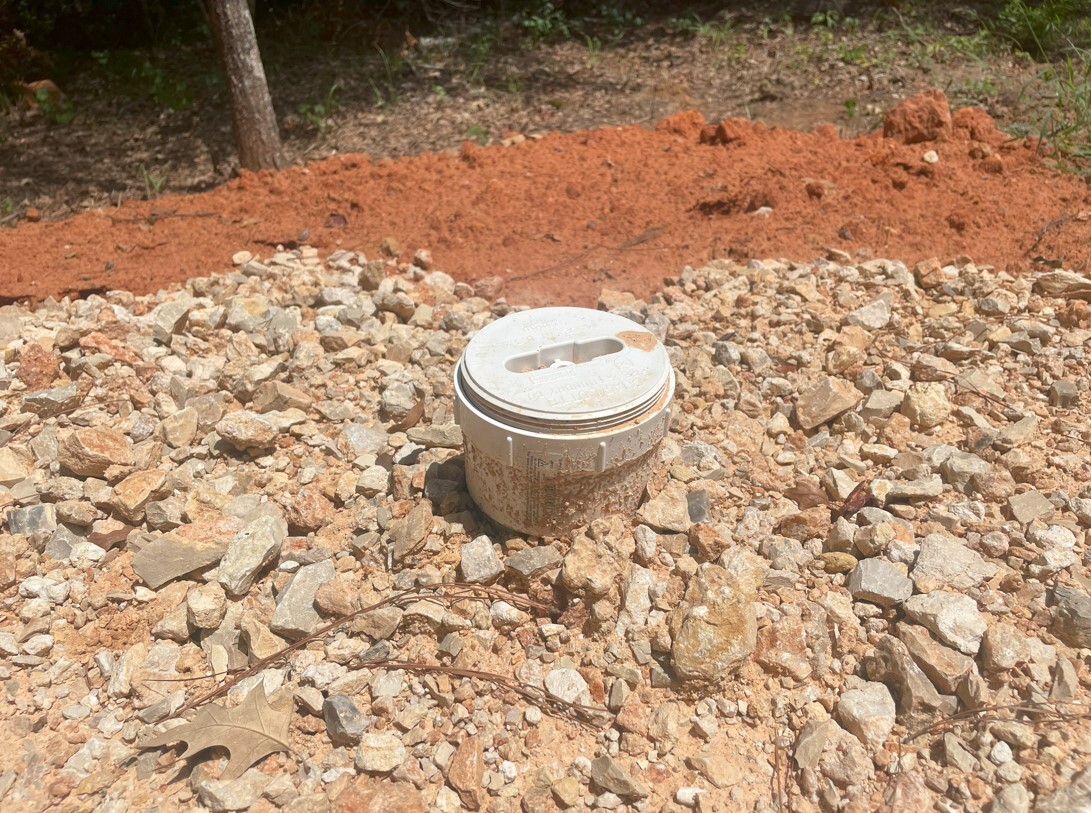
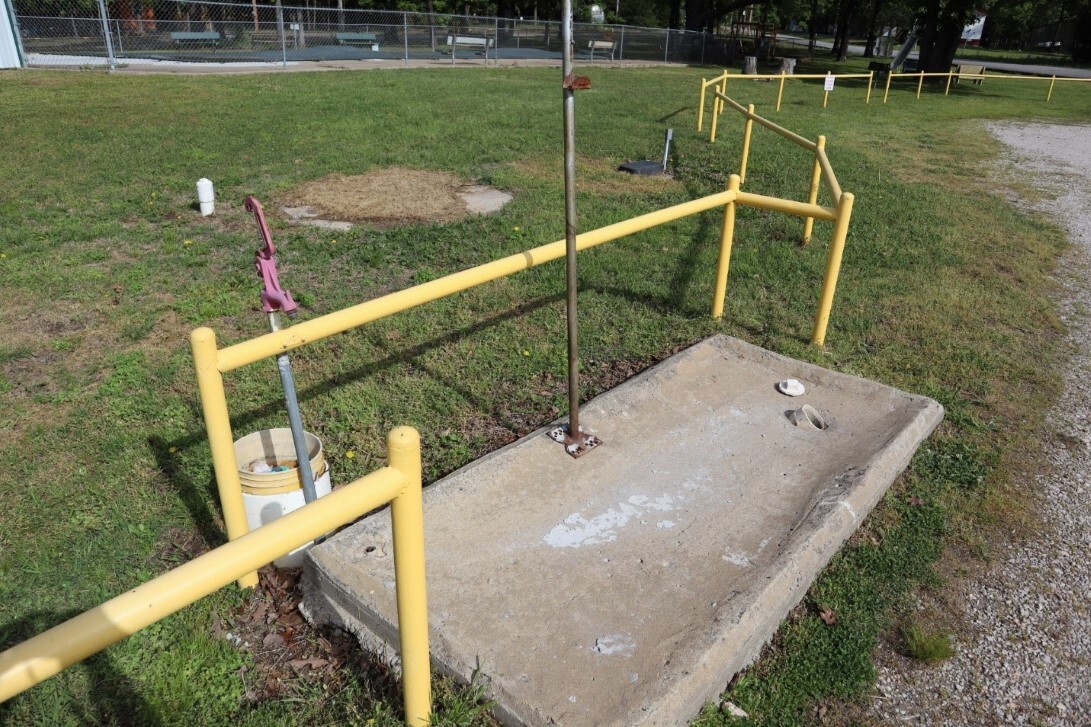
Never assume an RV can discharge to the ground or that a small lot will qualify for septic. If public sewer is claimed, get the utility’s written confirmation of service availability, tap location, fees, capacity, and connection requirements. For onsite wastewater, the Texas Commission on Environmental Quality says an OSSF permit is generally required and the site must be evaluated; many local authorized agents administer the process.
Give the permitting authority the parcel ID and proposed RV occupancy. Ask what soil or site work, design, setbacks, maintenance contracts, inspections, and reserve area are required. Do not select conventional, aerobic, holding-tank, or dump-station options from a generic cost estimate. The approved solution depends on site conditions and local rules.

Review flood, drainage, and environmental constraints
Search the address or coordinates in the FEMA Flood Map Service Center, note the effective map panel and zone, and compare it cautiously with the parcel survey. A low or minimal mapped hazard is not “no risk,” and a map does not show every drainage problem. Walk the land after rain if possible, look for channels and ponding, and ask the local floodplain administrator about permits, elevation requirements, map amendments, and available local studies.
Wetlands are a separate question from FEMA flood zones. Creeks, low ground, fill, culverts, or shoreline work can trigger additional review. Do not assume a wet area adds value, guarantees well conditions, or leaves a particular pad size buildable.
Verify utilities in writing
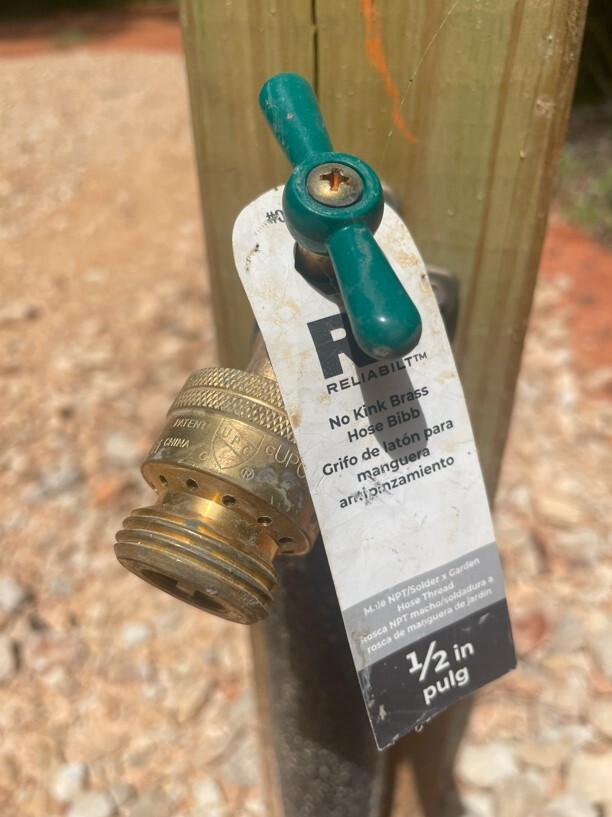
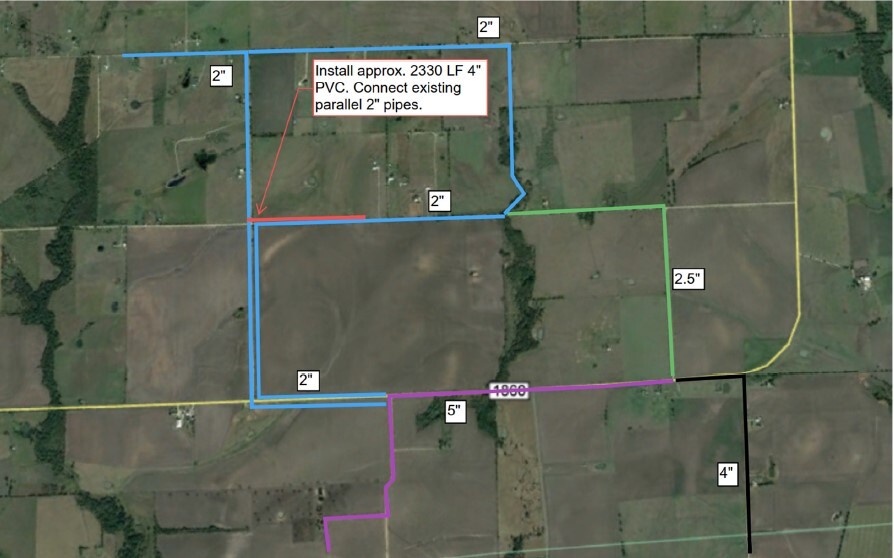
A nearby pole, pipe, meter, or neighboring connection does not prove service to the parcel. Contact each electric, water, sewer, gas, and communications provider with the exact location. Ask about service territory, capacity, easements, extension distance, meter and tap requirements, deposits, inspections, construction standards, schedule, and written estimate. For a private well, investigate groundwater availability, drilling rules, water quality testing, and setbacks without assuming depth or yield.
Do not install meters simply because costs might rise. Sequence utility work only after confirming land use, site layout, easements, wastewater design, and permit requirements so new lines do not conflict with the driveway, RV pad, drainage, or future structures.
Survey, address, permits, and safe digging
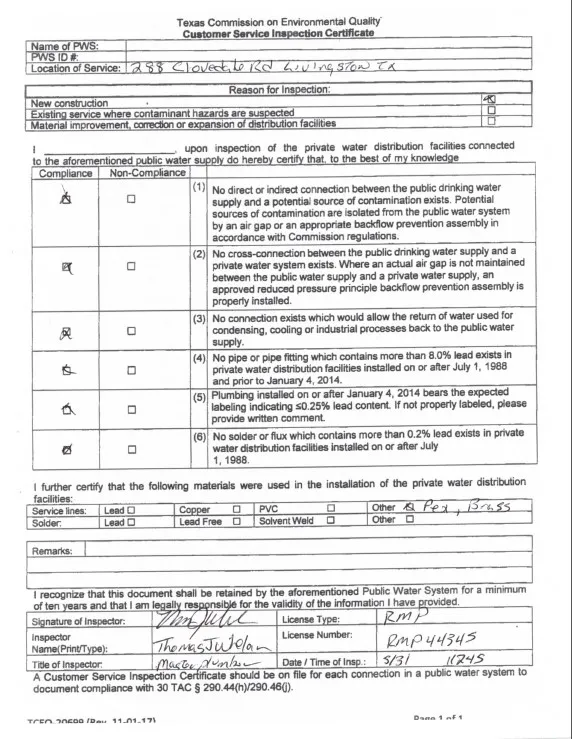
Before clearing or construction, have the needed boundary and elevation information, confirm setbacks, and obtain required development, driveway, culvert, floodplain, electrical, plumbing, or building approvals. Ask the county’s addressing authority about a 911 address; timing, documents, stake placement, and fees vary. An address does not itself authorize RV occupancy or development.
Contact Texas 811 before excavation and follow the ticket instructions. Utility locating does not identify every private line, septic component, or unrecorded feature, so discuss private locating and site safety with the contractors doing the work.
A practical pre-offer checklist
- Match the listing, deed, parcel ID, survey or plat, and on-the-ground location.
- Confirm legal access, physical RV access, restrictions, association status, and allowed occupancy.
- Get written wastewater and utility feasibility for the intended use.
- Review effective FEMA mapping, local drainage information, wetlands questions, and permit triggers.
- Estimate costs from parcel-specific written quotes, with contingencies, rather than statewide averages.
- Make the purchase contract appropriately dependent on the investigations that matter to your plan, with qualified legal or technical help where needed.
A Texas RV lot can fit a buyer’s plans, but only when the exact parcel works. Treat every listing statement as a lead to verify—not as permission, availability, cost, or buildability guaranteed.