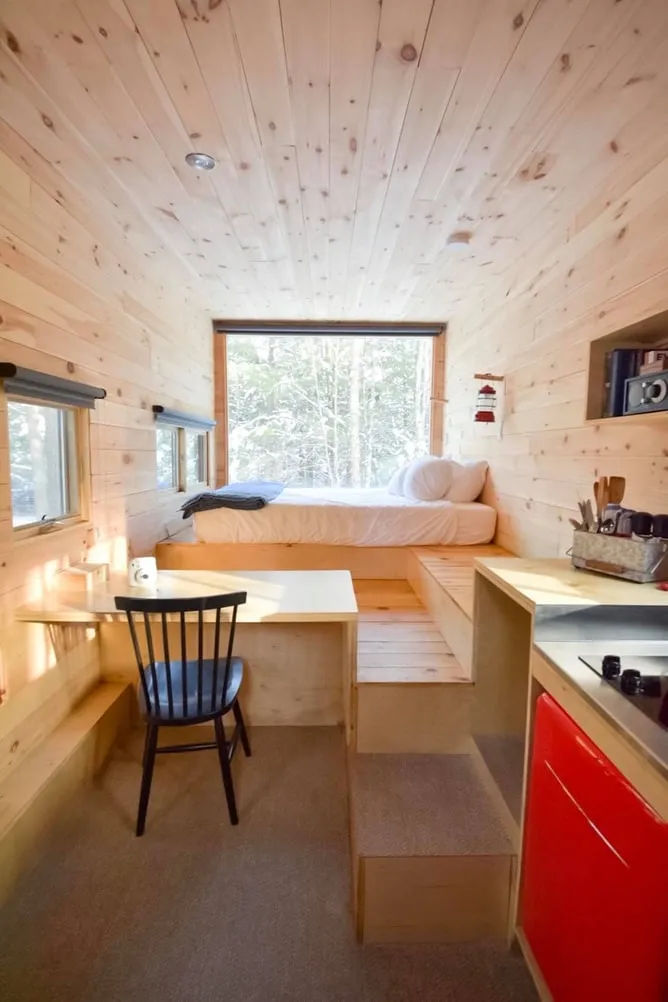
Five options worth comparing are a site-built home, a modular home, a manufactured home, a code-compliant tiny-house design, and an RV or park-model unit used only where its classification and occupancy are allowed. These are not interchangeable legal categories. “Tiny house” describes size and design, while “modular” and “manufactured” describe different construction and regulatory paths; an RV or park model is a separate recreational-use case, not automatically a permanent dwelling.
None is automatically allowed on vacant land. The workable path depends on parcel-specific zoning or other land-use controls, private restrictions, adopted codes, legal and physical access, utilities, wastewater, foundations or anchoring, hazards, permits, inspections, and occupancy rules. Confirm the exact unit and proposed use in writing with the authorities that govern the parcel.
Check the land before choosing the structure
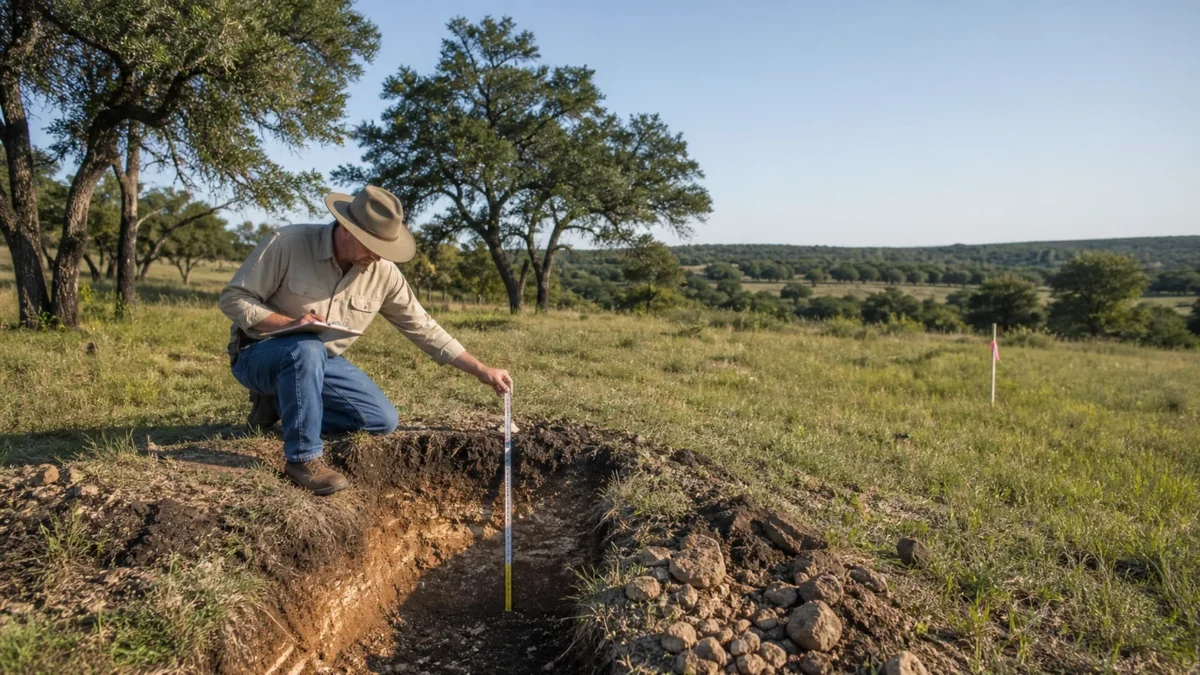
Begin with the legal parcel, not a catalog. Confirm ownership and boundaries, legal and physical access, setbacks, easements, minimum lot size, density, and deed or subdivision restrictions. Ask planning and building officials for the approval path for the intended unit and occupancy. If the parcel is outside a city, do not assume it is unrestricted; county rules, state law, special districts, utility requirements, and private covenants may still apply.
Water and wastewater can determine feasibility. The EPA’s septic-system guidance explains that state and local programs regulate onsite systems and commonly use site assessments. Our reviewed raw-land septic guide shows what to ask before treating acreage or a prior perc result as approval.
1. Site-built home
A site-built home is assembled at its permanent location under the adopted state or local building code and permit process. It can range from compact to large and custom; size is a project attribute, not a separate housing classification. Access for construction vehicles, grading, drainage, foundation design, utility connections, inspections, wildfire or flood requirements, and private design restrictions can affect the envelope and budget.
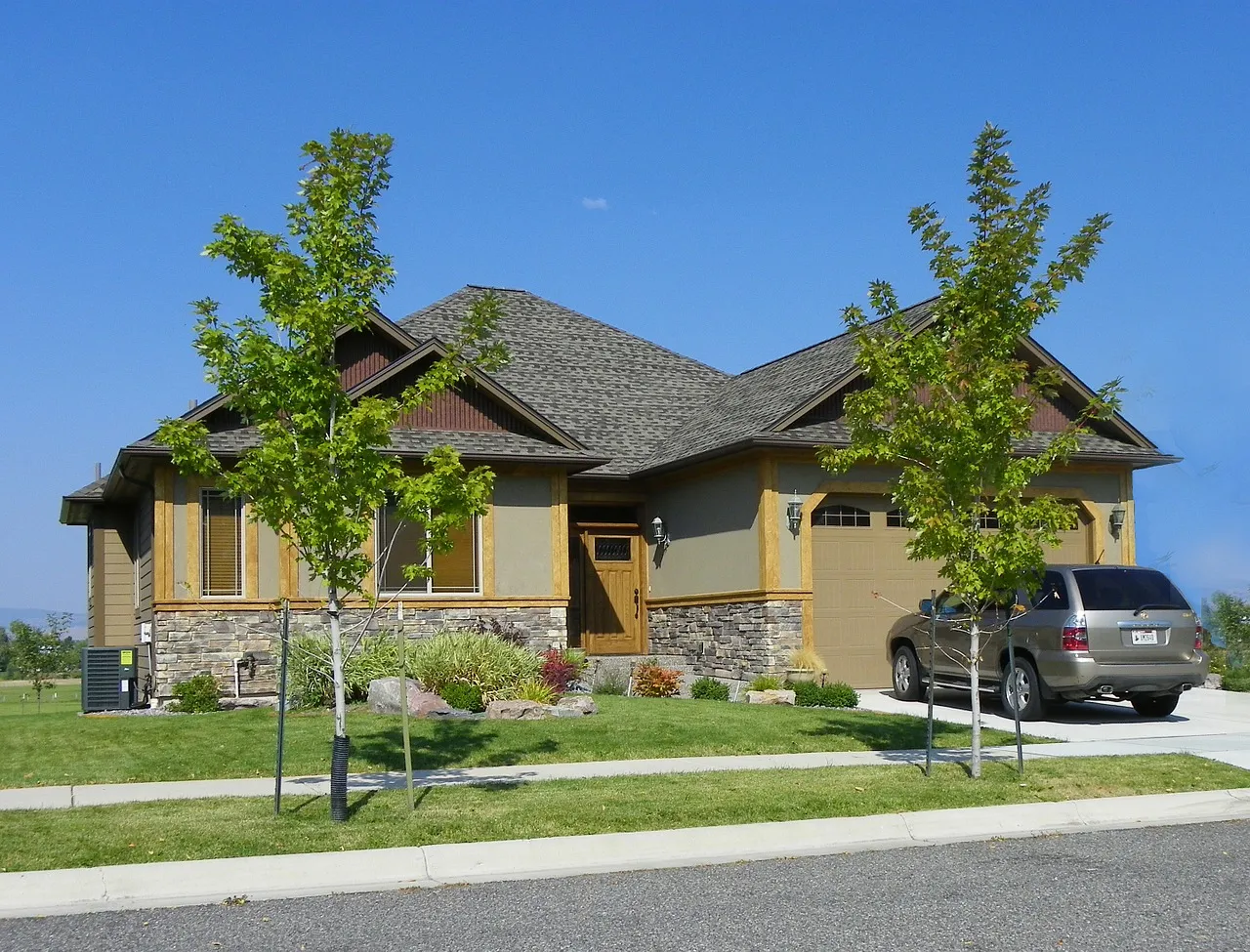
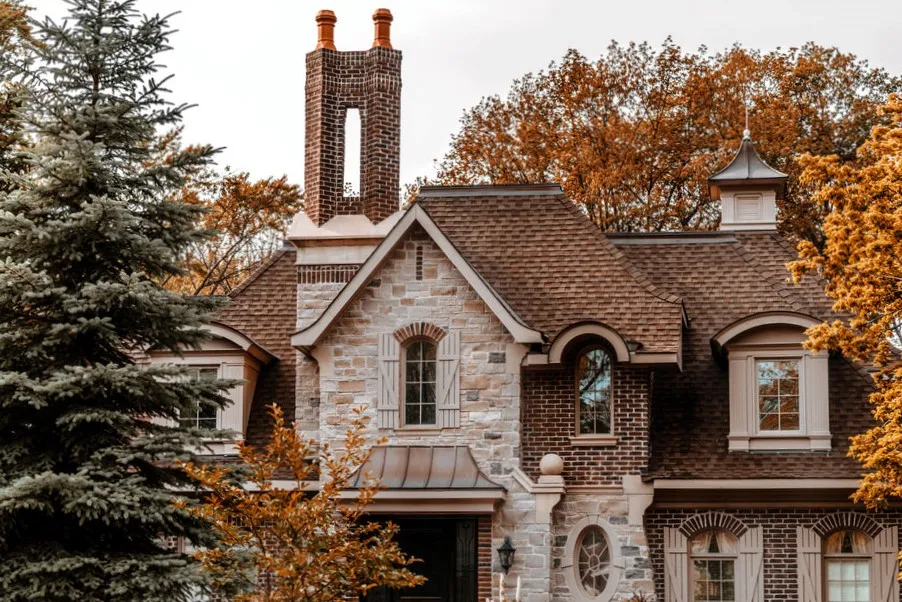
A large custom home remains a site-built option rather than a sixth regulatory category. Greater size can magnify engineering, fire access, water supply, wastewater, insurance, maintenance, and schedule requirements.
2. Modular home
A modular home follows the applicable state or local modular program; it is not a HUD-code manufactured home merely because it is assembled away from the final site. HUD’s modular-housing resources describe state-regulated modular programs and state labels in participating states. The governing state or local program, adopted building code, site foundation, assembly, inspections, zoning, and private restrictions still require project-specific confirmation.
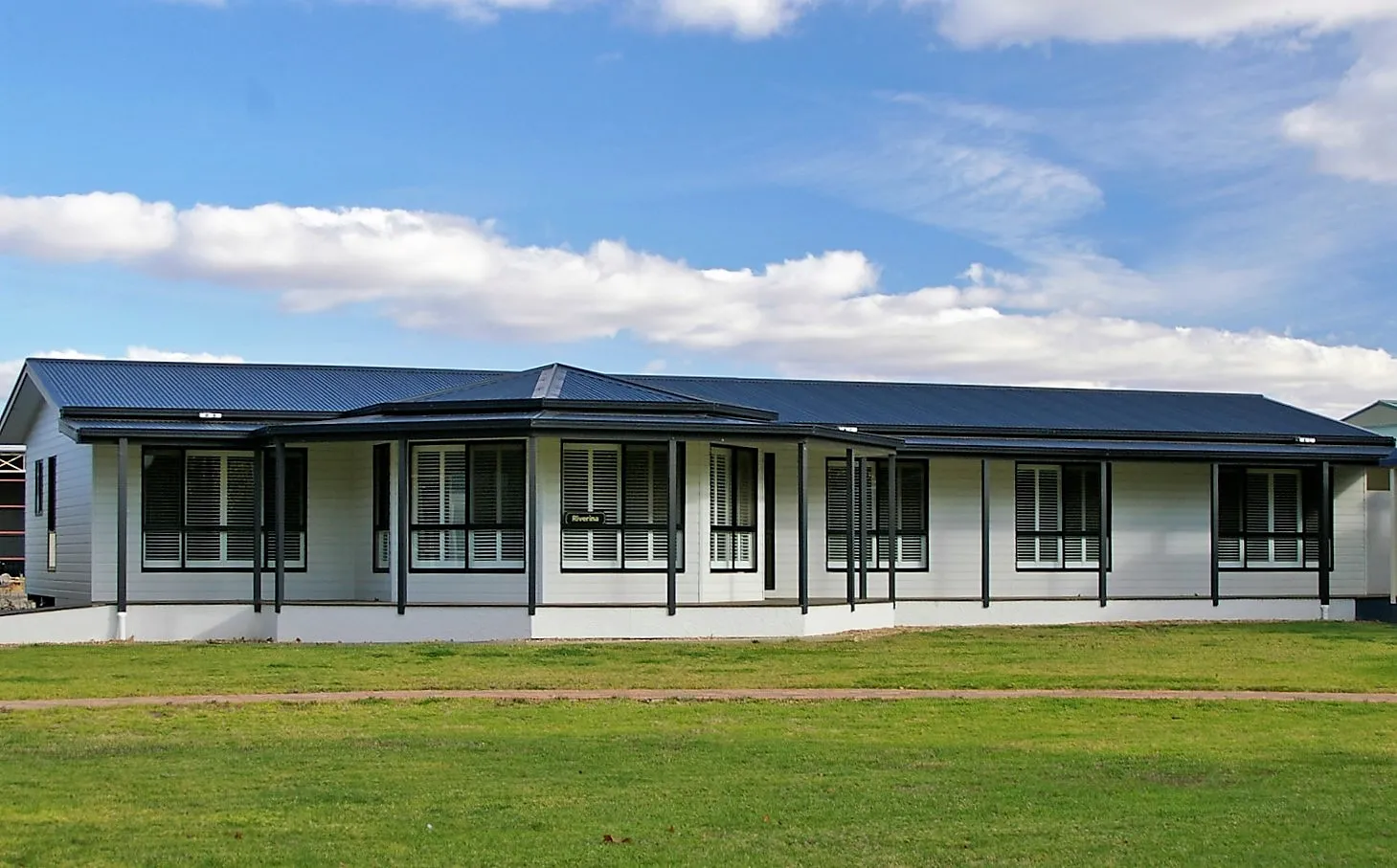
3. Manufactured home
A manufactured home is built to the federal construction and safety standards administered by HUD, transported on a permanent chassis, and identified by certification labels on transportable sections. The HUD manufactured-housing program covers federal construction oversight. State and local requirements can still govern installation, foundations, placement, utilities, permits, and occupancy, while private covenants may be more restrictive. Verify the home’s label, data plate, age, installation design, and the parcel’s placement rules.
4. Tiny-house design
“Tiny house” does not identify one nationwide construction class. The 2024 International Residential Code Appendix BB contains model-code provisions for tiny houses, but a model appendix applies only if and as adopted by the governing jurisdiction. A tiny unit may follow a site-built, modular, manufactured-home, or recreational-vehicle path depending on how it is constructed and certified. Ask officials to classify the exact plans or unit before relying on the marketing label.
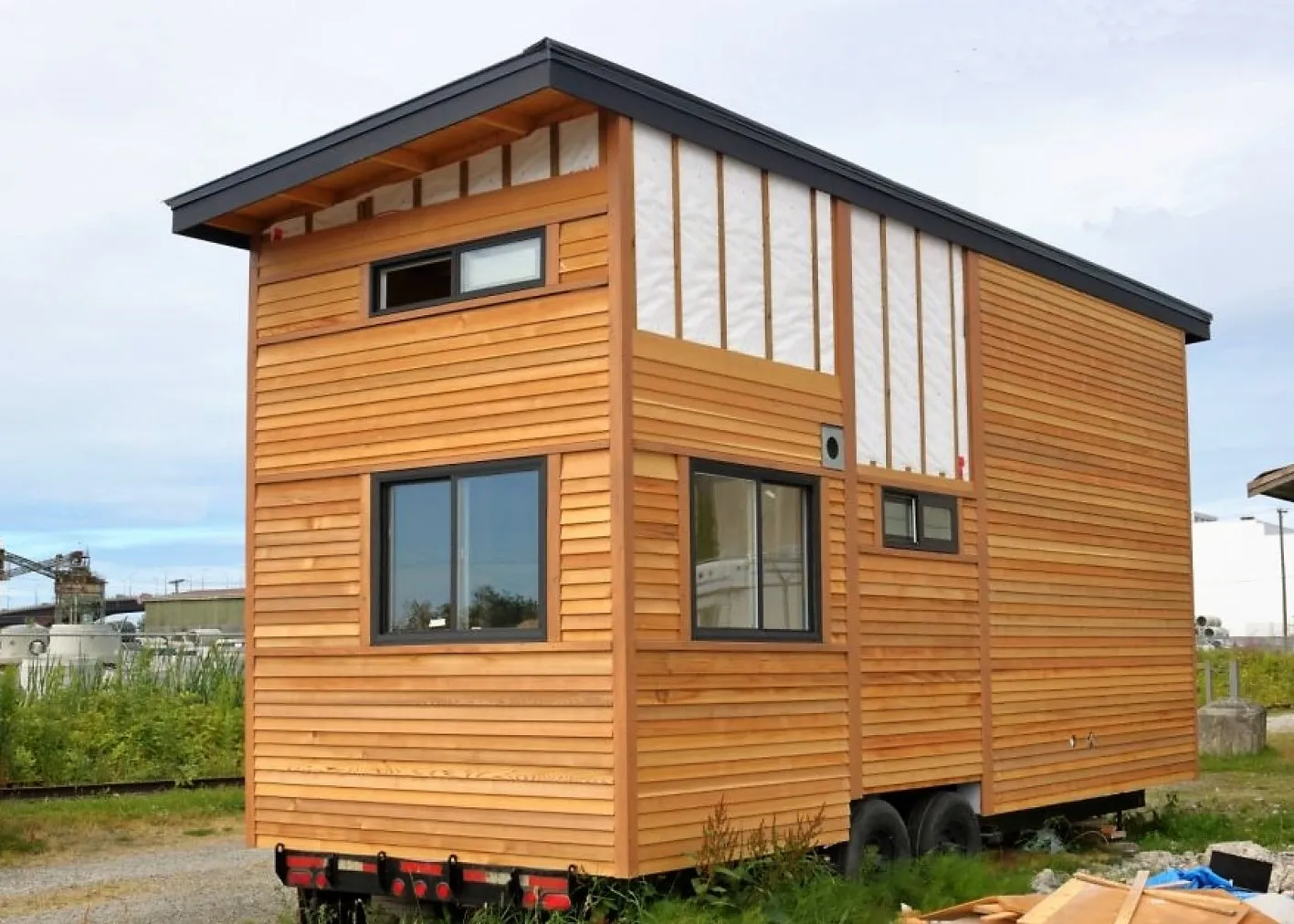
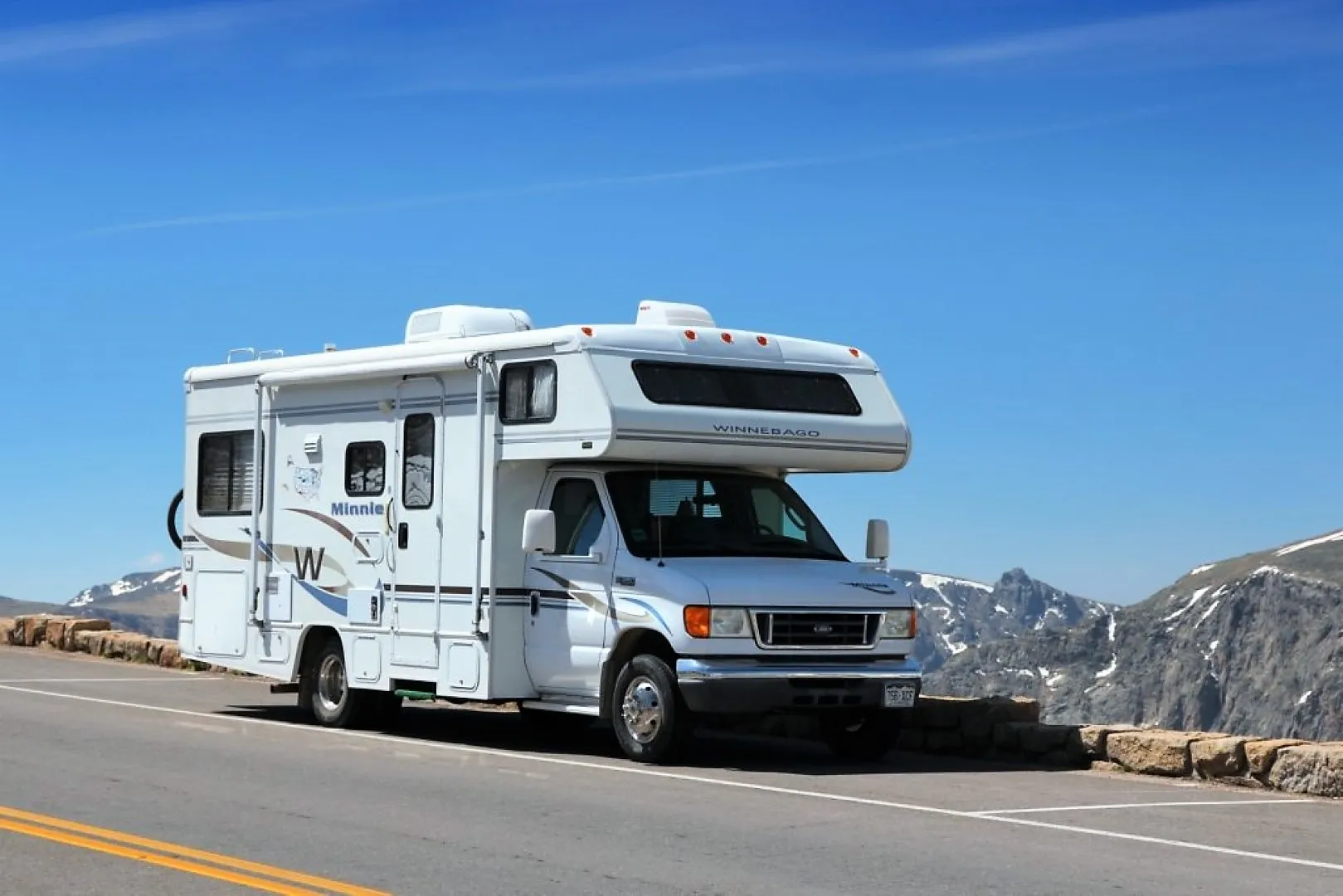
5. RV or park-model recreational vehicle
Federal manufactured-housing rules treat qualifying recreational vehicles separately. 24 CFR 3282.15 defines the RV exemption around recreational use rather than use as a primary residence or for permanent occupancy, and its required park-model notice likewise states recreational-only use. Local rules may further limit parking, duration, hookups, wastewater, permits, and occupancy. Do not treat wheels, a park-model label, or utility connections as permission to live on a parcel permanently.
Comparison checklist
| Option | Primary construction path | Foundation or setup | Occupancy question | Confirm with |
|---|---|---|---|---|
| Site-built | Adopted state/local building code | Engineered and permitted for site | Dwelling use varies by zoning and approvals | Planning, building, fire, utilities, wastewater |
| Modular | State/local modular and building-code program | Site foundation and module assembly vary | Dwelling use varies by zoning and approvals | State modular program plus local officials |
| Manufactured | Federal HUD Code for the home; state/local installation | Approved installation/foundation varies | Placement and occupancy vary locally | HUD/state program plus local officials |
| Tiny-house design | Depends on whether site-built, modular, manufactured, or RV | Depends on the governing classification | Permanent occupancy is not established by size | Officials reviewing the exact plans or certification |
| RV/park model | Recreational-vehicle standards; not HUD-code housing under the cited exemption | Parking, anchoring, and hookups vary locally | Federal exemption is recreational, not primary-residence/permanent-occupancy use | Planning, health, utility, RV, and code authorities |
Screen hazards, infrastructure, and total installed cost
Review drainage, flood hazards, wetlands, soils, slope, wildfire exposure, emergency access, and insurance before selecting a structure. FEMA’s Flood Map Service Center is the official public source for NFIP flood-hazard information, but maps can change and do not settle boundaries, site elevations, insurance price, or buildability.
Compare the complete installed project rather than advertised unit price. Include transport, site preparation, grading, foundation or anchoring, engineering, permits, inspections, utility extensions, wastewater, driveway work, fire requirements, insurance, financing, professional reports, and contingency. Obtain parcel-specific bids and ask exactly what each scope excludes.
Build a parcel-specific approval plan
Ask officials which applications, plans, studies, fees, inspections, and licensed professionals are required. Coordinate a surveyor, designer, engineer, septic professional, installer, contractor, lender, insurer, title professional, and attorney as needed. Keep contract deadlines and due-diligence rights aligned with the time required to verify feasibility. No structure choice guarantees approval, utility service, an affordable project, insurability, financing, or lawful occupancy.
Planning to place a manufactured home? See our mobile home lots.