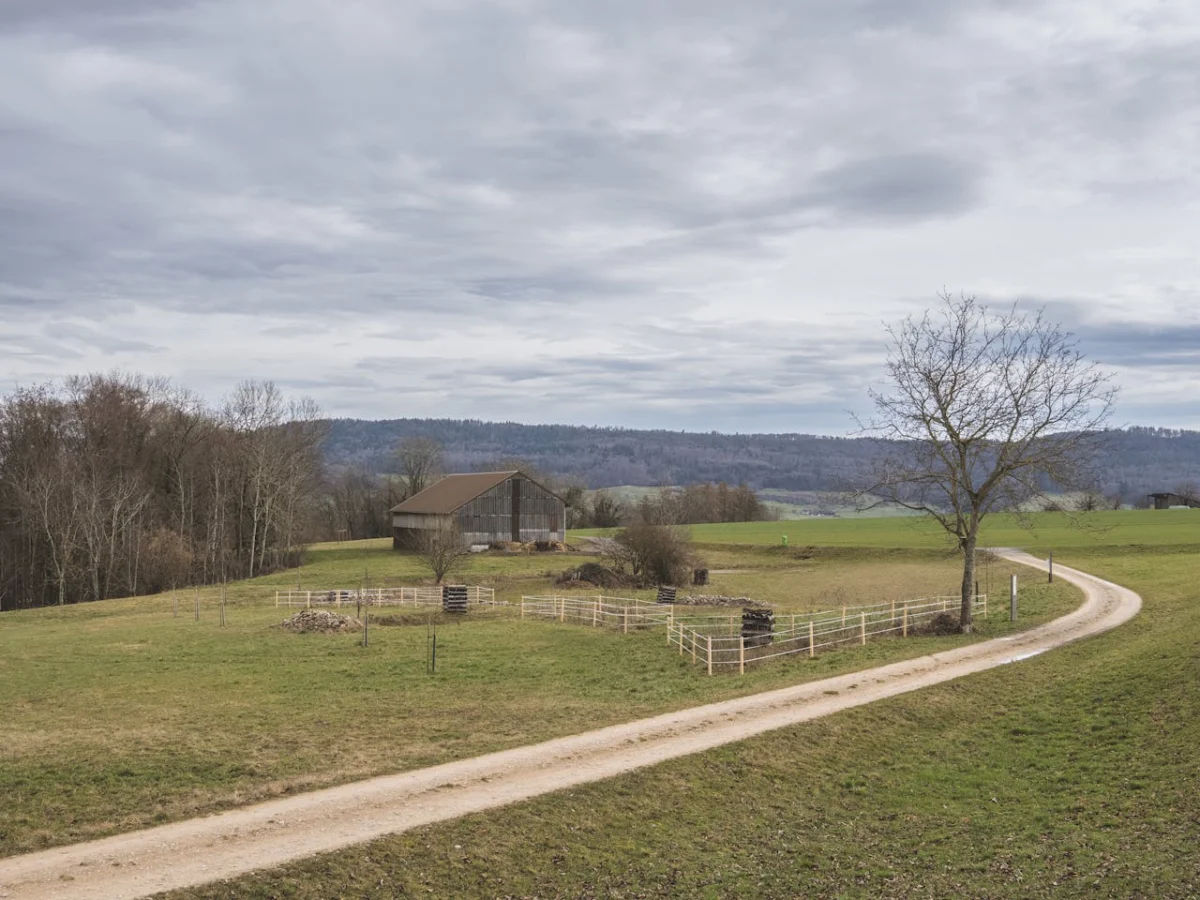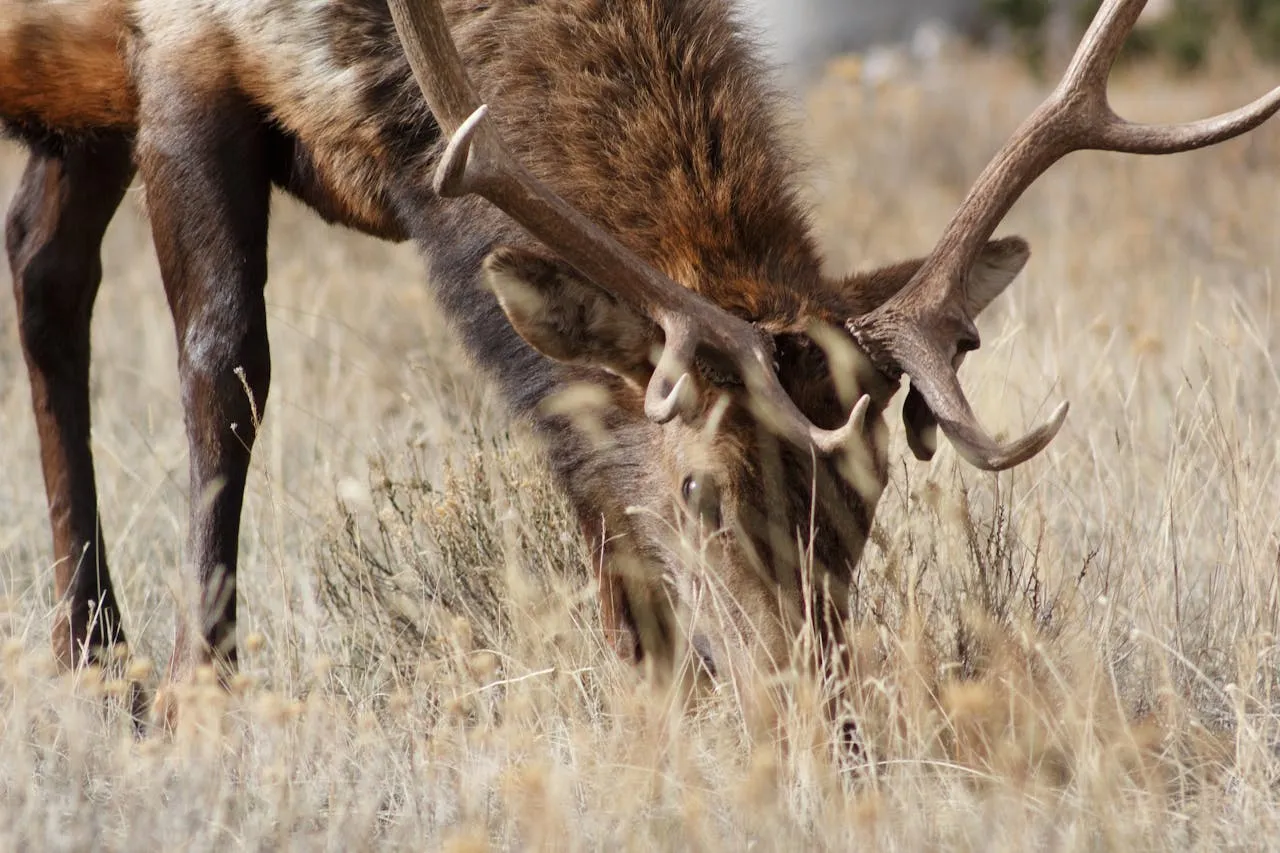
Washington elk hunting is governed by current seasons, licenses, tags, Game Management Units, equipment rules, closures, and land-specific access. A parcel marketed for recreation may be useful as a base or private open space, but ownership does not guarantee elk presence, a successful hunt, a tag, permission to hunt beyond the boundary, or access to adjoining public land. Build every plan from current Washington Department of Fish and Wildlife information and verified property rights.
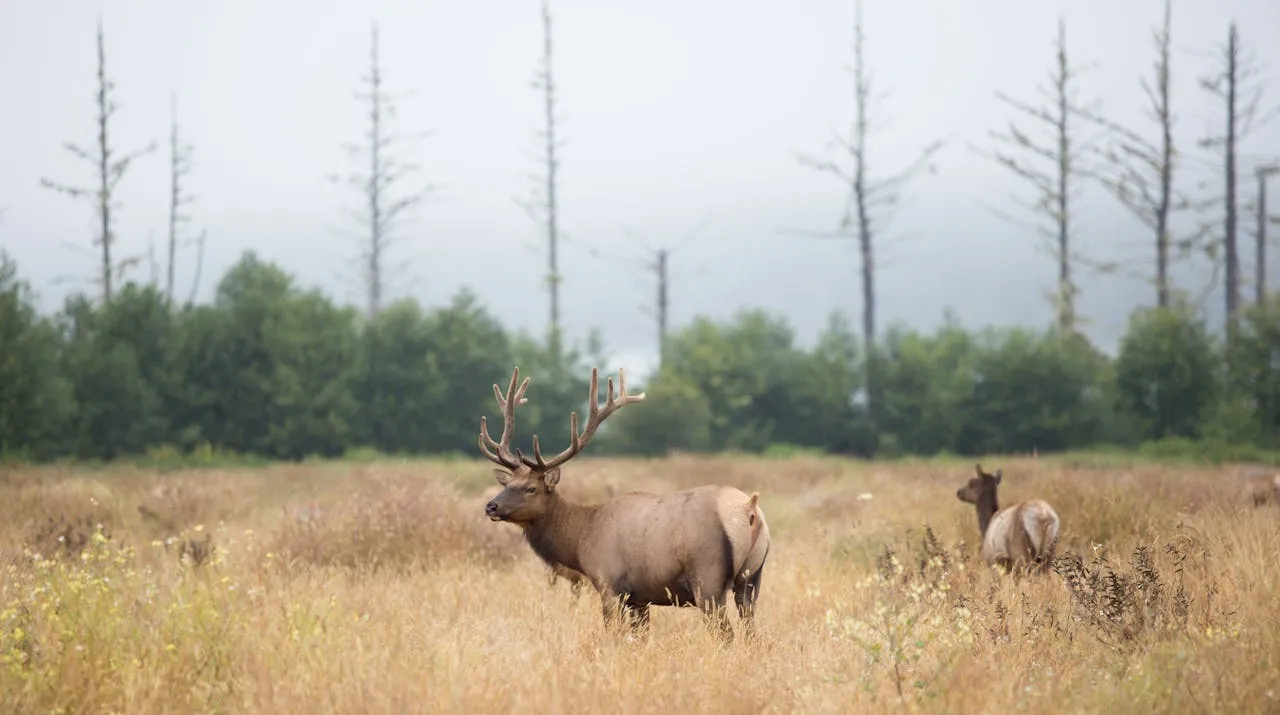
Start with the current regulations, not a timeless “best season”
Source review date: August 26, 2026. Washington separates opportunities by tag area, GMU, method, date, and legal animal, and those details can change. WDFW’s hunting regulations page is the starting point for the current pamphlet and season summaries. Read the full current regulations for the license, tag, method, dates, GMU, legal elk, reporting, transport, and closures that apply to the planned hunt. A map or article is a planning aid, not a substitute for controlling regulations and posted conditions.
Do not publish or rely on a single statewide elk-season date. Archery, muzzleloader, and modern-firearm periods vary, and special permits or restrictions can apply. Verify firearm restrictions, hunter-orange or fluorescent-pink requirements where applicable, special hunt conditions, and any disease-related transport or baiting rules before departure.
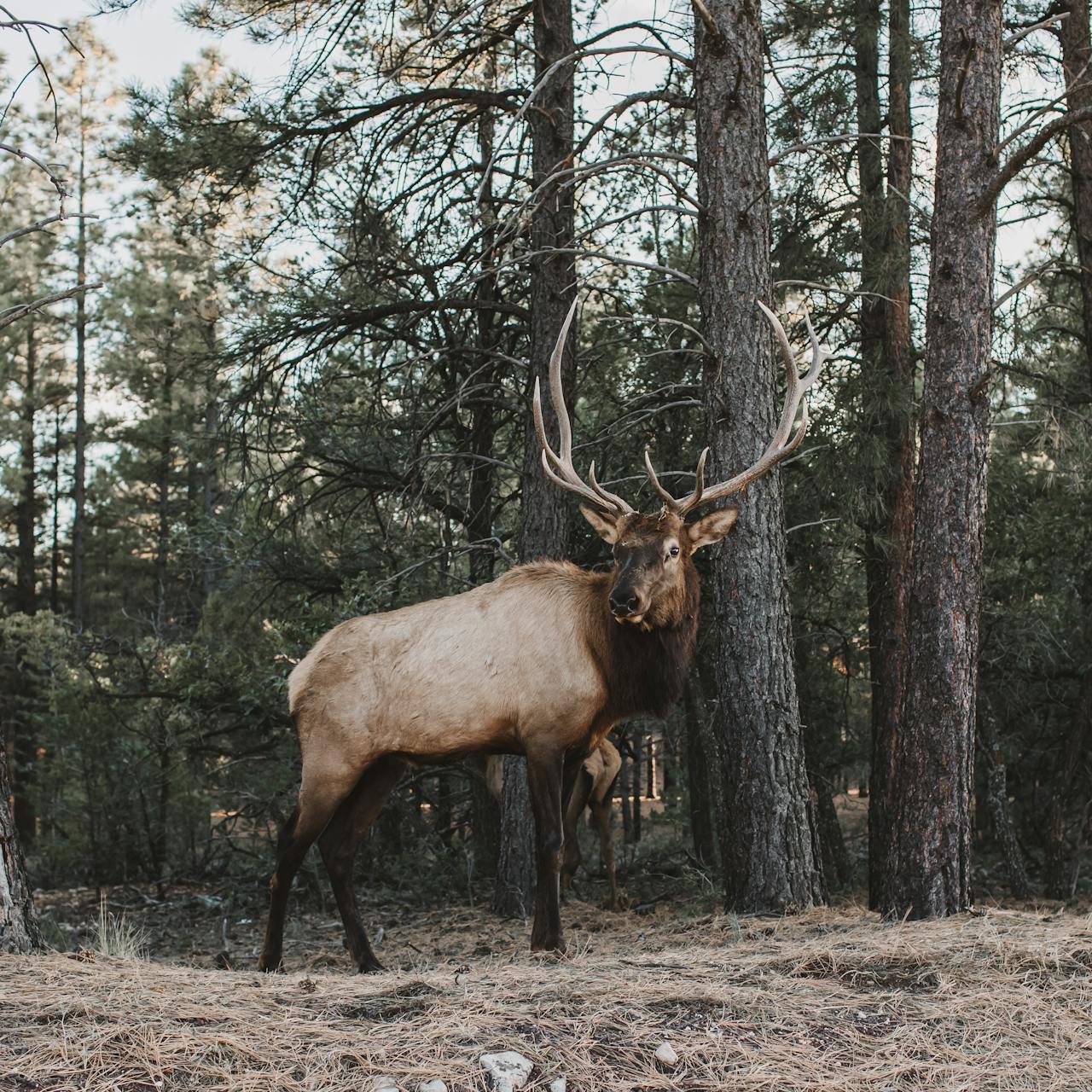
Ownership and hunting authorization are different
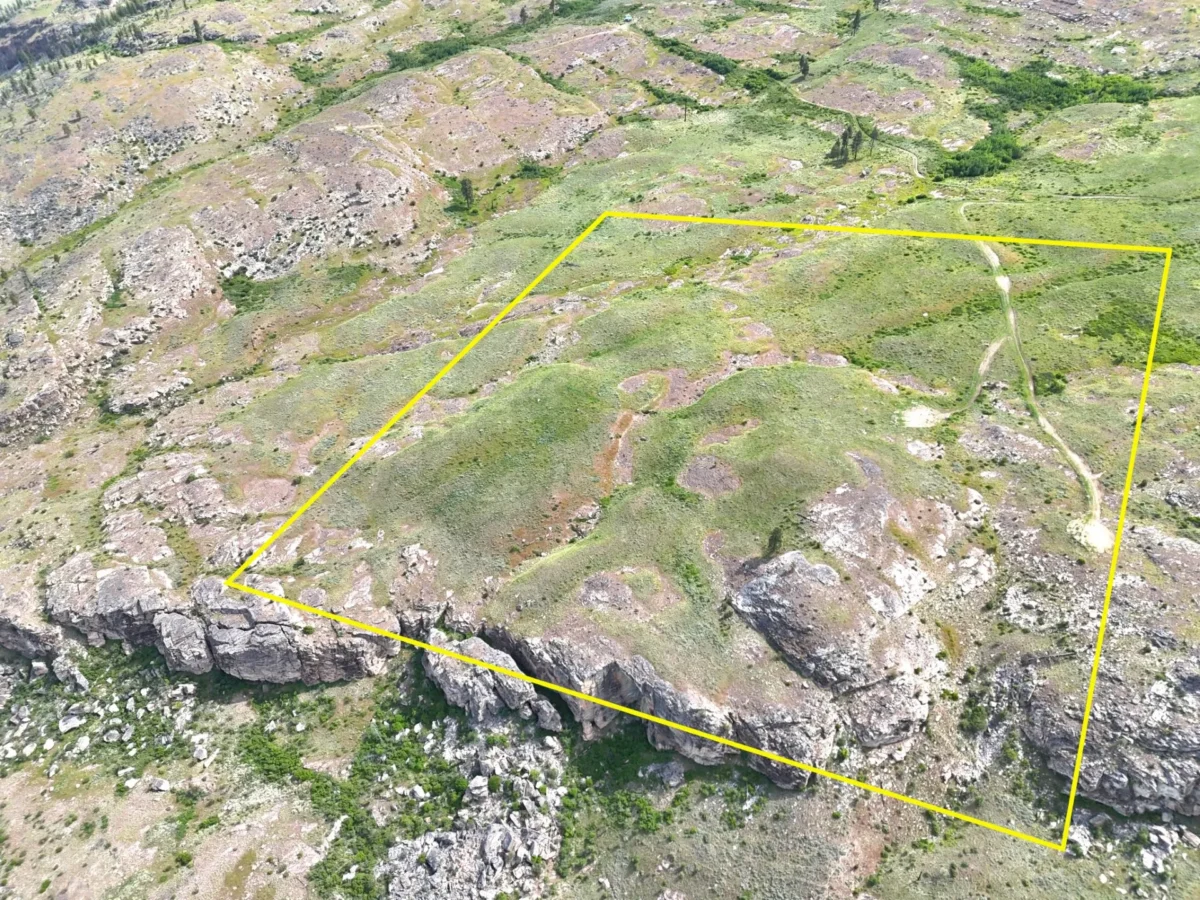
Owning land gives the owner the right to control lawful entry on that parcel, subject to easements and other rights; it does not replace hunting licenses, tags, seasons, or wildlife laws. It also does not grant a right to cross neighboring property. Confirm title, legal access, surveyed boundaries, gates, and any road-use agreements. Mark boundaries responsibly and carry a reliable map, but resolve uncertainty with survey and title evidence rather than an app alone.
WDFW states that state, federal, tribal, military, and private lands each have their own rules and restrictions. Its places-to-hunt page links to current regulations, GMU maps, wildlife areas, and planning tools. Public ownership on a map does not prove that a route is open, motorized travel is allowed, or hunting is permitted on a particular date. Check the managing agency, current closures, fire restrictions, local signage, and the legal route to the site.
Private-land programs have different access conditions
Some private properties participate in WDFW access programs, but each program works differently. WDFW’s private-lands access guidance describes Feel Free to Hunt, Register to Hunt, Hunt by Written Permission, and Hunt by Reservation arrangements. Registration, written permission, a reservation, capacity limits, parking areas, or property-specific rules may apply. Public access on private land is described by WDFW as a privilege, not a right. Read the specific property page and signs before entering.
Evaluate recreational land without promising elk
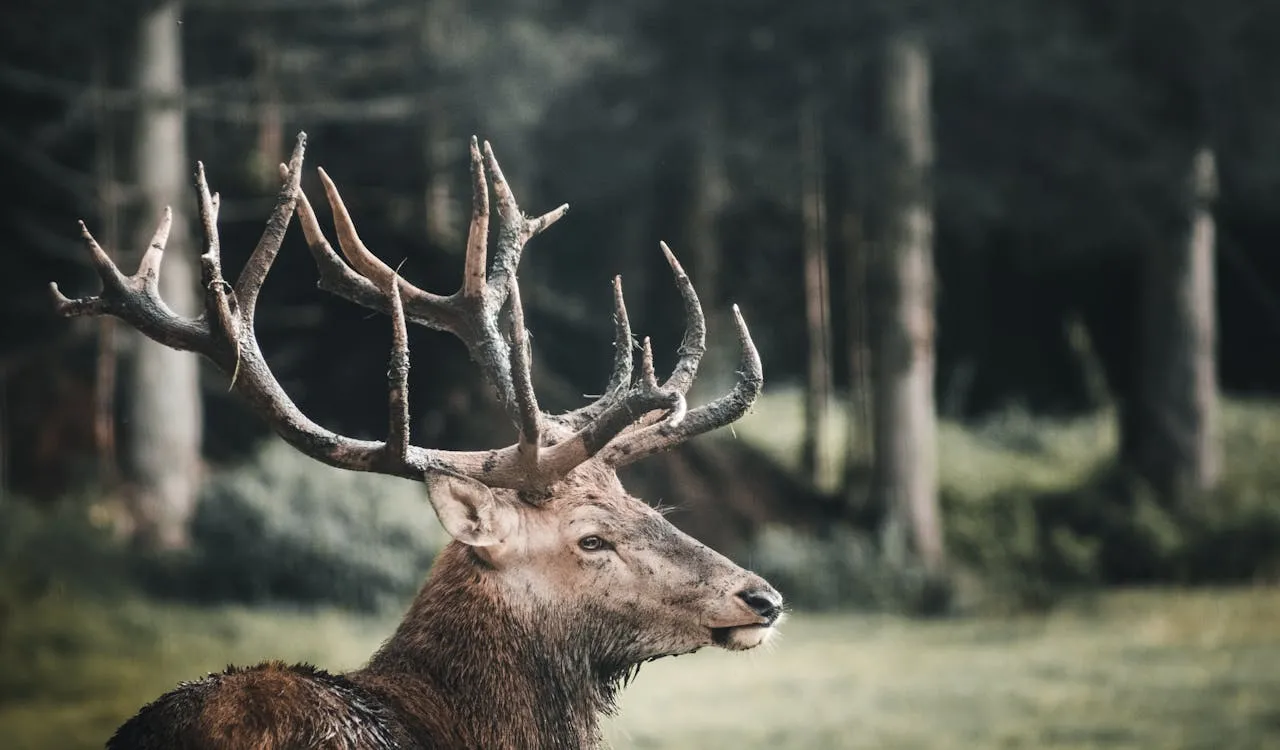
Elk move in response to forage, cover, water, weather, disturbance, hunting pressure, fire, and seasonal conditions. Tracks, droppings, trail-camera images, or past observations show only that animals were present at a particular time; they do not guarantee current or future presence. Ask a qualified local wildlife professional about habitat and use official WDFW hunting prospects as context, then make purchase decisions that still work if elk are not present during the intended season.
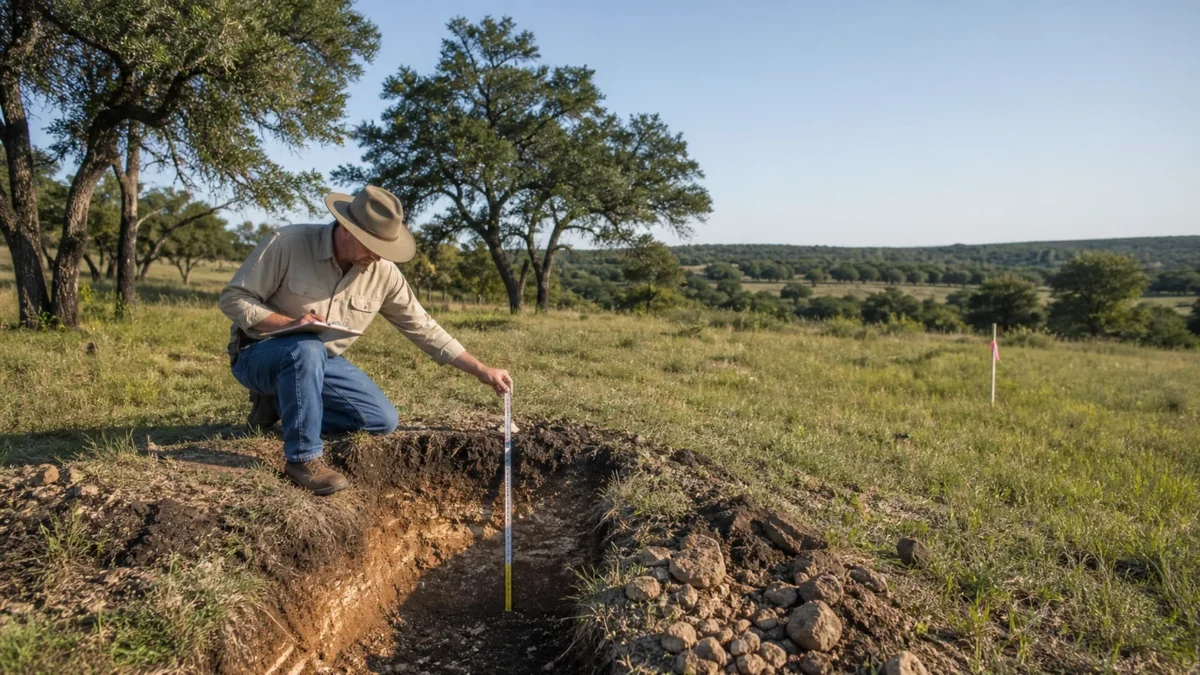
Inspect the parcel for terrain, safe shooting considerations, neighboring homes, livestock, roads, trails, water bodies, and backstop conditions. Confirm any county discharge restrictions and identify where hunting can occur lawfully within the actual boundary. A small parcel may offer camp or observation value but little practical hunting room. Never imply that acreage alone makes a property suitable for elk hunting.
Cabins, camps, and access improvements require separate review
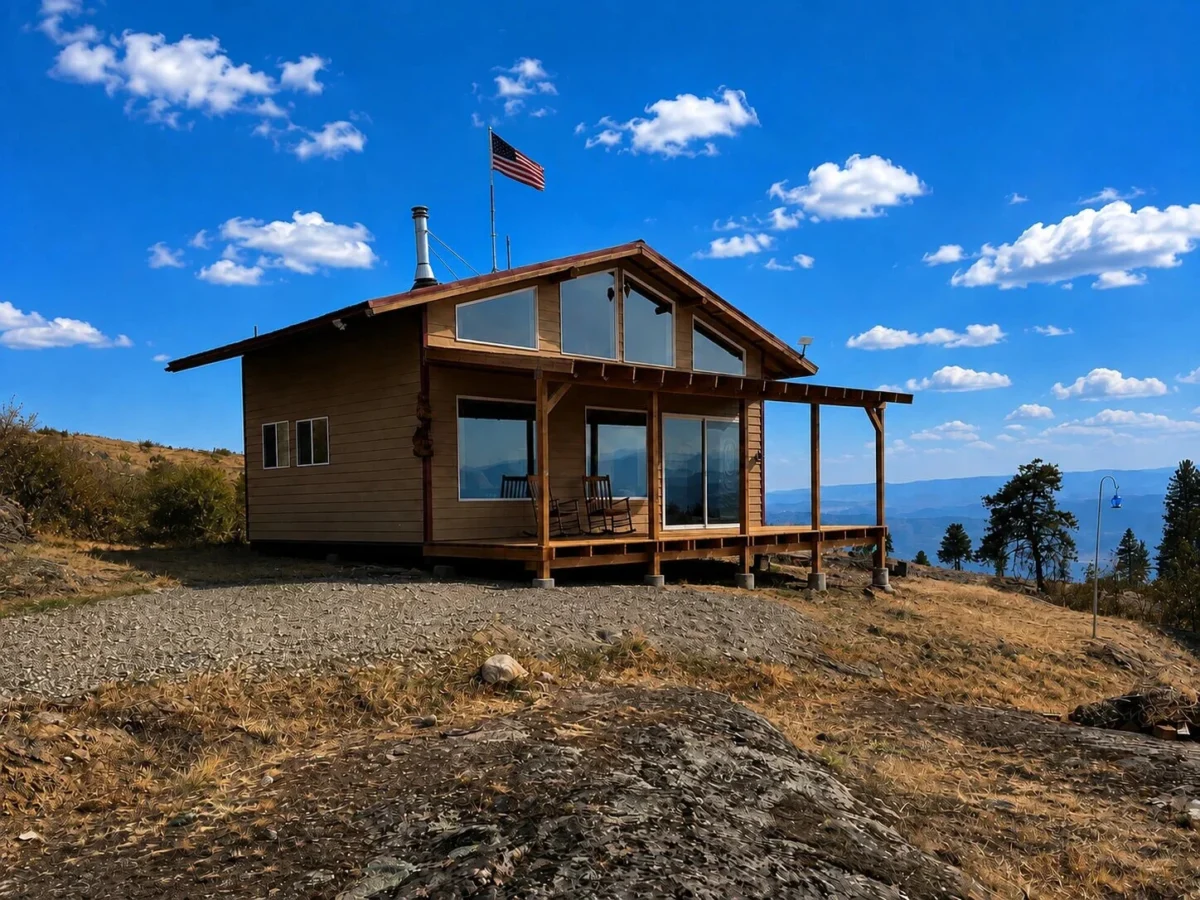
A hunting purpose does not make a cabin, shed, RV pad, driveway, bridge, well, or septic system automatically permitted. Ask local planning and building departments about allowed uses, occupancy, setbacks, wildfire standards, critical areas, floodplain, road access, and permits. For example, Okanogan County Planning explains that site analysis can address wetlands, steep slopes, riparian areas, wildlife areas, parking, and setbacks. That is a local example, not a statewide approval rule. For broader parcel checks, see our Washington State land-buying guide.
Verify water and sanitation before advertising a camp as buildable or habitable. Ecology’s groundwater guidance states that permit-exempt use remains subject to water law and local requirements. The local health jurisdiction controls the parcel-specific septic review. Ownership, hunting authorization, and development permission should be documented as three separate diligence tracks.
Field planning and ethical access
Before each trip, check the current forecast, wildfire and road closures, agency notices, and emergency communications. Share a plan, carry navigation and survival equipment appropriate to conditions, and avoid blocking gates or roads. Follow leave-no-trace practices and all carcass, transport, reporting, and evidence-of-sex rules in the current pamphlet. If another landowner’s permission is required, obtain it in the required form and carry it.
Separate hunting rules from ownership questions when reviewing current land listings.