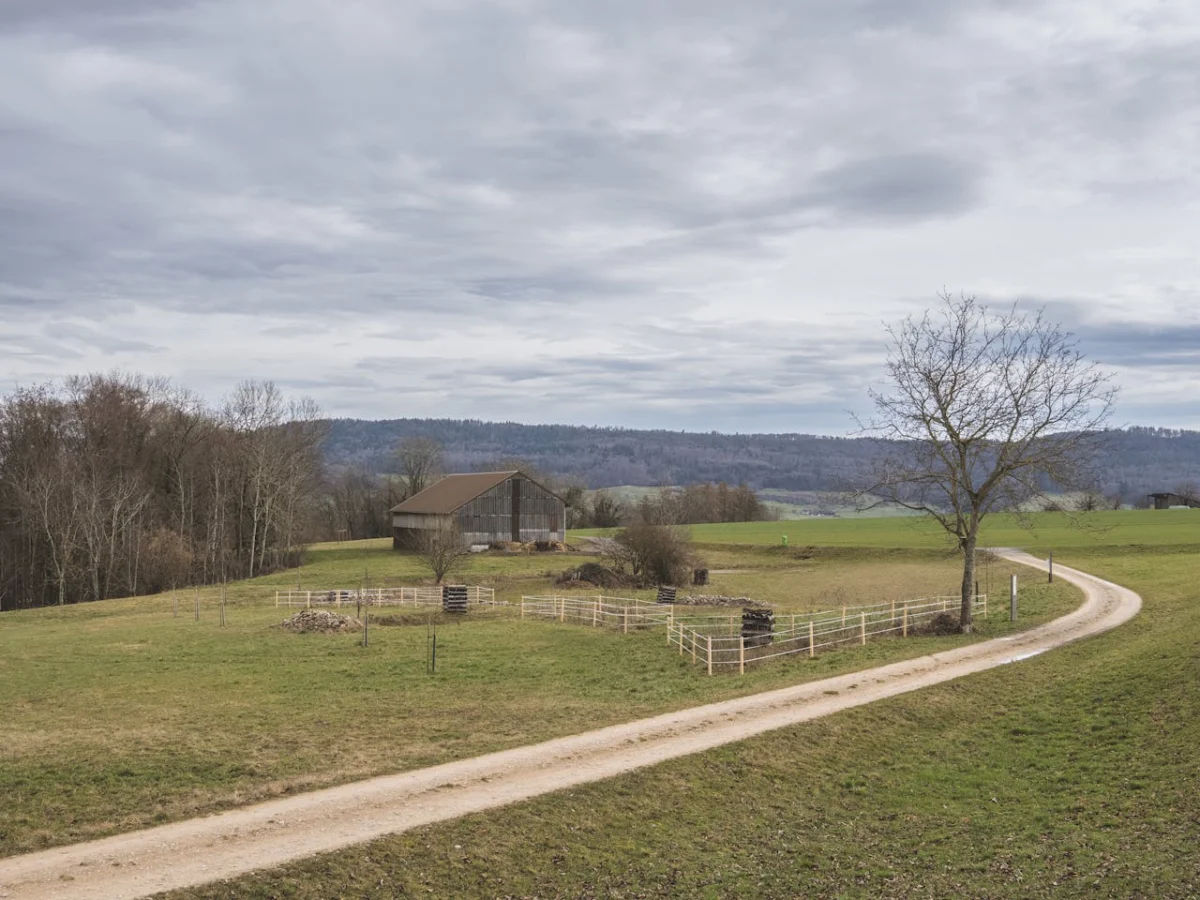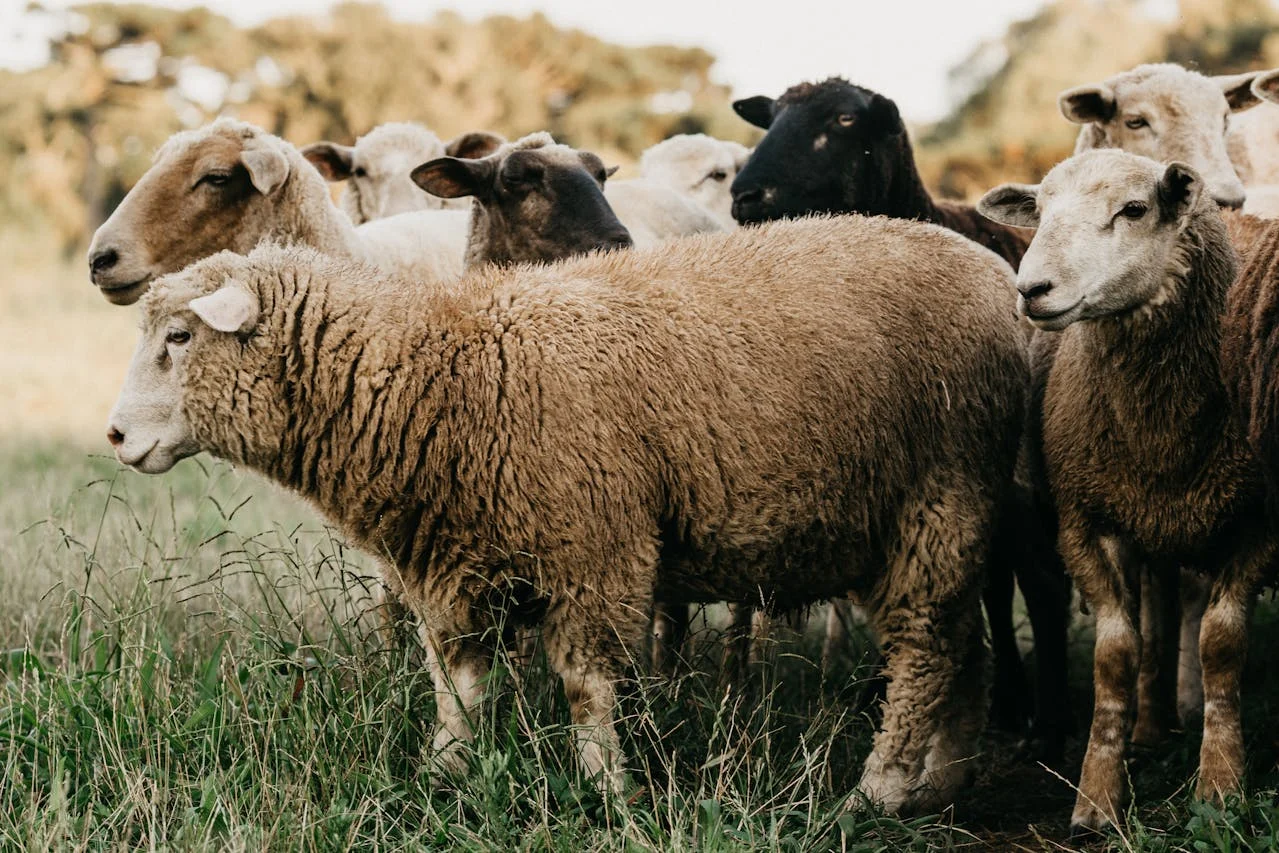
Leasing Washington land for grazing can be a practical stewardship arrangement, but acreage alone does not establish carrying capacity, tenant demand, or lease income. A useful plan begins with permitted use, legal water, forage production, fencing, access, environmental constraints, and a written allocation of responsibilities. Evaluate the land as a working system before advertising it as “ranch-ready.” For broader parcel checks, see our Washington State land-buying guide. For a broader property-planning framework covering title, access, resources, permits, and phased budgeting, use our ranch development planning checklist.
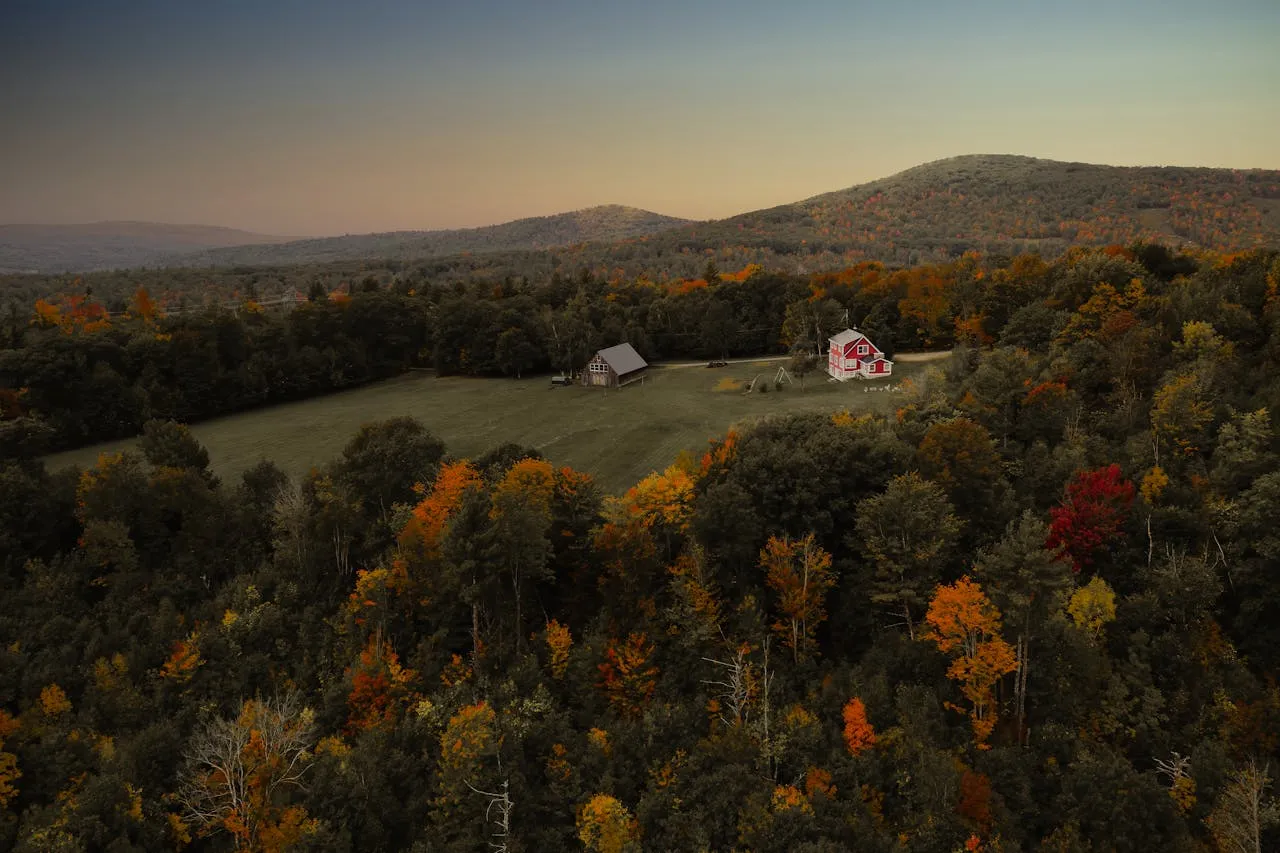
Confirm that the proposed livestock use is allowed
Ask the controlling county or city planning office whether grazing, animal keeping, barns, feeding areas, manure storage, commercial boarding, and related improvements are permitted in the parcel’s zone. Different activities may have different definitions and setbacks. Review recorded covenants as well. A tax classification or an agricultural appearance does not by itself authorize every livestock use, structure, or business activity.
Identify critical areas, shoreline jurisdiction, floodplain, steep slopes, and nearby streams before locating corrals, crossings, water points, manure areas, or roads. Ecology’s land and shoreline guidance notes that local jurisdictions may designate wetlands, streams, aquifer recharge areas, frequently flooded areas, geologic hazards, and fish and wildlife habitat as critical areas. Contact local planning and the conservation district early when improvements could affect those resources.
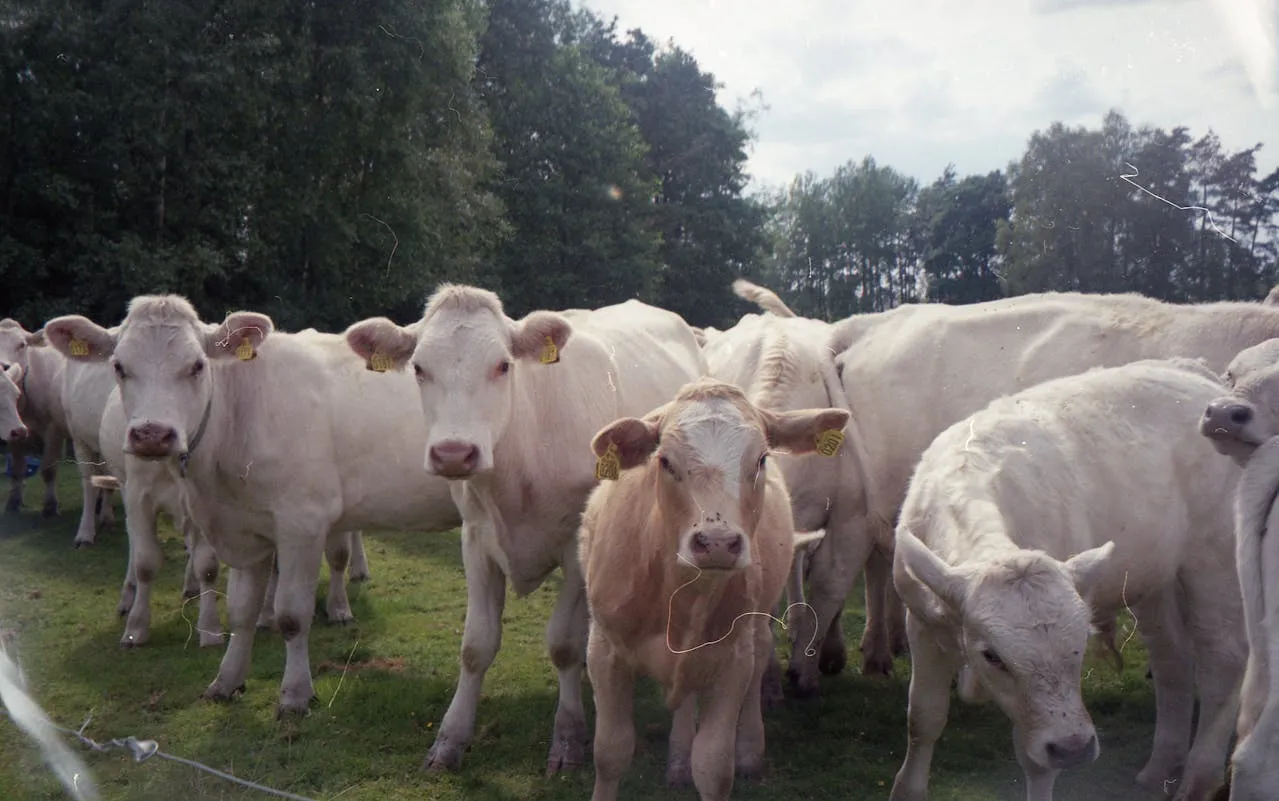
Measure forage; do not assign animals by acres
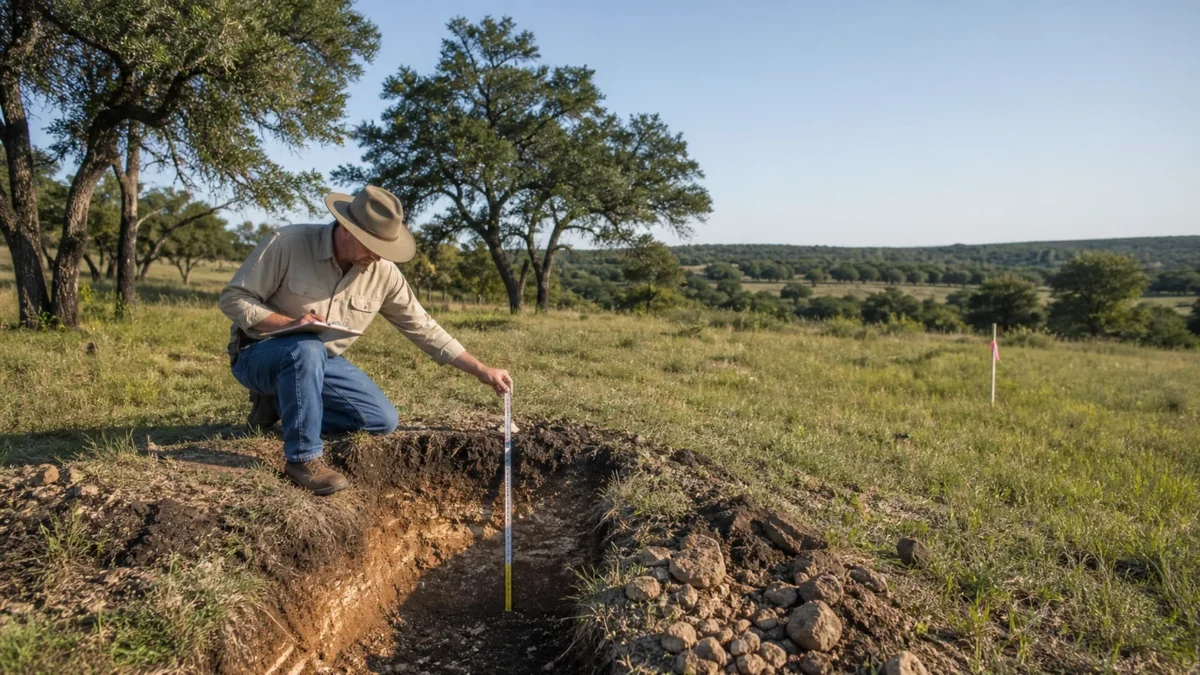
Washington pasture and rangeland productivity changes with soil, precipitation, irrigation, plant community, season, and management. WSU Extension’s stocking-rate guidance recommends determining usable forage through field measurement or an NRCS Ecological Site Description, deciding how much forage to leave, and then calculating animal demand. Brush, old stems, steep ground, and inaccessible corners should not be treated as edible forage merely because they are inside the fence.
WSU’s planned-grazing guidance explains that carrying capacity is the stocking rate that maintains animal performance and land condition, and that forage productivity varies through the year. Start with a conservative written grazing plan, monitor utilization and residual vegetation, and adjust animal numbers or grazing days. Rotational grazing can improve control, but it does not create forage or water that the site cannot supply.
Verify water as both a legal right and a physical system
Stockwater is among the categories discussed in Ecology’s groundwater permit-exemption guidance, but exempt use remains subject to state water law, senior rights, project limitations, and additional local rules. Surface-water diversion generally requires separate authority. Confirm the source, legal basis, well or diversion records, quantity, seasonal reliability, quality, pumping capacity, storage, freeze protection, and distribution before setting carrying capacity or lease terms.
Protect water quality with site-specific practices. Keep feeding, sacrifice, and manure areas away from sensitive drainage paths as required; maintain vegetated buffers where appropriate; stabilize crossings; and avoid concentrating livestock on saturated soil. The Washington State Department of Agriculture recommends reliable water, rotational or prescribed grazing to reduce pressure on stressed vegetation, locally suited forage, and conservation buffers near water during drought planning.
Inspect infrastructure and access
Walk every fence and gate. Document ownership, condition, and repair needs for boundary fence, cross-fence, corrals, loading areas, wells, pumps, tanks, troughs, roads, bridges, and power. Confirm legal access through title and recorded documents; then test whether livestock trailers, feed deliveries, veterinarians, and emergency vehicles can use the route. Decide who pays for upgrades, routine maintenance, storm damage, weeds, snow removal, and utilities.
Put the operating rules in a written lease
A qualified Washington attorney should tailor the agreement. Topics commonly include the legal description, term, renewal, rent method, payment timing, permitted species, maximum animals or animal-unit months, grazing dates, water use, maintenance, weed control, manure, improvements, insurance, indemnity, inspection, biosecurity, casualty, drought response, default, and termination. Attach a map showing excluded areas, water points, gates, and responsibilities. Address whether assignment, hunting, camping, subleasing, or commercial events are prohibited or require written consent.
Use a capacity-based lease rather than a claim that the property will support a fixed herd indefinitely. Define triggers for reducing or removing animals during drought, fire, water failure, overuse, or agency restriction. State who owns improvements at lease end and whether the owner must approve contractors and permits. Keep records of stocking, movement, forage observations, water testing, repairs, and communications.
Evaluate economics without an income guarantee
Research comparable grazing arrangements only after normalizing for forage, water, fencing, access, season, services, and who bears expenses. A per-acre price can mislead when usable forage differs. Build scenarios from a documented animal-unit-month capacity and written costs, but do not promise tenant demand, a lease rate, or net ranch income. Professional fees, repairs, drought, vacancy, liability coverage, taxes, and capital improvements can materially change the result.
Document baseline conditions before livestock arrive. Dated photographs, a pasture and weed inventory, fence and water-system notes, and agreed inspection intervals can reduce disputes and show whether management goals are being met. The parties should also address wildfire precautions, animal health events, drought response, biosecurity, dead-stock handling, and restoration at lease end. These operational details do not replace legal advice, insurance review, or agency requirements, but they make responsibilities easier to understand and enforce.
Use this framework while comparing current land listings.
See our ranch land for sale, from small Texas ranchettes to larger tracts.