
Turning rural land into an RV retreat, homesite, homestead, or working property begins with matching the parcel to the intended use. This resource center covers the practical questions that come before construction or long-term living: whether local rules allow the use, how road access and terrain affect the plan, where water and power may come from, and how wastewater will be handled. The guides explain options such as grid connections, wells, solar power, sewer hookups, and septic systems, while showing why availability, permits, soil conditions, distance, and local requirements matter. You can also explore considerations for RV lots, tiny or manufactured homes, ranches, recreation, and homesteading. Use these articles to build a realistic sequence—confirm use rules, inspect the land, investigate utilities and septic feasibility, estimate improvements, and contact local offices and qualified contractors. What works on one parcel may not work on another, so verify each assumption before buying or developing.
Land Use & Development
Latest Articles


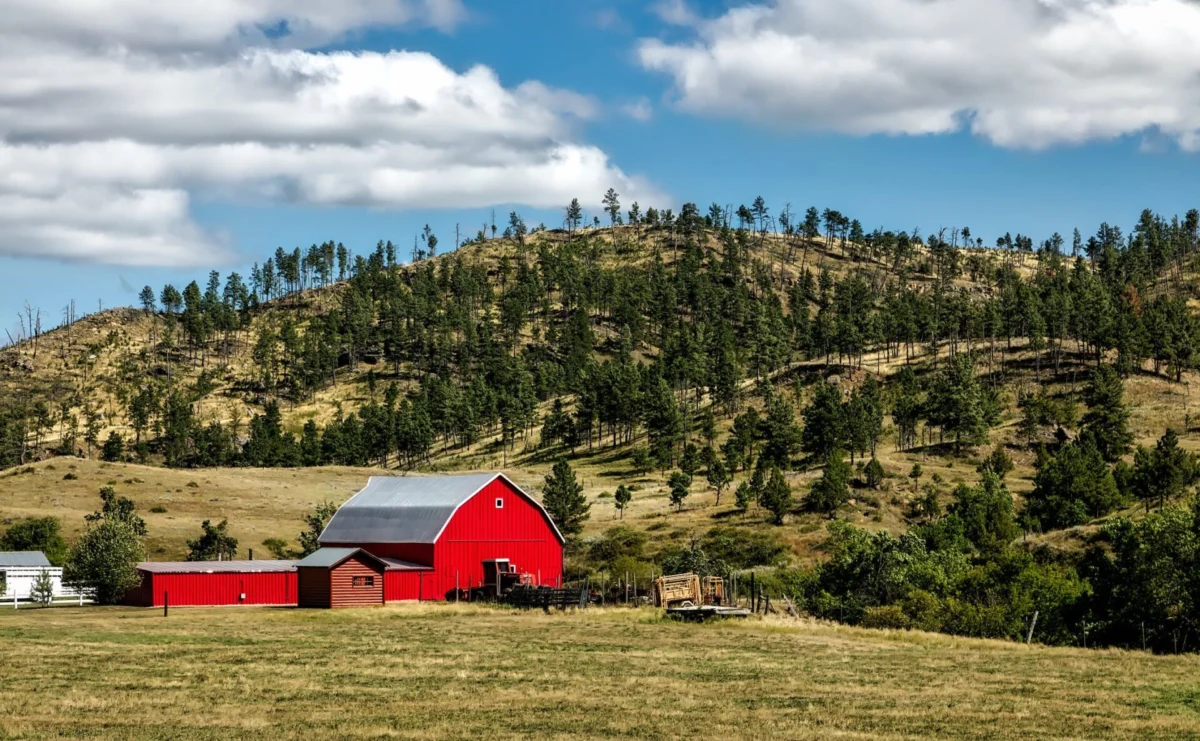
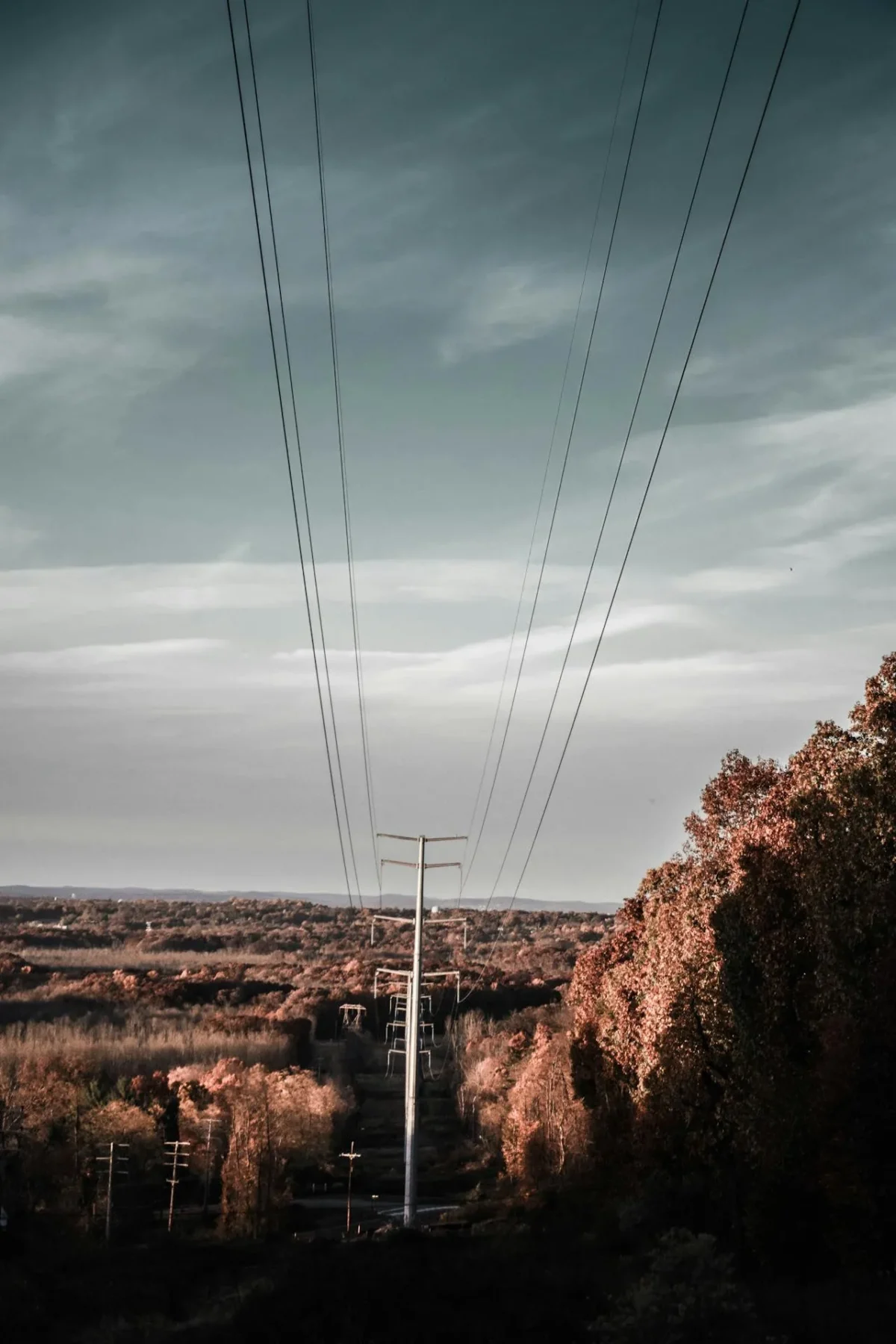
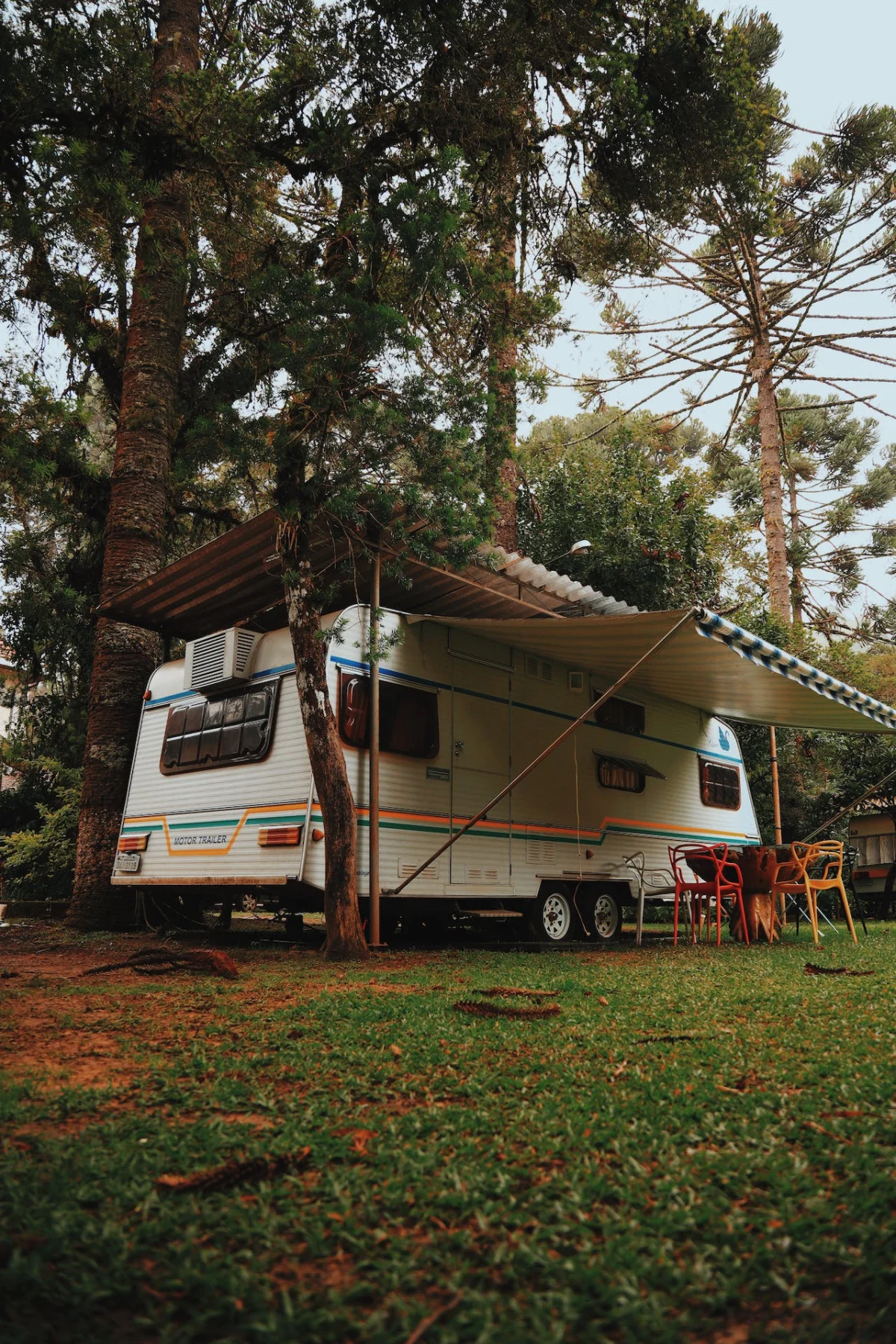
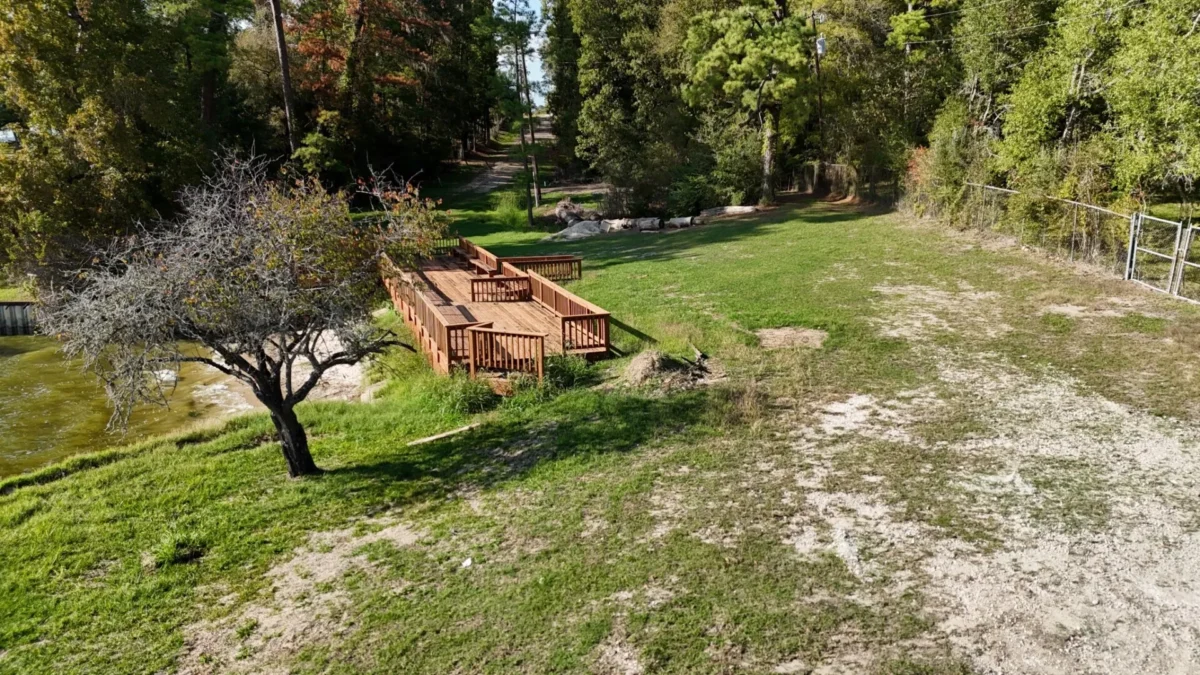

Questions about Land Use & Development
How do I know what I can build or do on rural land?
Start with the county or municipality’s current zoning, building, health, and land-use requirements, then review any recorded restrictions or community rules affecting the parcel. Ask specifically about your planned home type, RV use, animals, business activity, setbacks, permits, and utility systems. A listing label such as “vacant” or “rural” does not by itself confirm that your intended use is allowed.
What utilities should I investigate before developing land?
Check electricity, water, and wastewater first. Determine whether grid power, public water, and sewer are available at or near the parcel, who provides them, and what connection work is required. If they are unavailable, investigate wells, solar or other power options, and septic feasibility. Include permits, distance, terrain, reliability, maintenance, and installation costs in your comparison.
Can raw land support a septic system?
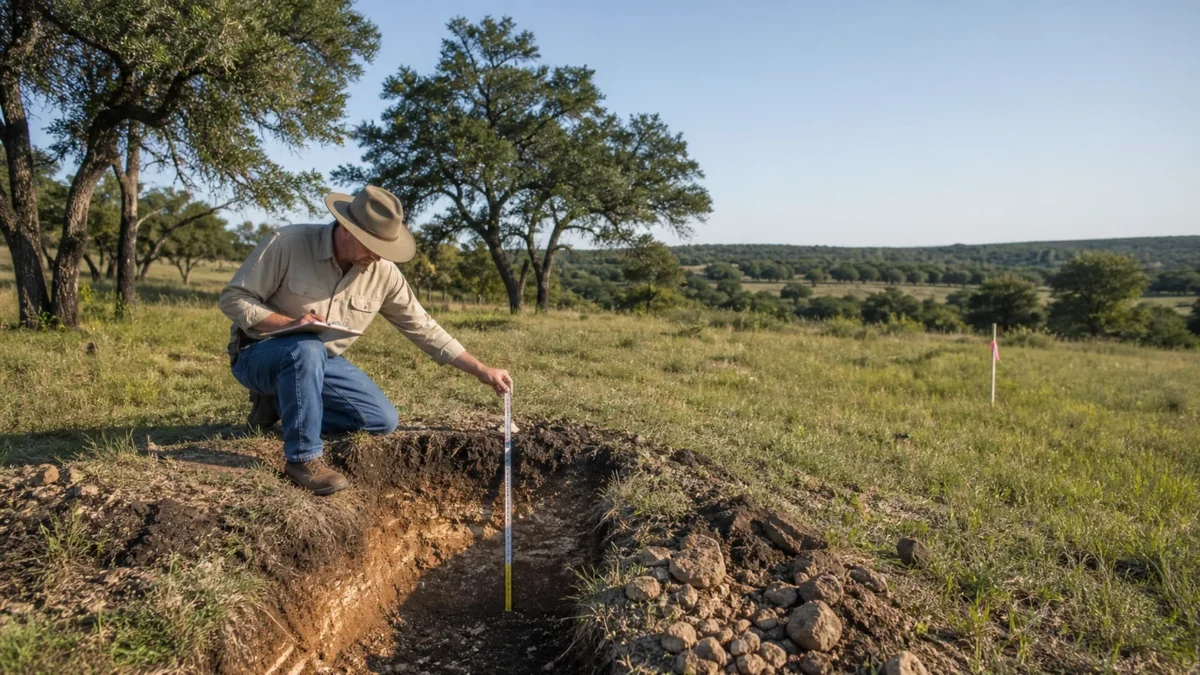
Possibly, but suitability depends on soil absorption, available space, slope, groundwater, setbacks, local rules, and the proposed use. Contact the county health or environmental office and ask what testing and permits are required. A percolation test and system design may be needed before approval. Verify feasibility before treating the parcel as a homesite or long-term RV location.
What should I look for in land for an RV or homestead?
Match the property to how you will actually use it. Review access, terrain, climate, usable space, water, power, wastewater, soil, taxes, nearby services, and local restrictions. For an RV, include parking duration and hookup rules; for a homestead, consider growing conditions, water security, animals, structures, and improvement costs. Prioritize essential features before optional amenities or views.
