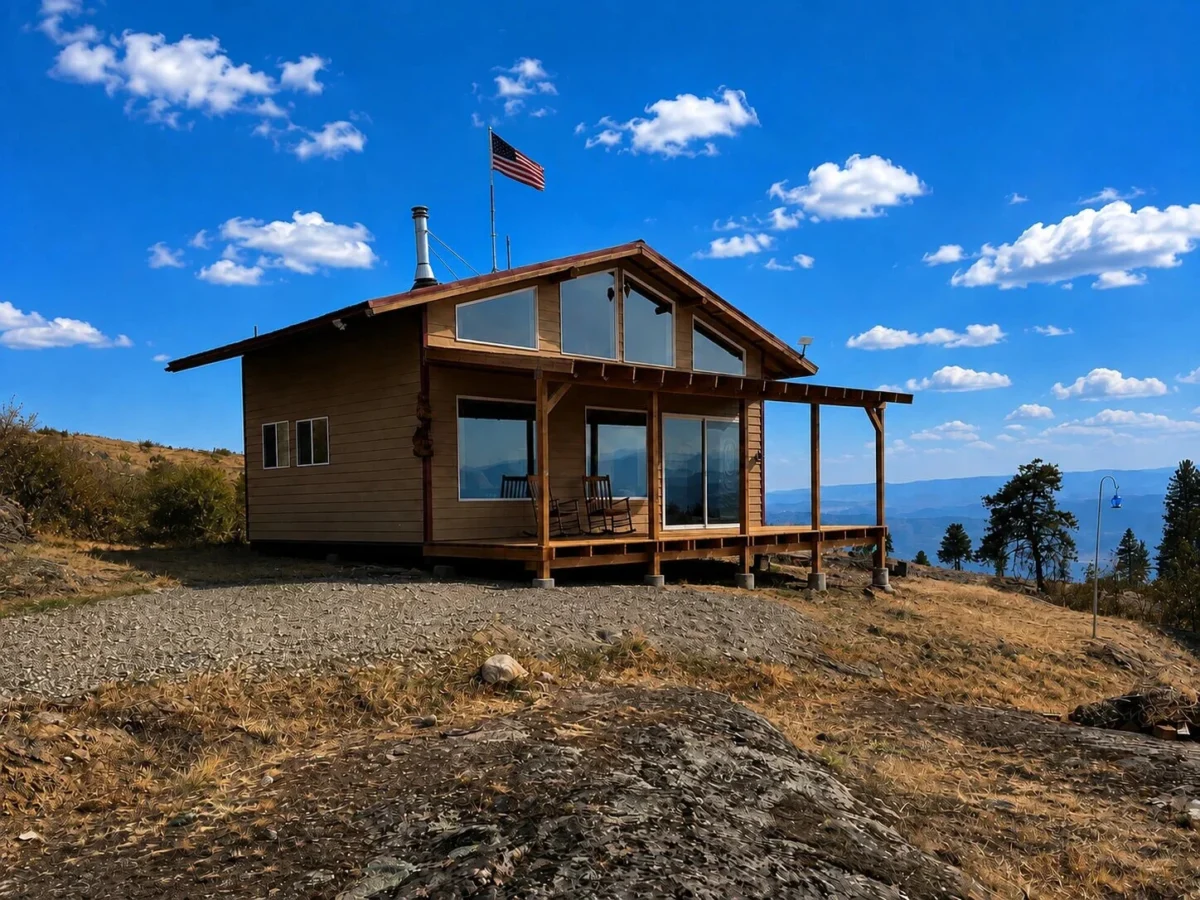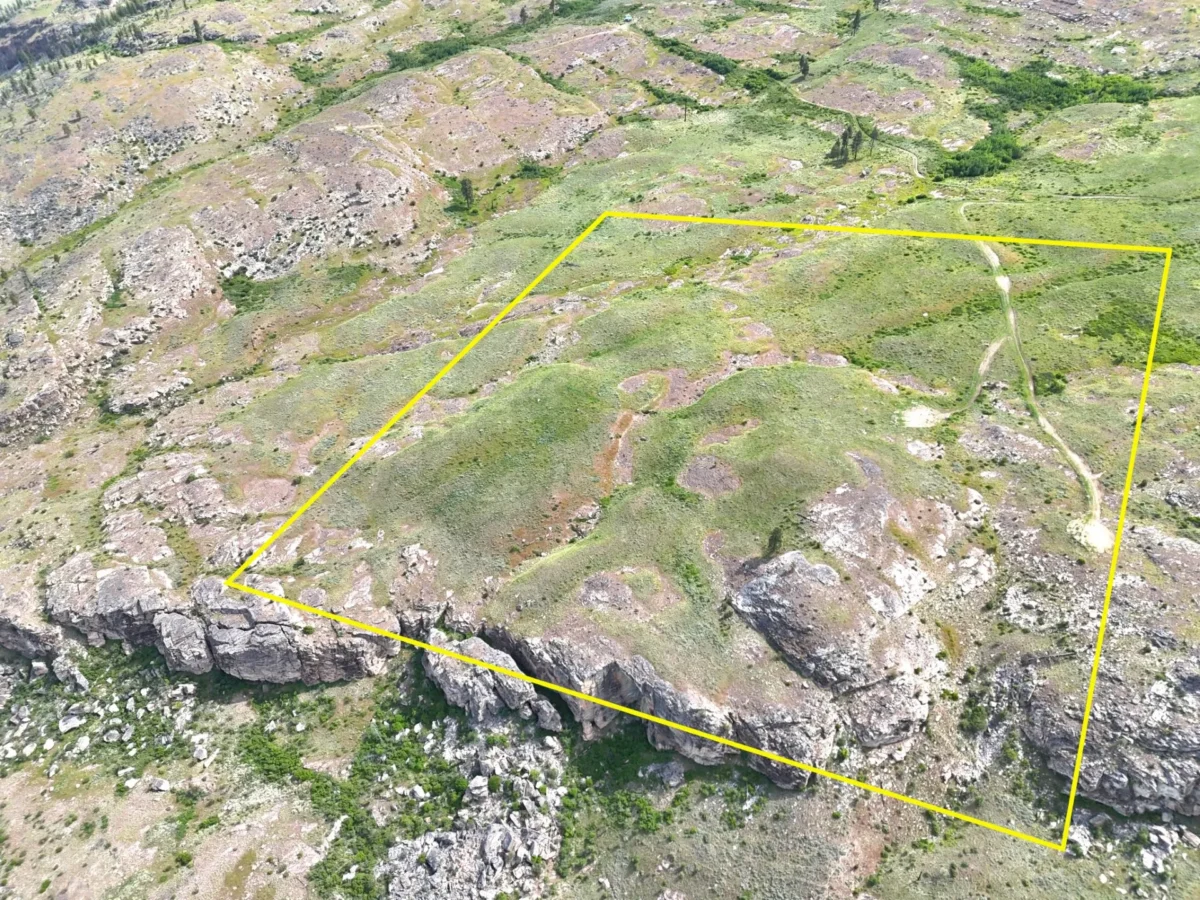
A rustic short-term rental in rural Washington begins with permission, safe development, and a realistic operating plan—not a listing-platform forecast. A cabin, yurt, tiny house, treehouse, or campsite may look well suited to guests and still be prohibited or require permits. Before buying land or ordering a structure, identify the exact jurisdiction and ask whether the proposed structure, occupancy, and nightly-rental use are allowed on that parcel. For the broader purchase checklist, see our Washington State land-buying guide.
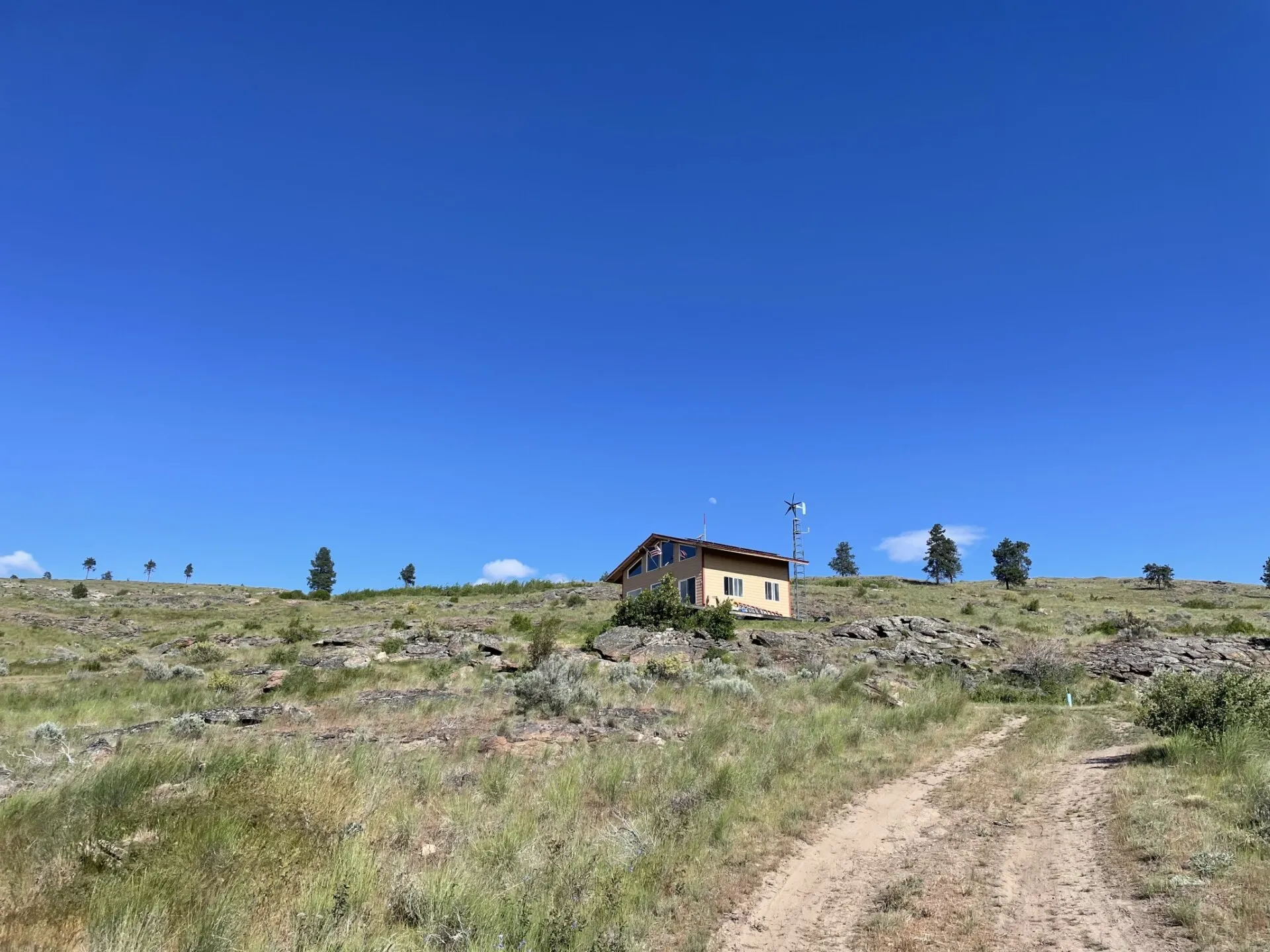
Separate three approvals: land use, structure, and lodging operation
First, verify zoning and land use. Counties and cities decide where short-term rentals are permitted and may regulate owner occupancy, number of units, parking, fire safety, noise, occupancy, local contacts, business licensing, and renewals. The Municipal Research and Services Center’s Washington examples show that local approaches vary from conditional-use review to licenses and minimum standards. Platform availability does not override a local code, permit condition, subdivision covenant, lease, or homeowners-association restriction.
Second, verify the structure. Calling a unit “off-grid,” “temporary,” or “tiny” does not make it exempt from zoning, building, electrical, sanitation, or fire rules. Washington Labor & Industries explains that a tiny house is a dwelling no larger than 400 square feet and must be built to the Washington State Building Code; the approval route depends on where it is built. Local placement approval still matters. A site-built cabin, factory-built unit, recreational vehicle, and platform tent can follow different rules, so describe the product precisely to local staff.
Third, verify the lodging business. The Washington Department of Revenue says owners renting homes, rooms, cabins, campsites, or RV sites for fewer than 30 consecutive days may need to register and may owe retail sales, lodging, and other taxes depending on location. Confirm the current tax and business-license treatment rather than assuming a marketplace handles every obligation.
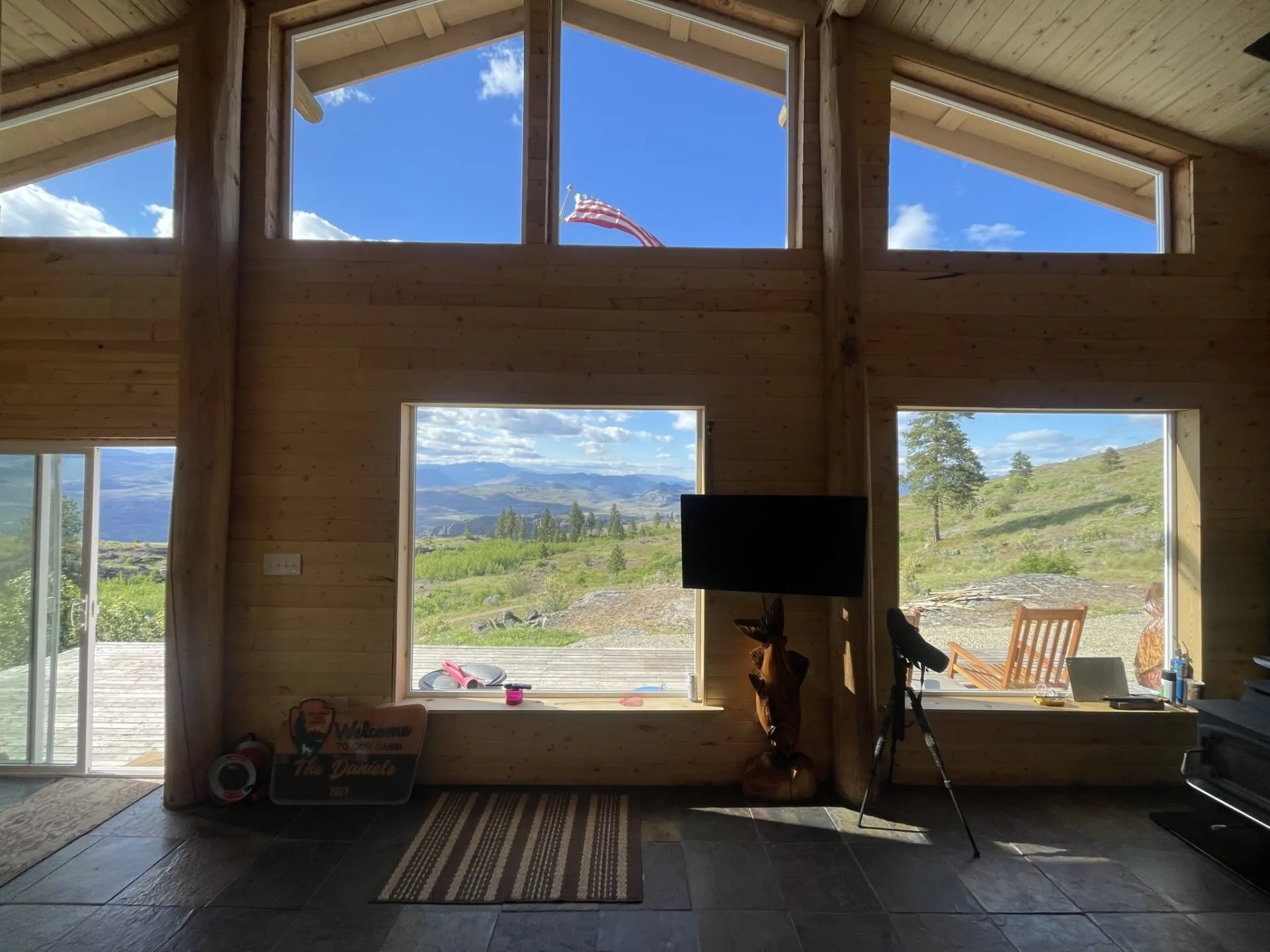
Test the site before designing the guest experience
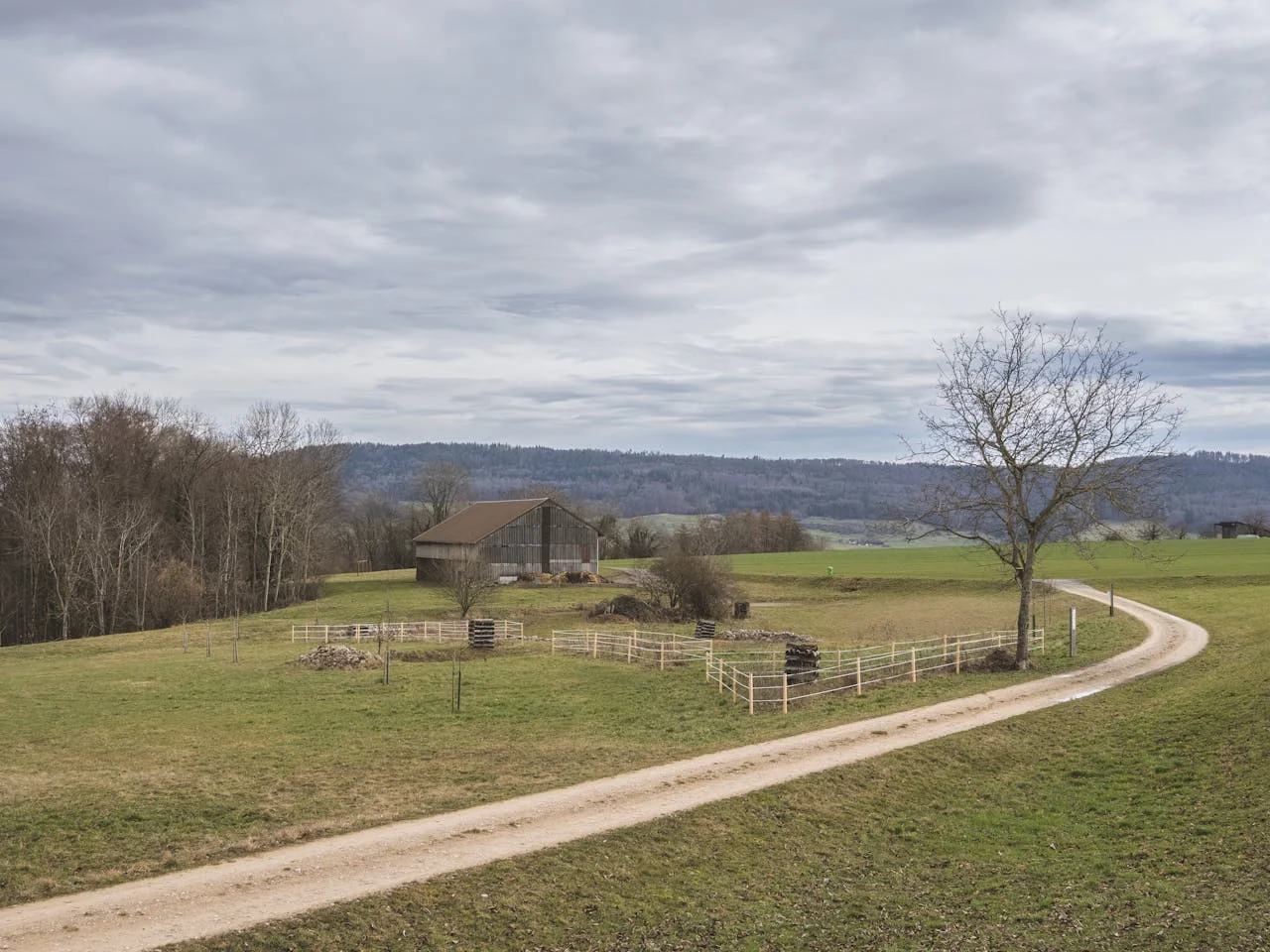
Legal access and all-season physical access are essential. Review title, recorded easements, surveys, private-road agreements, gates, winter maintenance, and emergency response. A remote road that works for a four-wheel-drive owner may not be appropriate for guests, fire apparatus, septic installation, or construction deliveries. Describe road conditions accurately and never imply access across neighboring or public land without a verified right.
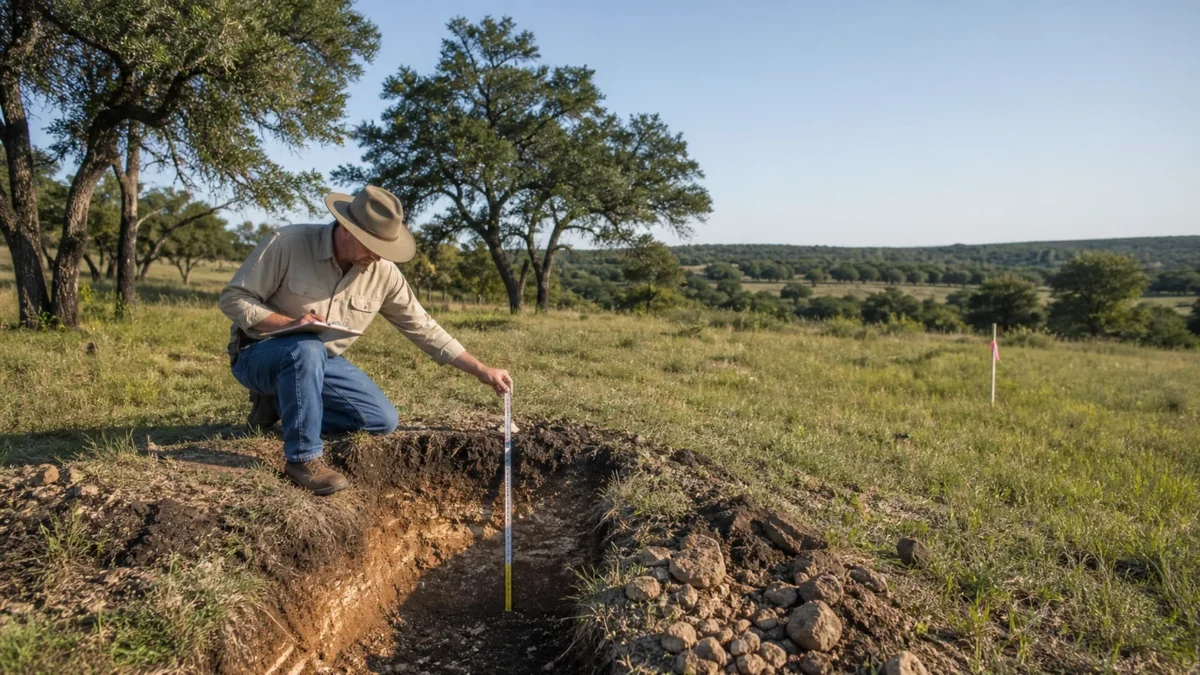
Water and wastewater can control both development and occupancy. Ecology’s groundwater guidance explains that limited permit-exempt uses remain subject to state water law and additional local requirements. A well must be evaluated for legal availability, construction, yield, and quality. If no sewer is available, contact the local health jurisdiction about septic design, reserve area, setbacks, and the proposed number of guests. Composting toilets or hauling water do not automatically eliminate health or land-use requirements.
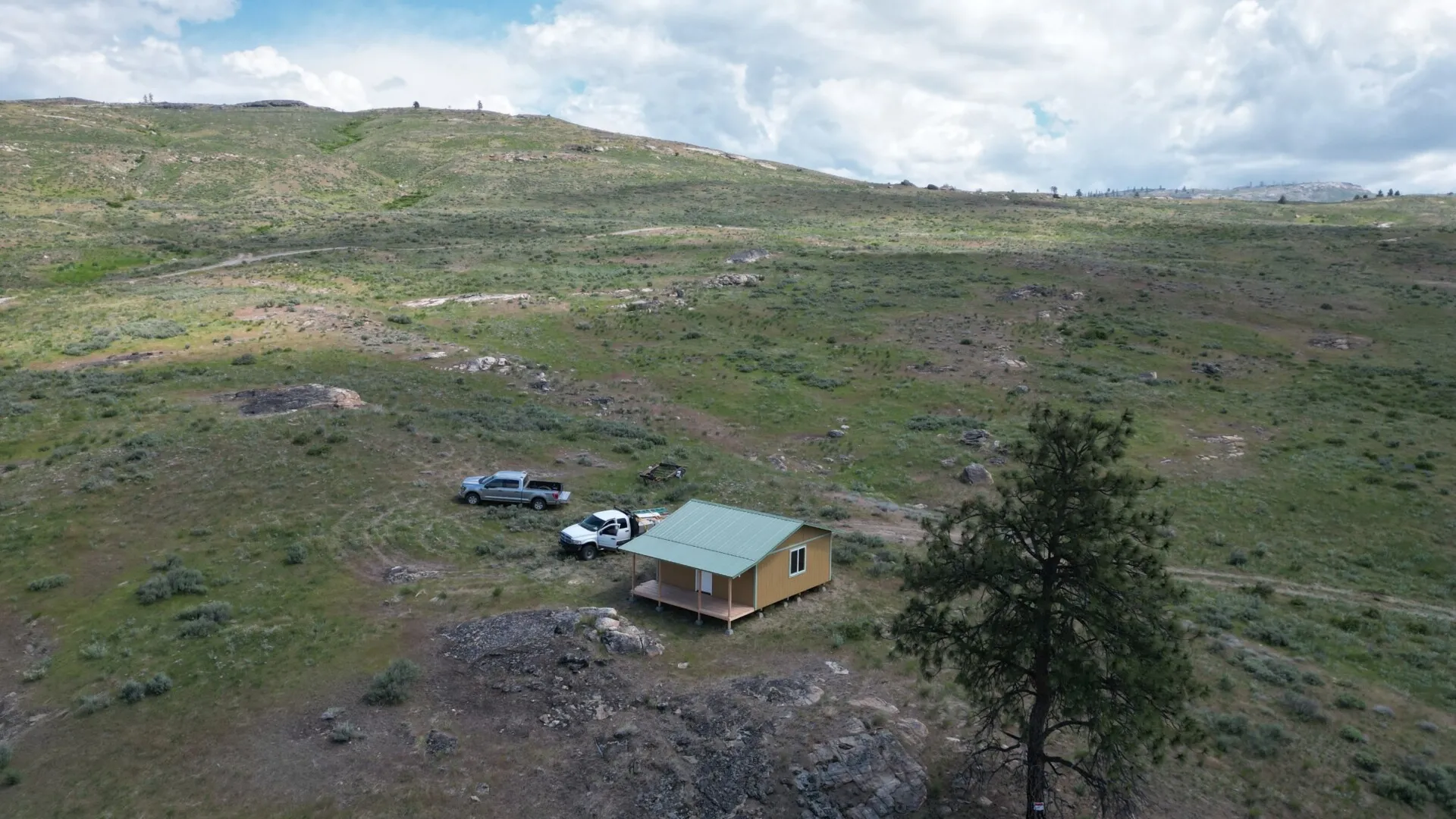
Screen wetlands, floodplain, shoreline jurisdiction, steep slopes, wildfire exposure, and habitat constraints before choosing a building pad. Okanogan County provides a useful example: its Planning Department says site analysis may review wetlands, steep slopes, riparian and wildlife areas, parking, and setbacks, while its Building Department publishes current permit materials and a nightly-rental statement. This does not establish rules elsewhere; it shows why the controlling county or city must review the exact proposal.
Build an operating plan without occupancy promises
A production-ready plan should use written cost estimates for access work, power or alternative energy, water, septic, fire protection, insurance, cleaning, waste removal, communications, repairs, taxes, and permit renewals. Obtain an insurance quote that expressly covers the proposed lodging use. Ask emergency-service providers about address assignment and response constraints. Confirm broadband or cellular performance on site instead of relying on a coverage map.
Market research can inform—but not guarantee—pricing or demand. Compare legally operating rentals with similar seasonality, access, amenities, and rules. Model conservative, base, and stress cases using documented costs. Do not present a particular occupancy rate, nightly rate, or return as an expected outcome. Weather, wildfire closures, road conditions, competition, platform policies, and local rules can change.
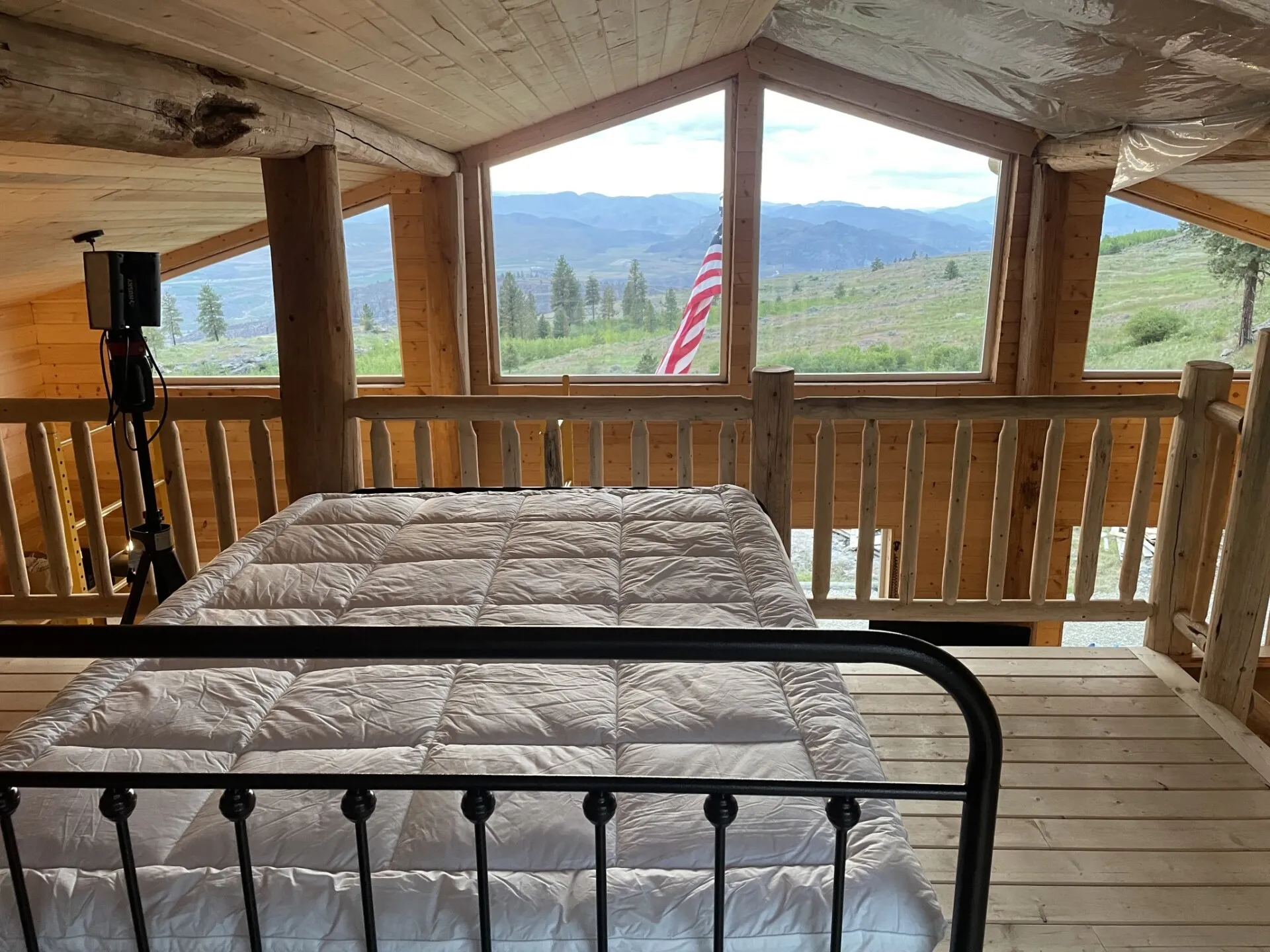
Guest communication and low-impact operations
If approvals are obtained, write a listing that is specific about road surface, vehicle needs, stairs, water, bathroom type, heating, cooking, pets, quiet hours, fire restrictions, wildlife, cell service, and emergency procedures. Provide boundaries and parking instructions without suggesting guests may enter neighboring land. Use durable waste storage and follow burn bans. A rustic experience should still have lawful occupancy, sanitation, egress, smoke and carbon-monoxide protection, and a reliable local response plan.
Build a parcel-specific go/no-go worksheet before purchasing. Record the planning department’s written response, the permitted structure type, access and parking standards, fire and emergency requirements, water and wastewater findings, utility costs, insurance terms, taxes, cleaning and management expenses, and realistic comparable listings. Recheck rules and costs before construction or launch. A scenic site can still be unsuitable when legal use, safe occupancy, infrastructure, or operating economics do not work together.
Start with parcel feasibility, then compare current land listings.