Video overview: The video frames utility planning around power, water, wastewater, and other services; the written guide below supplies the parcel-specific provider, capacity, permit, timing, and cost cautions. Published on the Elegment Land YouTube channel September 17, 2024. The recording date was not published or verified. Source reviewed August 26, 2026.
Getting utilities to an RV lot begins with verification, not installation. Identify the electric, water, wastewater, gas, and communications providers that actually serve the parcel; ask whether capacity is available; then obtain written connection or extension estimates. A line, pole, meter, hydrant, or neighboring well nearby does not prove that your lot can connect or that the work will be inexpensive.
Direct answer—water and electricity for an RV lot: Identify the providers serving the exact parcel, confirm capacity and connection requirements, and obtain written estimates before assuming either service is available or affordable. Use the RV-lot buying checklist to verify legal use, access, wastewater, costs, and physical fit alongside utility planning.
Define the RV setup first
Tell each provider and permitting office what you plan to do: occasional parking, seasonal stays, full-time occupancy, one RV, multiple pads, a future home, or a commercial park. Service sizing and approvals can change with the use. Verify zoning or other land-use controls, deed restrictions, association rules, driveway access, floodplain constraints, and whether RV occupancy is allowed before spending on infrastructure.
Make a simple site plan showing boundaries, access, the proposed pad, electrical pedestal, water line or well, wastewater area, structures, drainage, and easements. Keep alternatives open until the relevant authorities review setbacks and conflicts. A well, drain field, power easement, floodway, and driveway may compete for the same usable ground.
Electric service
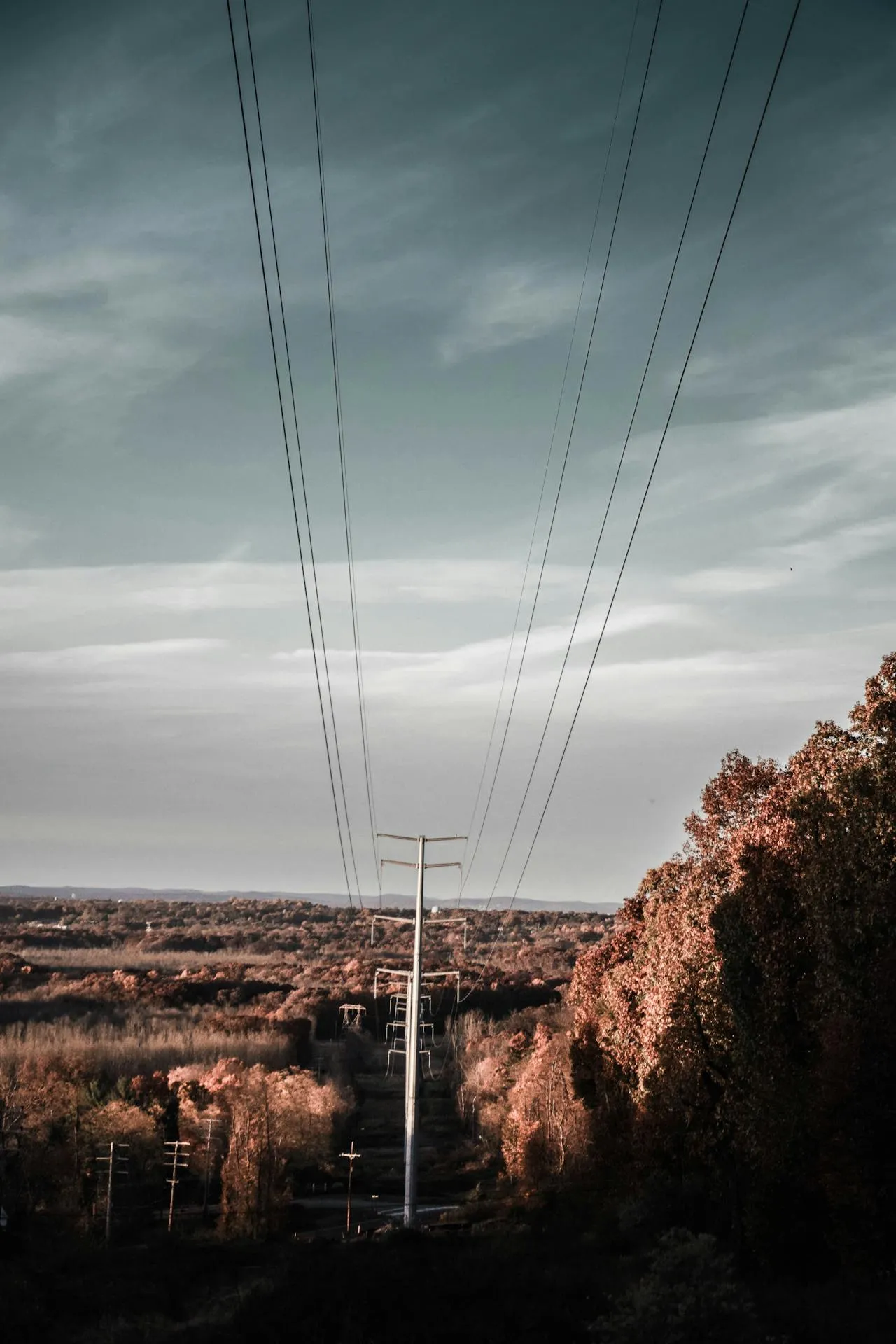
Identify the retail provider, transmission or distribution utility, municipal utility, or electric cooperative for the exact address. In Texas, the Public Utility Commission’s electric directories help identify market participants, but boundaries and service eligibility still require provider confirmation. Ask about available voltage, transformer capacity, meter location, easements, trenching, poles, customer-supplied equipment, inspections, deposits, lead time, and extension charges.
Have a licensed electrician size the service for the RV and any future loads. Air conditioning, electric water heating, pumps, heat tape, workshops, and future structures can materially affect the design. Do not install an improvised household extension cord or assume an existing pedestal is safe; verify grounding, overcurrent protection, receptacle type, and local inspection requirements.
Solar, batteries, or a generator can supplement or replace grid power, but they require an energy budget and site-specific design. Account for seasonal solar production, shade, battery autonomy, generator fuel and noise, equipment location, fire safety, permits, maintenance, and replacement. “Off-grid” does not remove land-use, electrical, or wastewater rules.
Water service or a private well
If a public system is nearby, ask the utility whether the parcel is inside its service territory, whether a tap or meter is available, what line extension is required, and who pays for roads, easements, engineering, pressure improvements, and inspections. Get the quote in writing and ask whether it expires.
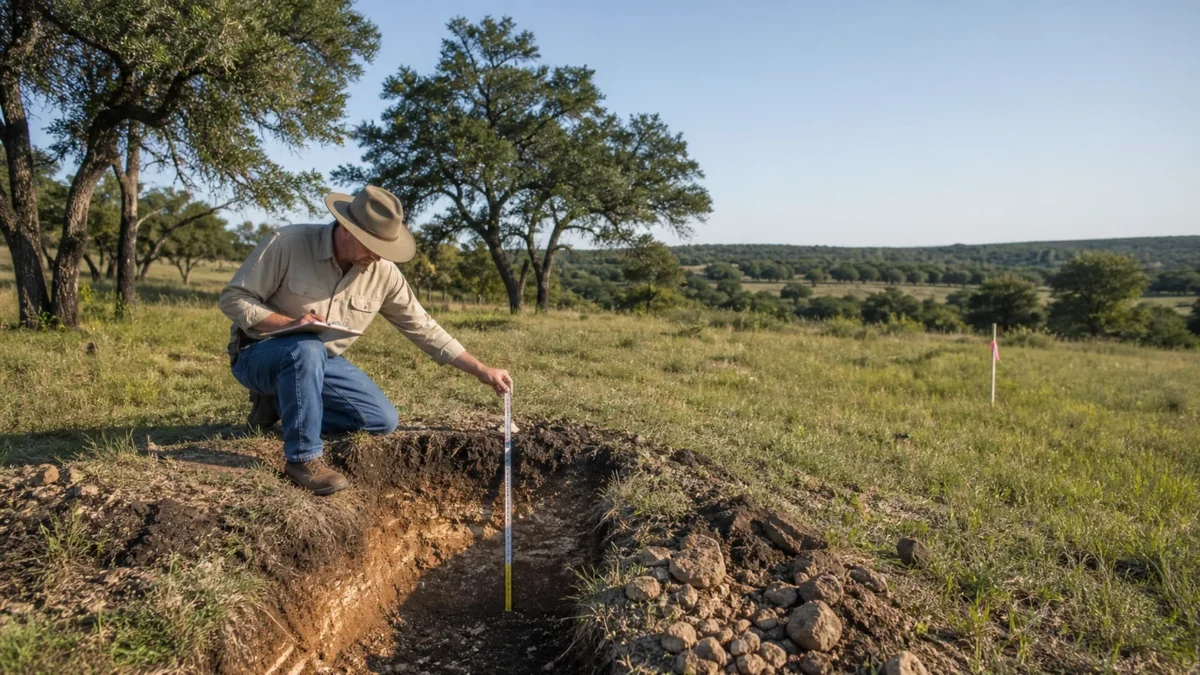
Where a private well is possible, nearby records are useful context but not a promise of depth, yield, or quality. The Texas Water Development Board’s groundwater database contains selected well records and cautions users to consider data accuracy and suitability. Confirm drilling rules, groundwater-district requirements, setbacks, access for a rig, pumping equipment, storage, treatment, testing, and power. Budget for both construction and ongoing sampling and maintenance.
Sewer, septic, and RV wastewater
Ask the sewer utility whether connection is available and mandatory, where the main is located, whether gravity service works, and what tap, extension, lift, road-cut, engineering, and monthly charges apply. Do not discharge black or gray water to the ground, a storm drain, or an unapproved pipe.
In Texas, an on-site sewage facility is commonly called an OSSF. TCEQ says an OSSF generally requires a permit and approved plan, and the site must be evaluated before construction, installation, alteration, extension, or repair. Its OSSF permit guidance explains that counties, cities, river authorities, and other local authorized agents often administer programs and may adopt more stringent local requirements. Ask the correct local authority about the evaluator, designer, installer, inspections, setbacks, usable area, capacity, maintenance contract, and whether the proposed RV use can connect. See TCEQ’s system-selection guidance for the evaluation requirement and system-suitability factors.
There are limited statutory circumstances in which a Texas permit may not be required, including qualifying single-family residences on tracts of ten acres or more that meet every condition in Texas Health and Safety Code Section 366.0515. That is not a universal “ten-acre exemption,” and it may not fit an RV lot, multiple units, a subdivision, a nuisance condition, or a system that cannot meet the specified separation. Confirm the parcel and design with the local authorized agent before relying on any exception.
Propane and communications
Propane can serve cooking, heating, or a generator where permitted. Ask a licensed supplier about tank ownership or lease, delivery access, placement, protection, clearances, permits, and recurring charges. For internet, check the actual address with providers. The FCC National Broadband Map is a starting point, but reported coverage should be confirmed with an orderability check and, when service matters, a site test for cellular or fixed wireless options.
Build a parcel-specific utility budget
Include utility extension and ongoing service costs when comparing the tradeoffs between buying and renting an RV lot.
- Provider availability and capacity letters or emails.
- Tap, meter, transformer, pole, trench, road crossing, easement, and inspection costs.
- Well, pump, storage, treatment, testing, and replacement allowance.
- Sewer connection or OSSF evaluation, design, permit, installation, inspection, and maintenance.
- Electrical pedestal, licensed labor, propane, internet equipment, and backup power.
- Contingency for rock, groundwater, long runs, redesign, and provider lead times.
Do not close the purchase on the assumption that every utility can be installed. Where the plan depends on service, consider appropriate written due-diligence and feasibility protections with qualified local real-estate and legal professionals.
Want water and power already at the road? See our land for sale with utilities.
Official resources
Official and legal sources reviewed August 26, 2026. Recheck provider directories, groundwater data, OSSF requirements and exceptions, broadband availability, and local authority requirements before relying on them.