A ranchette is an informal term for a smaller rural property that may combine a home with limited agricultural or recreational space; it has no universal legal acreage threshold. A ranchette can support animals, gardens, leased grazing, or a small farm activity only when the parcel and local rules support that use—and those uses do not guarantee income. The practical question is whether a specific parcel can support a specific plan after rules, infrastructure, labor, demand, and full costs are verified. Treat every income idea as something to test carefully, not a promise attached to the land.
What is a ranchette, and what is it for?
A ranchette plan usually combines rural residence with limited agricultural or recreational space. That differs from an owner-occupied home chosen mainly for daily living, a rental property operated for tenants, an agricultural property expected to support commercial production, or a homestead organized around household food, skills, and self-provisioning. One parcel may accommodate more than one role, but each role needs separate legal, physical, and budget review.
List the primary use and one or two optional uses. Then ask the county or municipality whether a dwelling, livestock, farm stand, event activity, short-term rental, additional structures, employees, customer traffic, or product processing is allowed. Review recorded covenants too; permissive zoning does not erase private restrictions.
Evaluate pasture leasing as a contract, not passive income
Leasing grazing can be reasonable where forage, water, fencing, handling access, and local demand align. A written agreement should identify the parties and parcel, term, payment method, permitted animals, stocking approach, water, fencing and repairs, weed control, access, insurance, biosecurity, improvements, emergency procedures, termination, and responsibility for damage. Have local legal and insurance professionals review the arrangement.
Stocking capacity is not a fixed number based only on acreage. Forage species, soil, rainfall, drought, season, pasture condition, grazing method, and animal needs all matter. The University of Minnesota Extension’s pasture rental and lease guidance explains that pasture management affects stocking rates. Build a parcel-specific grazing plan with local Extension or NRCS assistance and include a drought trigger that reduces animals before the land is damaged.
Test crop ideas against the site and market
Some crops may have shorter production cycles, but timing varies with the crop, cultivar, climate, and production method—and a short crop cycle does not guarantee quick turnover or profit. Before planting, identify actual buyers, expected grades and packaging, delivery distance, competing supply, seasonality, loss rates, labor, cooling, storage, irrigation, soil amendments, equipment, and food-safety requirements. Run a small pilot and keep production and sales records before expanding.
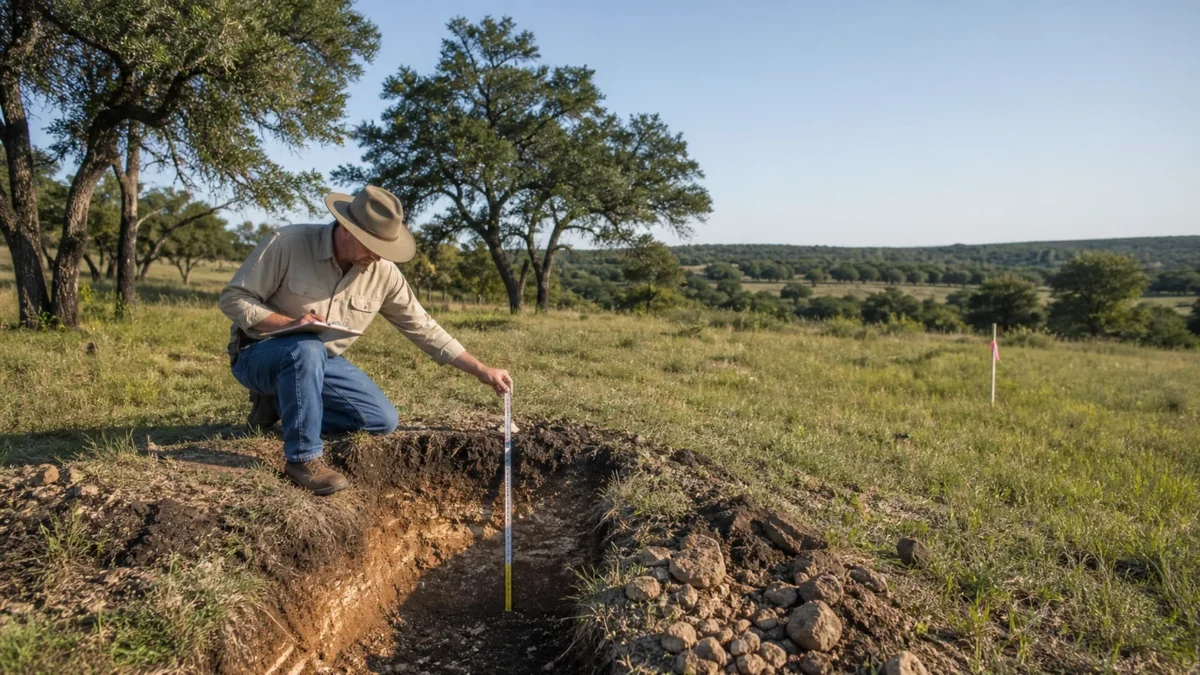
Use USDA NRCS soil-survey information to screen soil properties, crop and forage potential, erosion, wetness, and limitations. A map is not a substitute for field inspection or soil testing. If produce will be sold, review federal, state, and local requirements. FDA says the Produce Safety Rule establishes minimum standards for covered growing, harvesting, packing, and holding activities and includes coverage rules and exemptions that must be evaluated for the operation.
Plan livestock around capacity and care
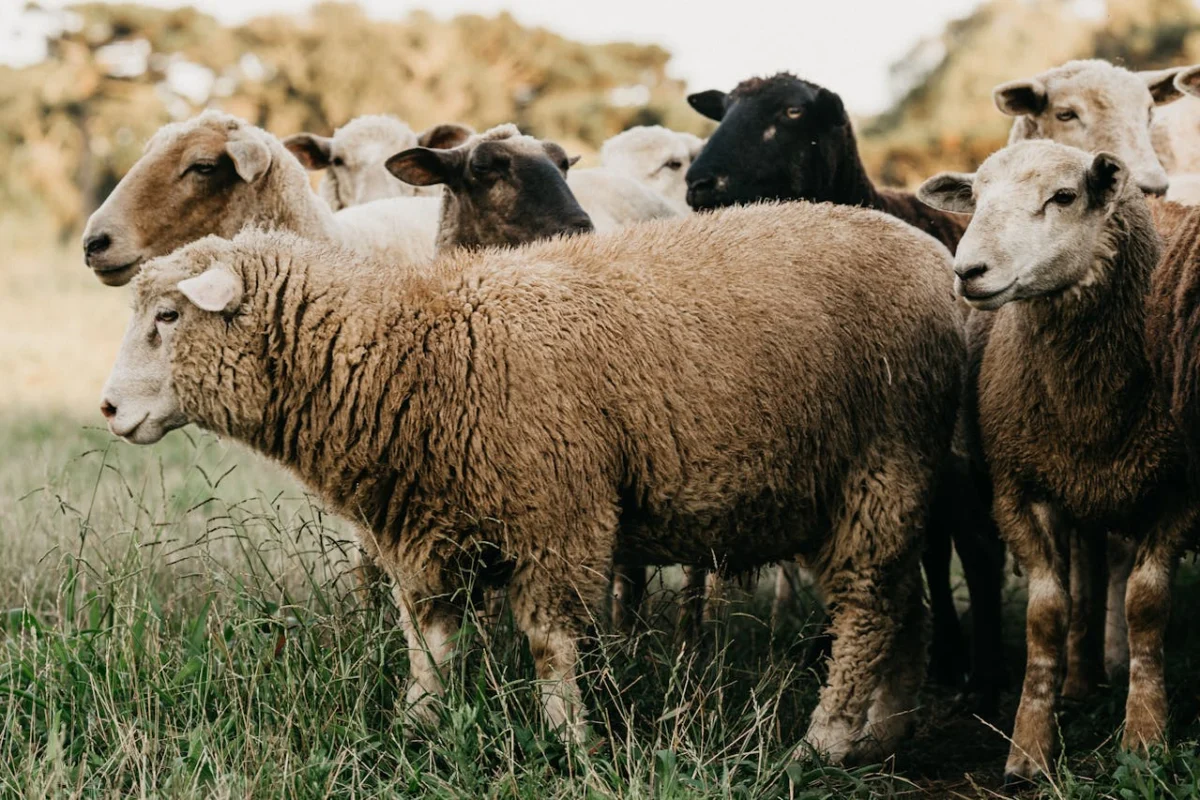
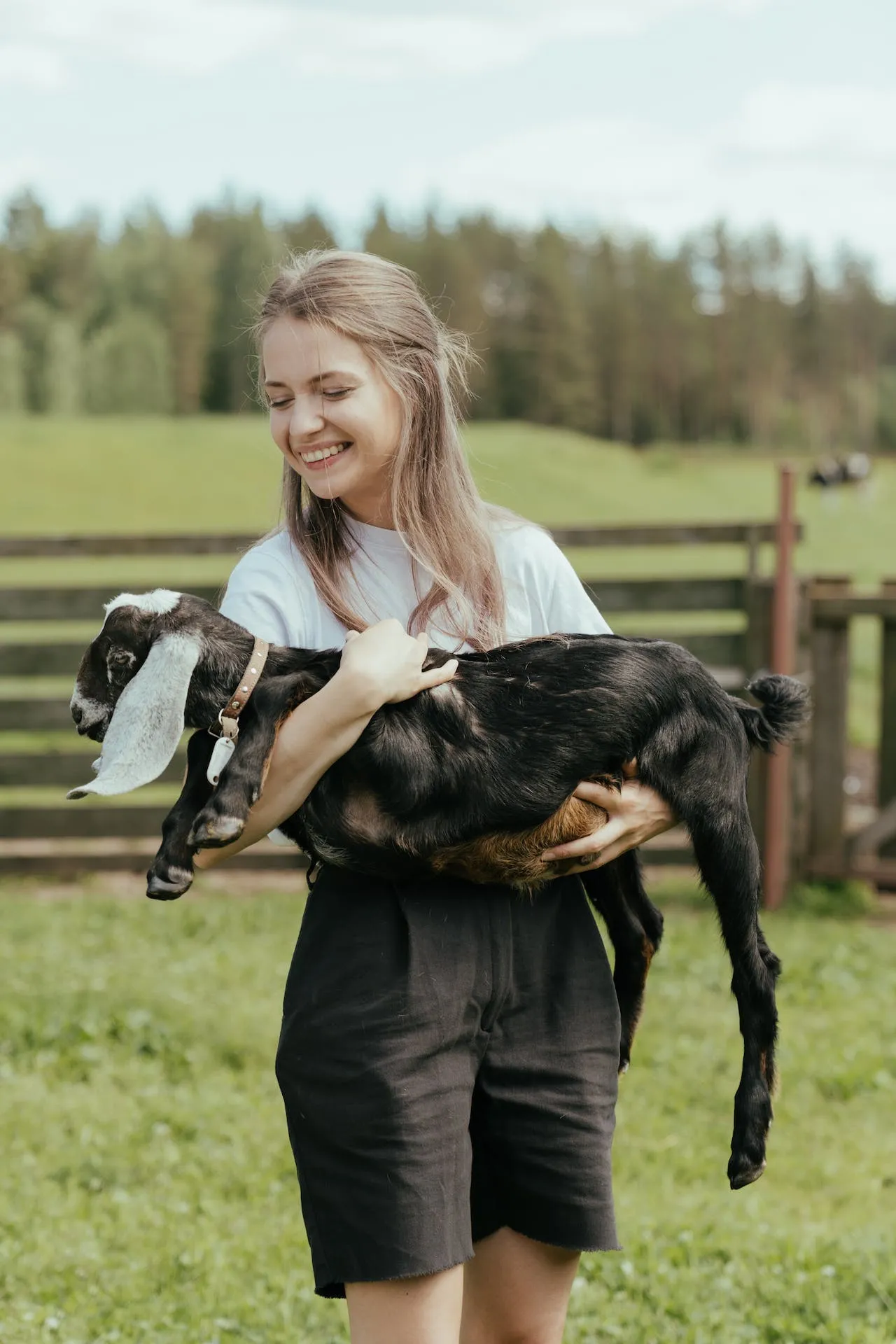
Chickens, sheep, goats, cattle, and dairy animals have different space, feed, fencing, shelter, handling, predator-control, manure, veterinary, and labor requirements. Do not choose species from a generic “best livestock” list. Start with local use rules and nuisance standards, then match the animals to climate, forage, available water, caretaker experience, veterinary access, and a conservative annual operating budget.
Dairy or food processing adds equipment, sanitation, cold-chain, licensing, and marketing questions. Breeding and meat production add their own health, processing, transport, and sales constraints. Before buying animals, obtain local guidance on stocking, animal health, premises identification if applicable, carcass disposal, manure management, and emergency plans. USDA’s Beginning Farmers and Ranchers portal directs new producers to business planning, local Service Centers, financing information, conservation support, and market resources.
Consider services only after checking permission and demand
Boarding, workshops, farm stands, storage, events, or equipment services may sound compatible with rural land. They can also introduce customer traffic, parking, accessibility, sanitation, fire safety, noise, insurance, licensing, and neighbor concerns. Obtain written land-use guidance and insurance review, interview prospective customers, and price every required improvement before treating a service as viable.
Keep household and business plans separate. An owner-occupied ranchette should still work as a home if projected business revenue is delayed or never materializes. A dedicated rental plan needs landlord and rental analysis. A commercial agricultural plan needs a production and market budget. A homestead plan may prioritize household use over cash sales. These distinctions prevent a hopeful side activity from carrying the entire purchase decision.
Complete parcel due diligence before committing
- Title and survey: verify ownership, liens, exceptions, easements, mineral or other reserved interests where relevant, boundaries, encroachments, and the legal description with qualified title and survey professionals.
- Legal and physical access: confirm recorded access, road standards, maintenance duties, gates, seasonal conditions, trailers, deliveries, and emergency vehicles.
- Zoning and covenants: verify residences, animals, agriculture, sales, rentals, events, structures, setbacks, and permits with the governing offices and recorded restrictions.
- Water: verify legal availability, well or connection feasibility, capacity, quality testing, livestock and irrigation demand, storage, drought exposure, and operating cost.
- Wastewater: confirm permitted septic or sewer options for the proposed buildings and uses. EPA notes that local programs commonly conduct site assessments and set setbacks; see its septic-system guidance.
- Utilities and hazards: obtain provider quotes for power and communications, investigate drainage, wildfire and environmental constraints, and use FEMA flood maps as one part of site review.
- Budget: include purchase and closing, professional reports, driveway, fencing, water, wastewater, utilities, structures, equipment, permits, insurance, taxes, feed or inputs, labor, maintenance, reserves, and contingency.
Test the plan in stages
- Feasibility: Can the parcel legally and physically support the primary use?
- Demand: Is there verified local demand at a price customers will actually pay?
- Money after costs: What remains after direct costs, labor, losses, maintenance, insurance, and reserves?
- Backup plan: Can the household carry the property if revenue is lower or later than planned?
- Pilot: Can you test the idea at small scale before major infrastructure spending?
For more context on the property type, read the ranchette living and land-buying guide.