Choosing among residential property types starts with a simple question: what do you need the property to do? A home for your household, a long-term rental, an agricultural operation, a homestead, and a ranchette are different plans. They call for different financing, infrastructure, management, and due-diligence checks. Rather than asking which type is “best,” define the use first and test each candidate against the same written checklist.
Start with the intended use
Owner-occupancy puts daily livability first: commute, services, safety, maintenance, monthly carrying costs, and whether the home and site work for your household. Rental ownership adds landlord duties, vacancy risk, repairs, insurance, local rental rules, and a realistic operating budget. Agricultural use depends on soil, water, access, fencing, stocking or production capacity, markets, and applicable operating rules. A homestead may combine a residence with gardens, animals, workshops, or alternative utilities. A ranchette is generally a smaller rural residential property with room for some agricultural or recreational activity, but the label itself does not establish what is legally or physically possible.
Write down the primary use, any secondary uses, the minimum improvements required, and the maximum all-in budget. If a plan depends on short-term rental income, livestock, a second dwelling, a home business, or future construction, treat that activity as unconfirmed until the appropriate local office and recorded documents support it.
Single-family homes
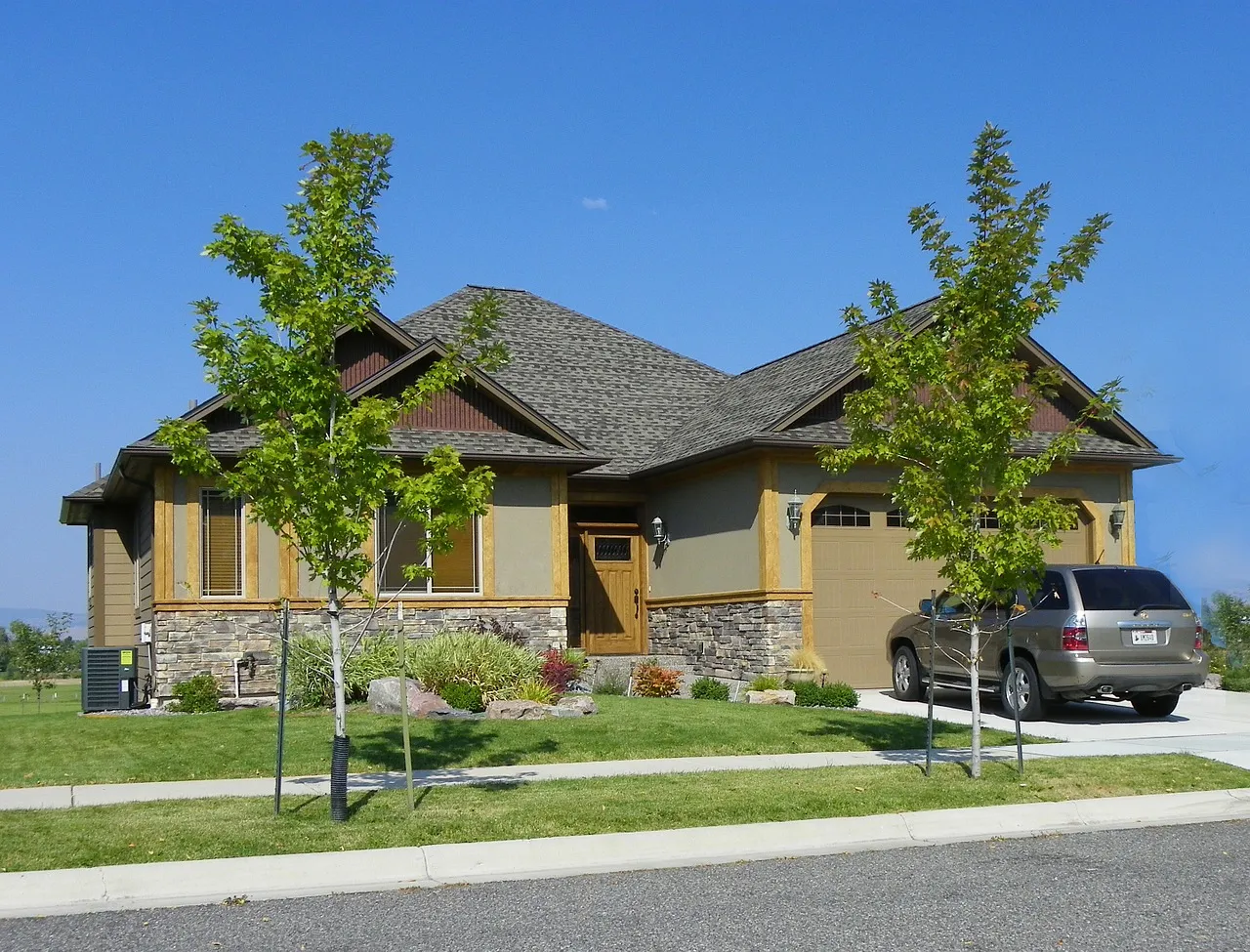
A detached single-family home can fit an owner who wants privacy and control over the building and yard. It can also be operated as a rental where local rules, financing, insurance, and the owner’s plan allow. The tradeoff is concentration: one major repair affects the whole property, and one vacancy can remove all rent from that asset. Compare roof, foundation, heating and cooling, water and wastewater, insurance, taxes, association obligations, and near-term capital work—not just the payment.
Apartments and larger multifamily properties
Several units in one location can centralize maintenance, leasing, and vendor visits. They also bring shared systems, more tenant relationships, fire and building requirements, and a more involved operating budget. Do not assume an apartment property is easier to finance or that its value will move in a predictable way. Ask a lender how it classifies the property, then review leases, rent history, utility responsibility, insurance, deferred maintenance, code compliance, and reserves with qualified professionals.

Two- to four-unit homes
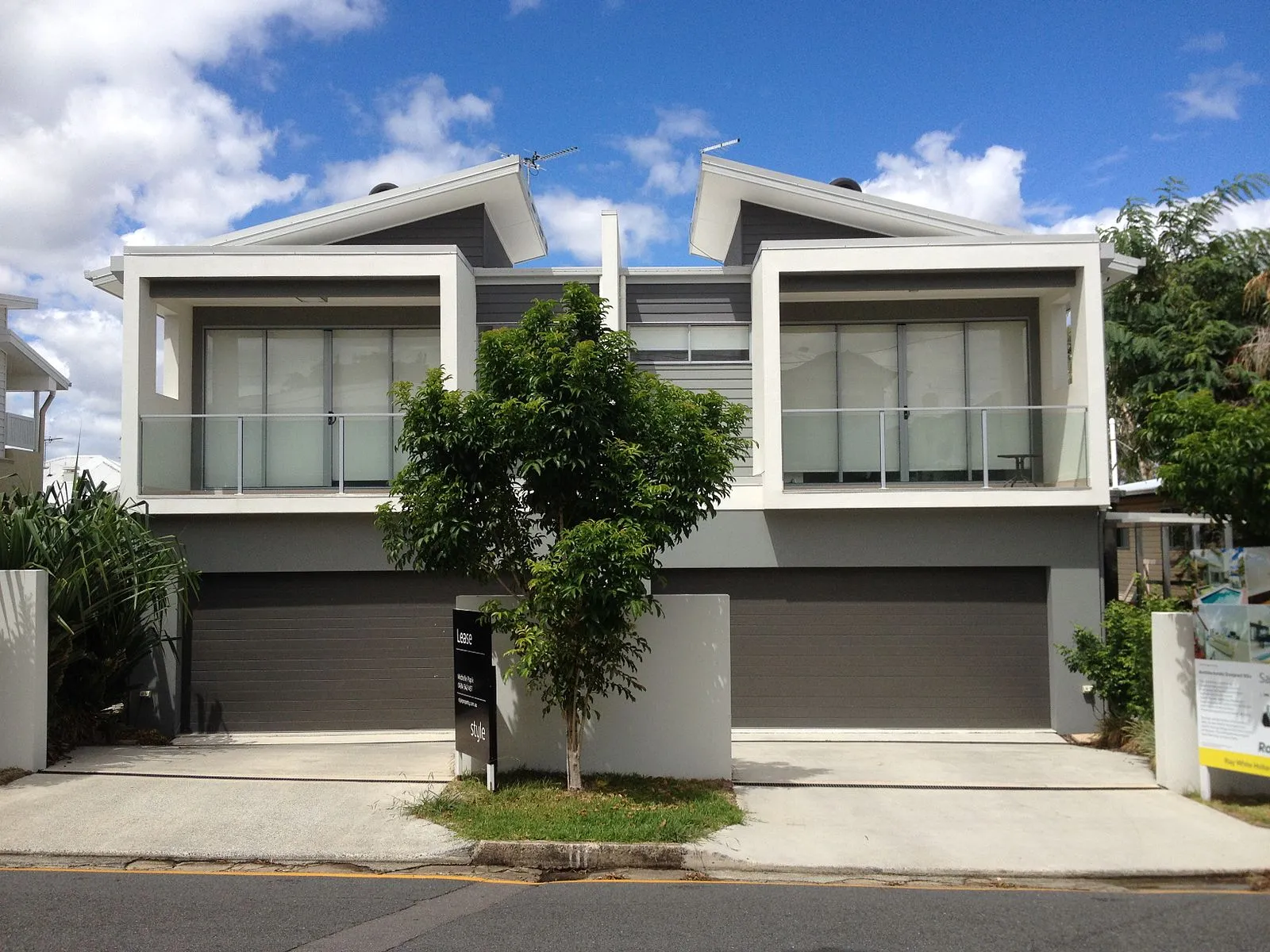
A duplex, triplex, or fourplex may support owner-occupancy in one unit and rental of the others, sometimes called house hacking. That is a housing strategy, not free housing: rent can be interrupted, expenses can exceed estimates, and the owner still has legal, maintenance, and financing obligations. FHA’s current handbook describes its Single Family programs as generally limited to one- to four-family properties used as an owner-occupied principal residence, but actual eligibility depends on the borrower, property, program, and current lender review. Read the current HUD FHA Single Family Housing Policy Handbook and confirm terms directly with lenders.
Vacation and short-term-rental homes
A second home may serve personal recreation, occasional rental use, or both. Those are distinct plans. Verify municipal and county short-term-rental rules, permits, occupancy limits, taxes, association covenants, lender conditions, insurance, cleaning, management, seasonality, and emergency access. Build the decision around conservative occupancy and full expenses; do not rely on advertised nightly rates or a single strong season.

Residential land, homesteads, and ranchettes
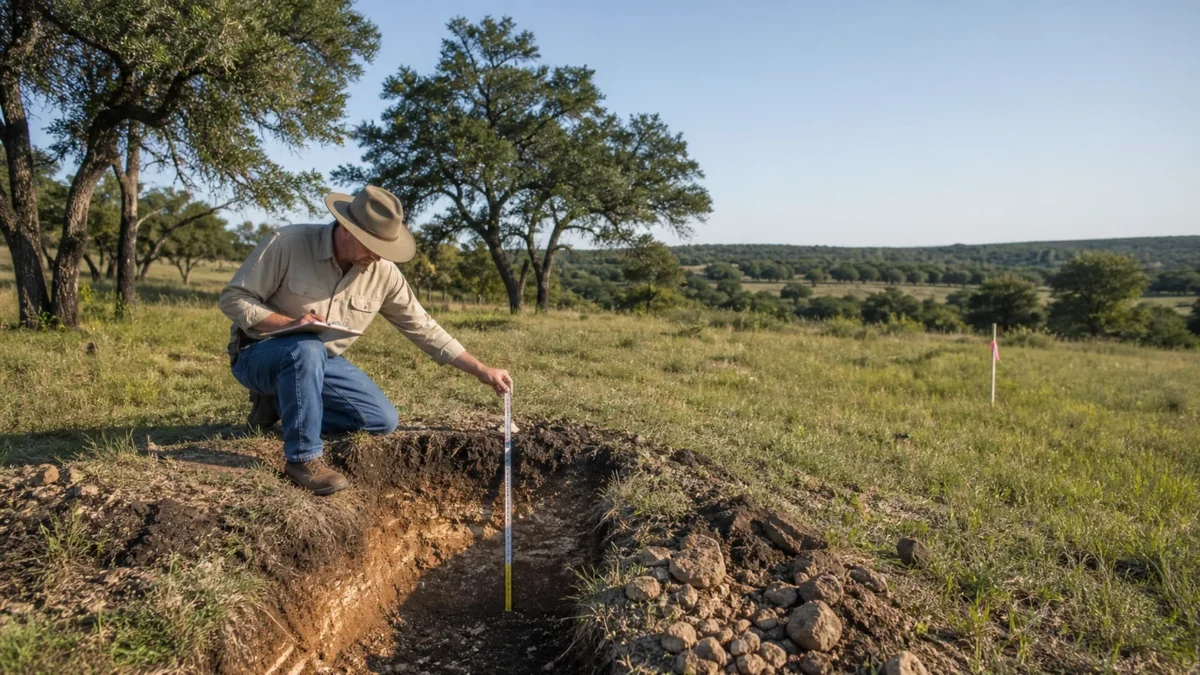
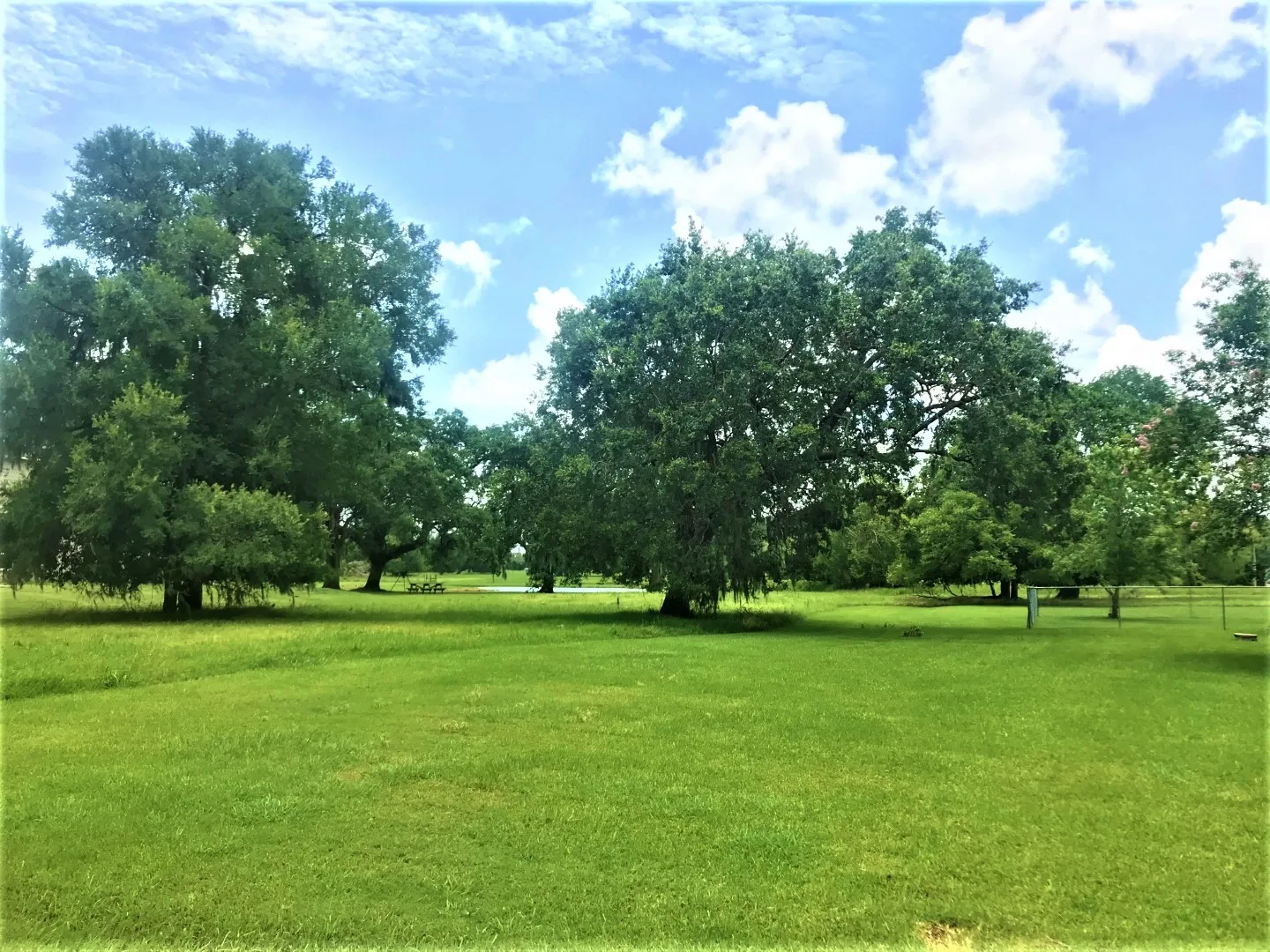
Vacant land can offer design flexibility, but the purchase price is only the starting point. A road, driveway, survey, site work, power extension, well or water connection, septic or sewer, permits, and construction can materially change the budget. USDA NRCS says soil surveys can identify limitations affecting homesites, septic absorption fields, foundations, crops, forage, flooding, and water tables. Use the NRCS soil-survey guidance as an early screen, then obtain the parcel-specific field evaluations required for the project.
EPA explains that local permitting agencies commonly assess whether soil can treat wastewater and set required setbacks; confirm the current process with the local health or environmental authority through the EPA septic-system overview. FEMA also cautions that there is no “no-risk zone.” Check the parcel and proposed building area in the official FEMA flood-map resources, then ask local officials about drainage, wildfire, wetlands, and other mapped or site-specific constraints.
A parcel-specific verification checklist
- Ownership and boundaries: verify title, liens and exceptions, obtain an appropriate survey, and reconcile the deed’s legal description with what is on the ground.
- Access: confirm legal access in recorded documents and practical, year-round physical access, including maintenance responsibility and emergency-service constraints.
- Use rules: obtain written confirmation of zoning, subdivision rules, covenants, rental restrictions, agricultural or animal limits, setbacks, and required permits.
- Water and wastewater: verify the legal and physical water source, quantity and quality testing, well or connection requirements, and site-specific septic or sewer feasibility.
- Utilities and hazards: get provider quotes for electricity, gas, communications, and extensions; investigate flood and environmental constraints rather than relying on listing language.
- Budget: include acquisition, closing, financing, insurance, taxes, professional reports, improvements, operations, maintenance, reserves, and contingency. If your mortgage transaction includes a Closing Disclosure, use CFPB’s explainer to compare the final loan terms, closing costs, and cash to close with what you expected; ask the lender or closing professional which documents govern other transaction types.
To compare available land by location and intended use, browse current Elegment Land properties.
Ready to build? See our residential land and homesites for sale.