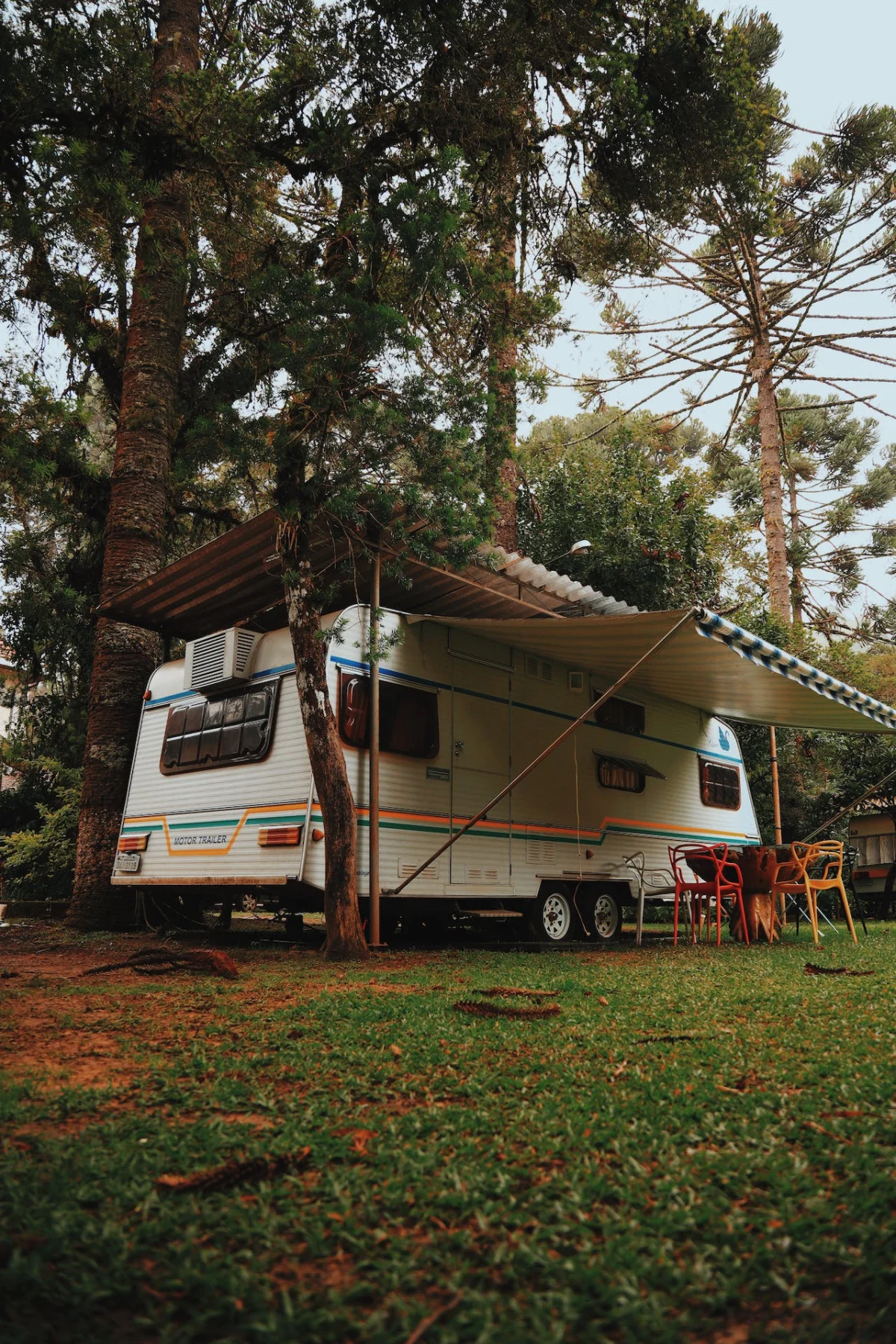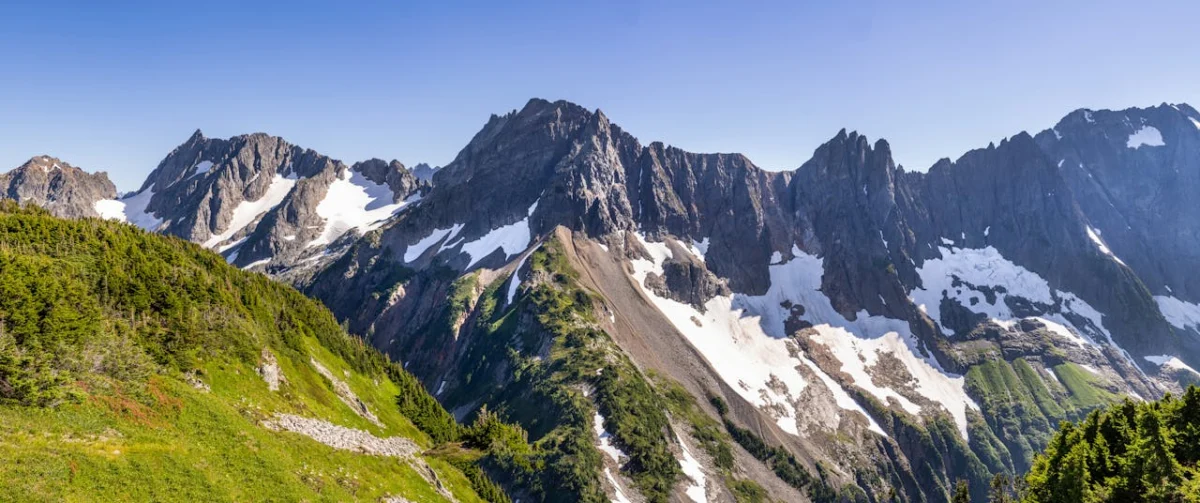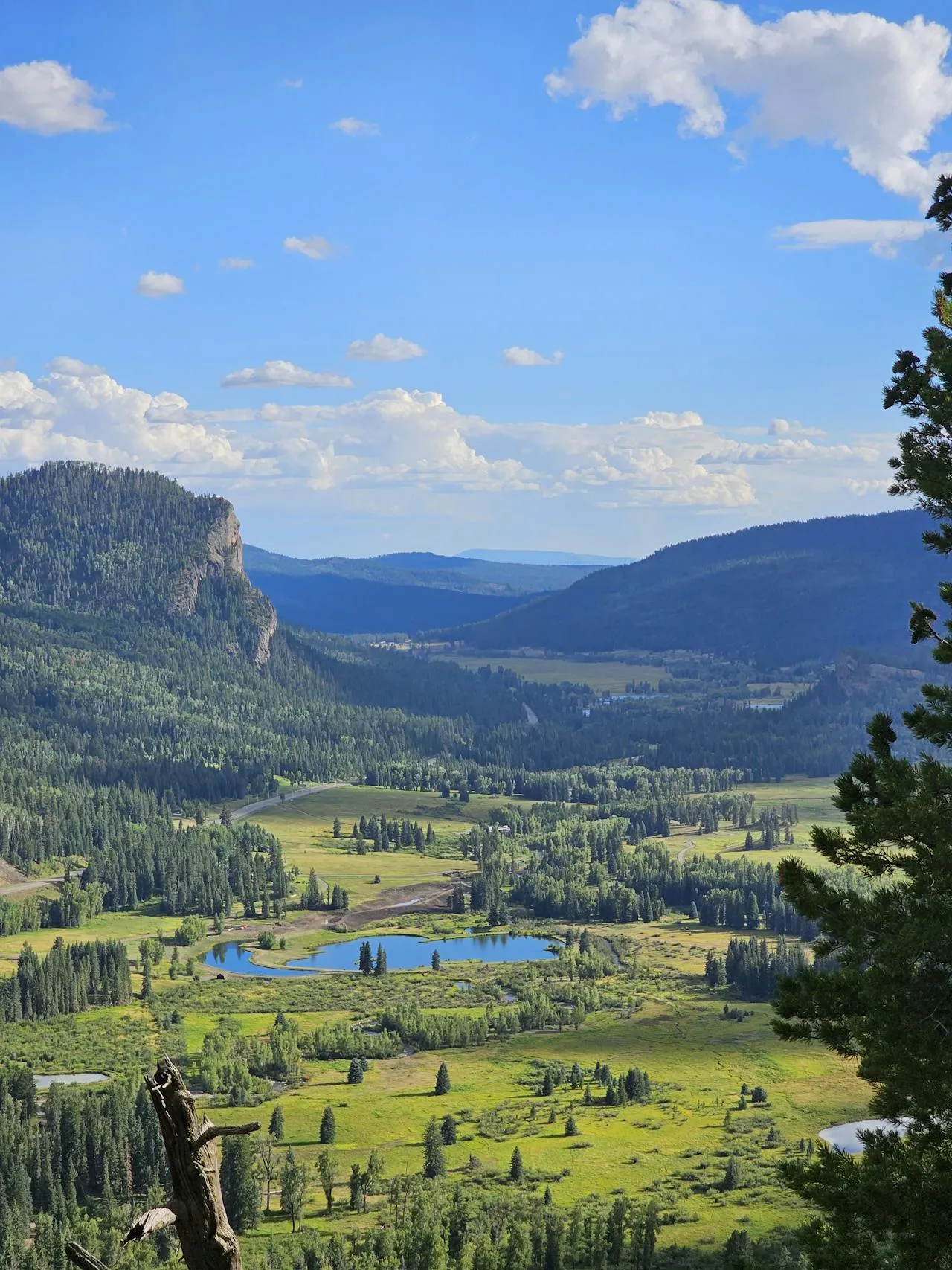
San Luis Valley living can mean open skies, working farms, small communities, and quick access to remarkable public lands. It can also mean cold nights, long drives, water constraints, and parcel-by-parcel utility planning. The right question is not whether the valley is “easy.” It is whether a specific property fits your plan after the important facts are verified. For the parcel-purchase sequence, see our San Luis Valley land-buying guide.
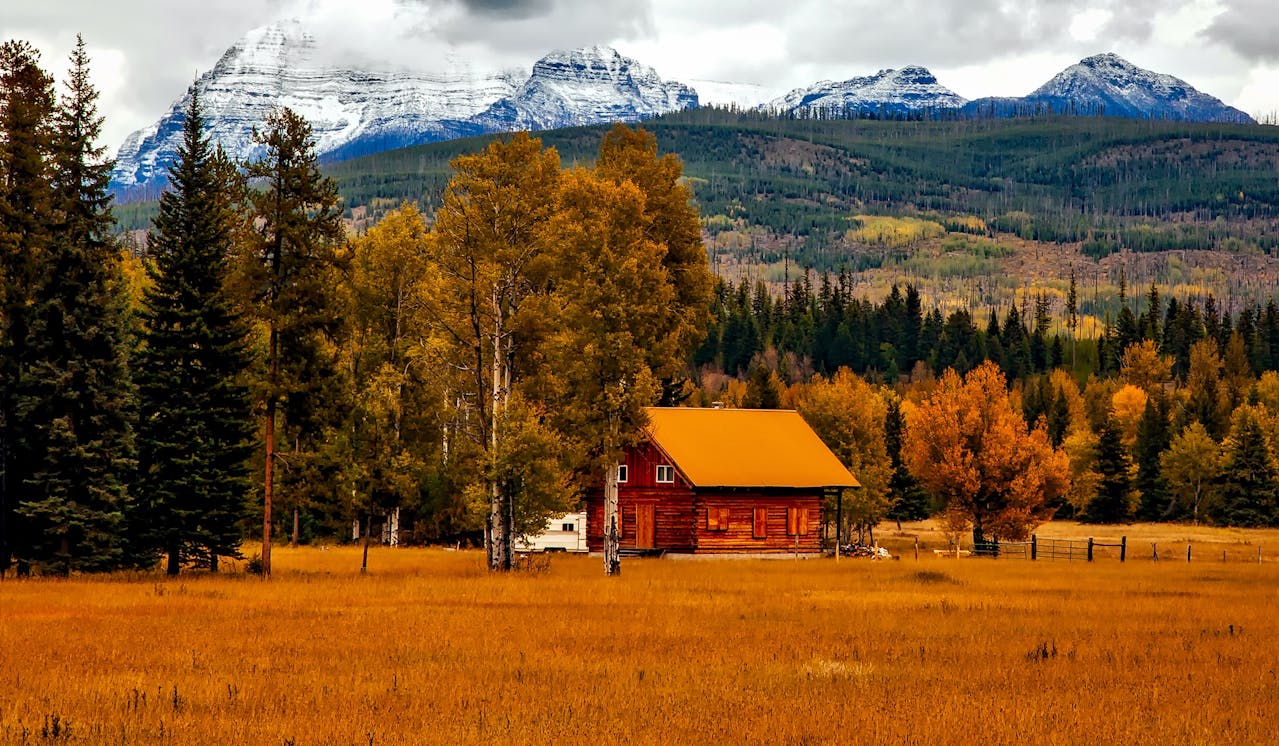
Agriculture depends on the parcel and its water
The valley has a strong agricultural identity, including potatoes, barley, alfalfa, and other crops. That regional history does not make every vacant parcel productive farmland. Soil, slope, salinity, frost, wind, acreage, equipment access, permitted use, and the cost and legal availability of irrigation all matter.
Review the deed, title commitment, county records, soil information, and water documents before planning a farm or homestead. If a water right is advertised, identify the exact decree, priority, source, amount, use, place of use, and any shares or ditch-company obligations. Ask a Colorado water attorney or qualified professional to review material water-right claims.
Water is a legal and practical constraint
Do not assume that groundwater is abundant, that a well permit is automatic, or that domestic use includes irrigation. The Colorado Division of Water Resources (DWR) well-permitting page explains that permits are used for new and replacement wells and that special basin rules may apply. DWR’s permit file can show allowable uses and available construction or pump records for an existing well.
Search the DWR well-permit database and compare the result with the parcel, deed, seller disclosures, and physical equipment. A permit record is not a promise of current yield or water quality. For an existing well, consider a licensed inspection, flow or recovery testing, and appropriate laboratory testing. For vacant land, confirm permit eligibility and expected drilling, power, storage, treatment, and maintenance costs before relying on a well.
Building rules vary by county and site
The San Luis Valley spans multiple counties and jurisdictions. Zoning, minimum lot standards, dwelling types, setbacks, driveway permits, building codes, wastewater review, floodplain requirements, and inspection practices can differ. Use the Colorado government contact directory to identify the parcel’s actual county, then contact its planning and building offices with the parcel number and a written description of your intended use.
Confirm whether the lot is legally created and buildable for the proposed use. Ask about manufactured or modular homes, RV occupancy, accessory structures, home businesses, agricultural buildings, and temporary living during construction. Septic feasibility depends on site and agency review; a vacant lot should not be marketed as septic-ready without supporting approval.
Utilities may require an off-grid plan
A power line nearby does not prove a connection is available or affordable. Obtain a written estimate from the serving electric utility for line extension, transformer work, easements, trenching, and timing. Verify cellular service on site and ask internet providers for an address-specific serviceability check. If propane, solar, batteries, a generator, or hauled water are part of the plan, price the complete system and winter operation.
Road access deserves the same care. Identify whether the route is public, private, or supported by a recorded easement. Determine who maintains it, whether snow removal is available, and what happens during mud, drifting snow, or washouts. Emergency-service response and delivery access can be very different from an in-town property.
High elevation shapes everyday life
Elevation, dry air, strong sun, wind, and large temperature swings affect daily planning. The National Weather Service 1991–2020 Alamosa normals show a January average of 16.8°F and a July average of 65.3°F, while individual sites and years vary. Visit in more than one season and verify winter access, heating demand, drifting, and exposure for the exact parcel. Building design, insulation, foundations, plumbing protection, snow loads, backup heat, and water storage should follow current site-specific code and professional design.
Review current forecasts and local climate information through the National Weather Service Pueblo office. Ask neighbors and service providers about conditions on the specific road. Building design, insulation, foundation, plumbing protection, snow loads, backup heat, and water storage should be evaluated for the site and current code.
Taxes, incentives, and appreciation are not guaranteed

Compare the current tax record with the expected use after purchase. A prior agricultural classification, exemption, or valuation may not continue. Verify eligibility, deadlines, rollback or recapture exposure, special districts, and assessments with the county assessor and treasurer. Grants, loans, tax credits, and business programs have rules and limited funding; treat them as possible only after the administering agency confirms eligibility in writing.
Land values can rise or fall. Compare recent, relevant sales and account for access, water, utilities, buildability, carrying costs, and resale time. A low asking price may reflect missing infrastructure or a use limitation rather than a bargain.
A practical move-to-the-valley checklist
- Confirm legal access, boundaries, title exceptions, and the intended use.
- Verify zoning, permits, codes, wastewater, and lot legality with the correct jurisdiction.
- Research water rights and well eligibility through DWR and qualified advisers.
- Get written utility and road-maintenance information.
- Visit in different conditions and plan for altitude, cold, wind, sun, and snow.
- Build a budget for infrastructure, maintenance, taxes, insurance, and travel.
Official resources
- Colorado DWR well permitting
- Colorado DWR well-permit search
- Colorado DWR well-permit map viewer
- Colorado DWR water-rights information
- National Weather Service Pueblo
- Colorado official state web portal: Colorado local-government contact directory
- Colorado Department of Public Health and Environment: On-site wastewater treatment systems
- National Weather Service: Alamosa climate normals and extremes
The San Luis Valley rewards people who arrive with clear expectations. Let the landscape inspire the move, then let parcel records, agency answers, field inspections, and a realistic budget shape the decision.