Video overview: The video introduces four checks reflected in this guide: legal use and access, utilities and wastewater, ownership costs, and physical fit. Published on the Elegment Land YouTube channel September 10, 2024. The recording date was not published or verified. Source reviewed August 26, 2026.
An RV lot can be a favorite getaway, a seasonal base, or simply a place to store and use your RV—but only if the parcel allows the plan and has workable access and services. Start with four checks: location and legal use, utilities and wastewater, ownership costs and financing, and the lot’s physical fit. This guide addresses an individual RV lot for personal use; buying or operating an RV park is a different commercial project with additional approvals and operating risks. If you are still choosing between the two arrangements, compare the tradeoffs between buying and renting an RV lot. Treat views and amenities as bonuses after the fundamentals are verified.
1. Location, access, and permission to use an RV
Choose a broad area around the places you want to visit, then ask a more important question: what kind of RV use is allowed on this exact parcel? Rules may distinguish short visits, seasonal occupancy, full-time living, storage, guest use, or operation of an RV park. Ask the city or county planning and permitting offices for current written guidance and review recorded restrictions and association documents.
Confirm both legal and physical access. Review the title commitment, survey, plat, easements, and road-maintenance arrangements. Drive the approach in the type of RV and tow vehicle you expect to use, noting road width, grades, turns, overhead clearance, bridge limits, gates, mud, and emergency access. If a new or revised driveway connects to a Texas state highway, TxDOT requires an executed driveway permit before work begins in the right of way.
A view is valuable for enjoyment, but it is not guaranteed to remain unchanged. Review neighboring ownership, recorded easements, public plans, and permitted uses without making assumptions about future development or privacy.
2. Power, water, and wastewater
Ask the serving electric utility for written confirmation of availability, extension requirements, meter location, capacity, and a parcel-specific estimate. If you are considering solar or another off-grid system, size it for the RV’s actual loads, climate, shade, storage needs, and backup plan. “Power nearby” does not establish the cost or right to connect.
For water, determine whether a public system can serve the parcel and request its tap, meter, extension, capacity, and connection requirements. If a well is contemplated, use nearby records only as context. The Texas Water Development Board groundwater database offers well, water-level, and water-quality records, but warns that users must check their accuracy and suitability. A licensed driller and the relevant groundwater conservation district can address parcel-specific feasibility and rules.
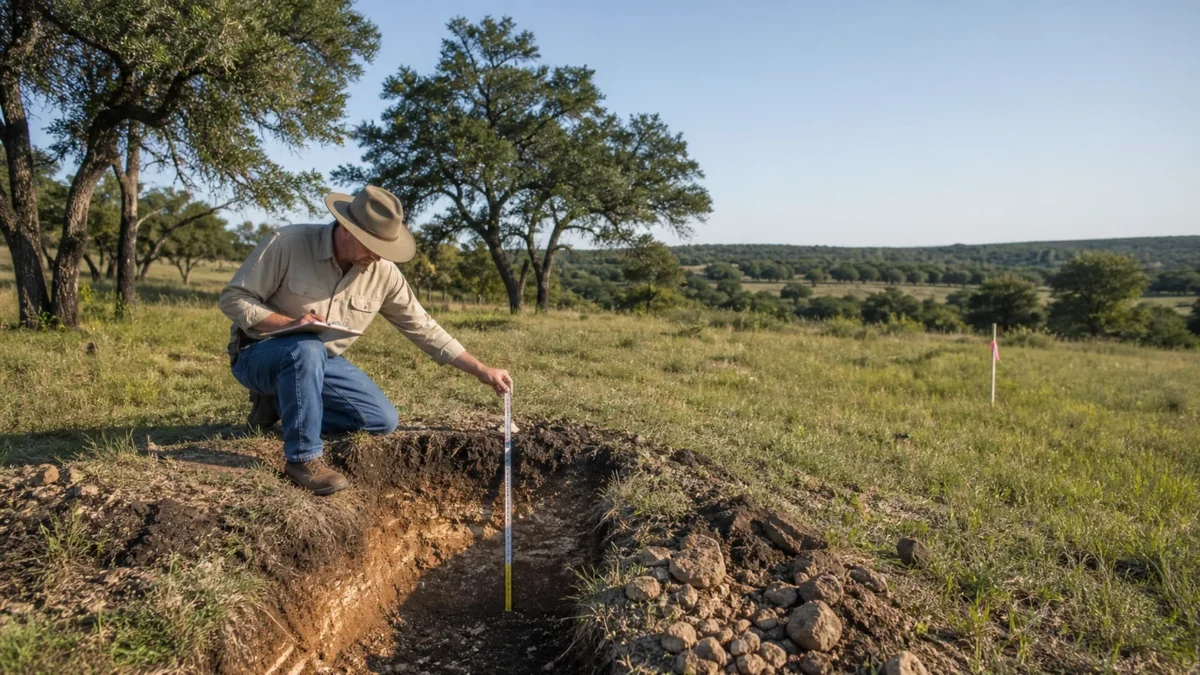
Wastewater deserves an answer before purchase. A sewer provider should confirm service in writing. For septic, TCEQ says on-site sewage facilities generally require a permit and approved plan, and it recommends a site evaluation that includes a lot survey and soil analysis. Local programs may be stricter. An RV holding tank, portable setup, or occasional use does not automatically remove wastewater requirements, so confirm the exact proposal with the local authority.
Screen the building and utility area for flood and drainage issues. FEMA’s Flood Map Service Center is the official source for NFIP mapping products, while the USDA Web Soil Survey can guide soil questions. Neither replaces on-site evaluation, elevation work, drainage design, or permit review.
3. Taxes, association costs, and financing
Create an annual budget for property taxes, association dues, road maintenance, utilities, insurance, mowing or vegetation management, security, storage, and repairs. In Texas, the Comptroller explains that local taxing units set property-tax rates; confirm the current account and tax status with the local appraisal district and tax assessor-collector.
If there is an owners’ association, obtain the complete current declaration, bylaws, rules, fee schedule, budget, financial statements, meeting minutes, insurance information, and any pending assessments. Verify RV size, age, parking, occupancy, rental, guest, pet, improvement, and utility rules. Amenities such as pools, ramps, clubhouses, road service, or laundry should be confirmed rather than inferred from old advertising.
Land and RV-lot financing can differ from a standard home mortgage. Compare down payment, interest rate, amortization, balloon payment, fees, late charges, prepayment terms, taxes, insurance requirements, default remedies, and total cost. For mortgage products covered by its process, the Consumer Financial Protection Bureau recommends comparing written Loan Estimates and lender-controlled costs. For seller financing or other products, have the written documents reviewed by an appropriate professional.
4. Size, layout, and site conditions
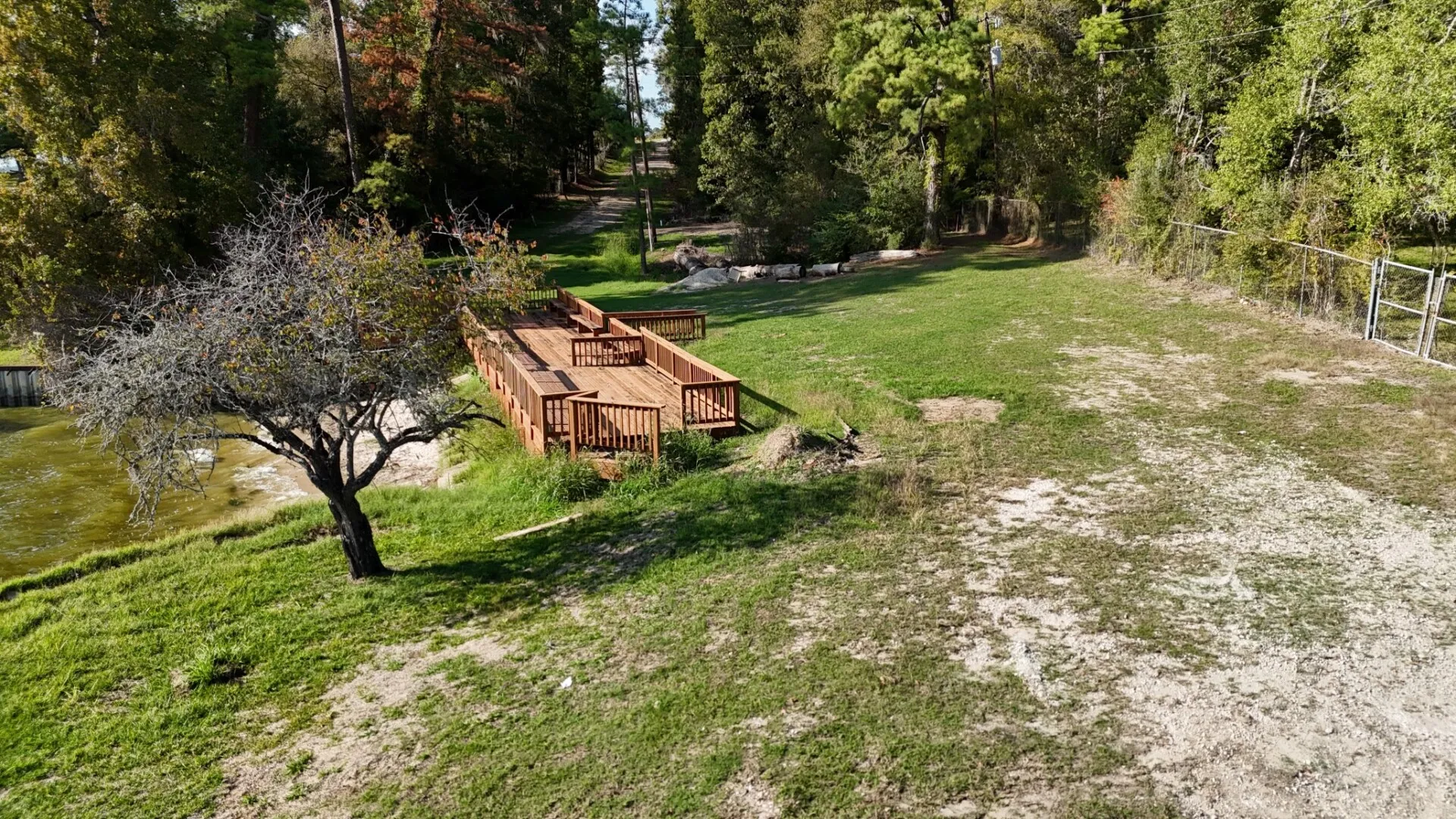
Measure whether the RV, tow vehicle, slide-outs, awning, parking, utility connections, septic area, setbacks, and safe turning movements fit within the usable part of the parcel—not merely the advertised acreage. A current survey can help identify boundaries, easements, encroachments, and access. Walk the site after rain when possible and note drainage, soft ground, erosion, trees, slope, fire exposure, and maintenance needs.
Before committing, verify title, access, zoning or use restrictions, utilities, water, wastewater, flood and environmental constraints, permits, survey and boundaries, and the intended RV use. Obtain written estimates for any pad, driveway, culvert, clearing, power, water, and wastewater work. The right RV lot is the one that fits both your travel plans and a verified, affordable operating plan.
Apply this checklist while comparing current land listings.
Official resources
Official sources reviewed August 26, 2026. Recheck driveway, water, OSSF, flood, soil, property-tax, financing, and RV-park guidance for the parcel and intended use.