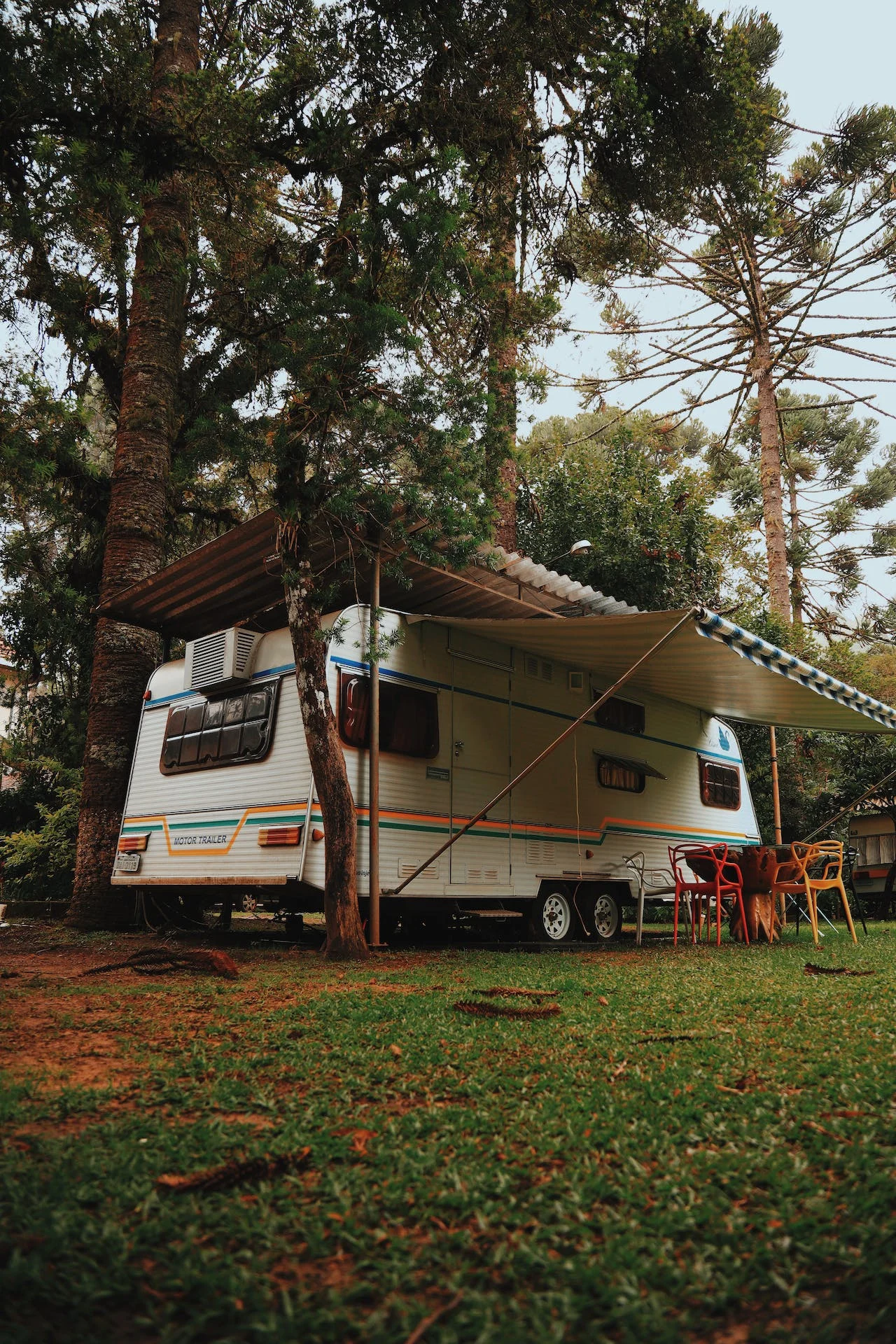
Buying and renting can both be sensible ways to secure an RV site. The better choice depends on how often you travel, how long you expect to stay, how much control you want, and what the specific contract or parcel allows. Buying is not automatically cheaper, and renting is not automatically money wasted. Compare the complete cost, rules, and exit options for the places you are actually considering.
Start with your expected use
Renting often fits travelers who value flexibility, want to try several regions, or do not want to manage land. Ask whether the rate is daily, weekly, monthly, seasonal, or annual; what utilities and amenities are included; whether rates can change; and whether the agreement limits guests, pets, RV age, length of stay, mail delivery, or vehicle storage. A low advertised rate may exclude electricity, deposits, resort fees, or metered services.
Buying may fit someone who returns to one area and wants more control, but ownership does not establish a right to occupy the site year-round, install improvements, or rent it to others. The parcel may be affected by city rules, county requirements, recorded deed restrictions, association documents, campground covenants, utility rules, and permit conditions. Give the parcel address and your exact proposed use—including RV occupancy duration, deck or cover, utility hookups, and any rental plan—to the relevant authorities and association before committing. Use the four-part RV lot checklist for a separate ownership review.
Compare complete costs, not slogans
For a rental, total the base rent, reservation and resort fees, deposits, utilities, storage, pet or guest charges, insurance needs, and travel costs. Read cancellation, renewal, refund, relocation, and eviction terms. A flexible short stay can cost more per night, while a longer agreement can reduce flexibility. Use the written contract rather than assumptions about “typical” RV-park policies.
For a purchase, include price, financing charges, title and closing costs, survey, inspections, taxes, association dues, insurance, maintenance, road obligations, utility installation, and reserves. If financing is offered, compare the payment schedule, interest, balloon terms, default remedies, and total amount paid. The Consumer Financial Protection Bureau’s Loan Estimate guidance explains how standardized mortgage disclosures show rates, payments, and closing costs, but an RV lot or seller-financed land deal may use different documents. Ask the lender or attorney which disclosures and protections apply.
Do not count future appreciation or rental income as certain. Resale can take time, selling costs reduce proceeds, financing for unimproved lots may be limited, and association or local rules may constrain rentals. If income matters to the decision, obtain the current governing documents, verify that the use is allowed, and build a conservative budget for vacancies, management, taxes, insurance, maintenance, and platform fees.
Inspect the site and infrastructure
A rented pad may bundle water, power, and wastewater service; an owned parcel may not. Confirm voltage and pedestal condition, potable-water source and pressure, sewer connection or approved on-site wastewater option, internet coverage, road access, drainage, and emergency access. Ask providers for parcel-specific availability and written extension estimates. A utility line near the property does not prove that service is available at the boundary or that connection will be inexpensive.
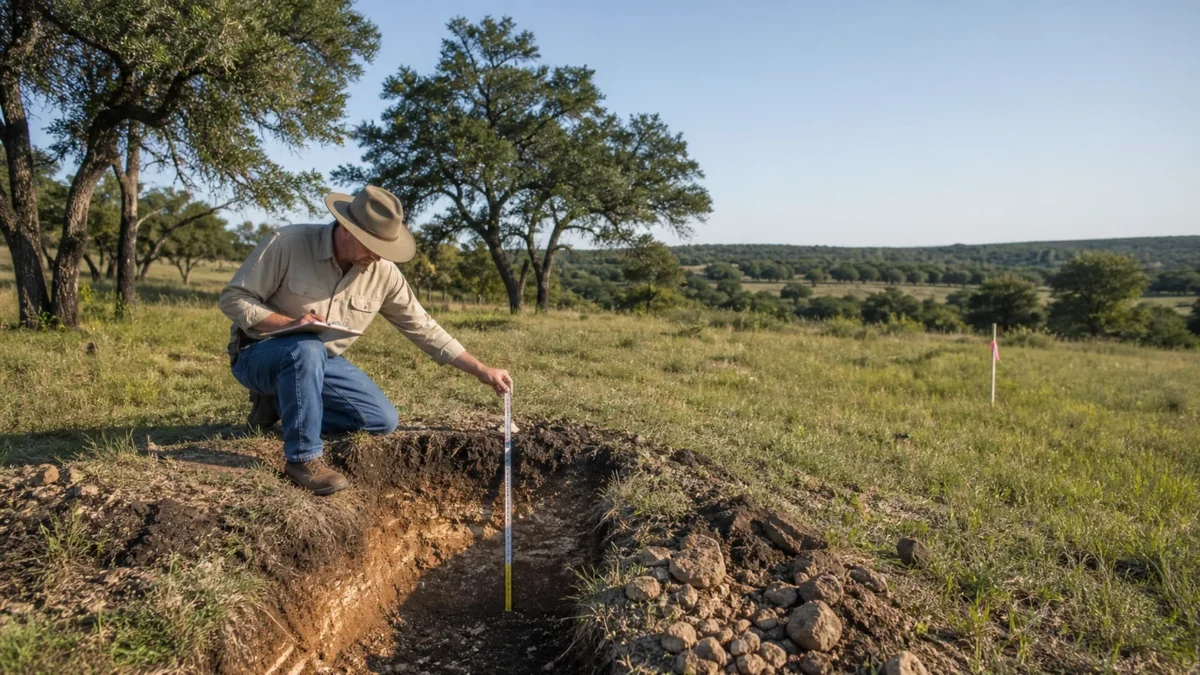
Where public sewer is unavailable, septic feasibility is a site question. The EPA’s septic-system guidance directs owners to local permitting authorities and explains that site conditions and local requirements affect system selection. Do not assume an existing RV connection is approved; verify permits, capacity, inspection history, maintenance duties, and whether the system can lawfully receive the proposed flow.
Flood exposure also deserves a parcel-level check. FEMA calls its Flood Map Service Center the official public source for National Flood Insurance Program maps, but mapped low or minimal hazard does not mean no flood risk. Review drainage, access during storms, insurance availability, and local floodplain requirements, especially before adding a pad, enclosure, or utility equipment.
Control, upkeep, and community rules
Renters generally trade control for convenience. Management may maintain roads, common areas, landscaping, and shared amenities, while retaining authority over site appearance and conduct. Buyers may gain voting or improvement rights, but can also inherit dues, special assessments, architectural review, road maintenance, vegetation management, and responsibility for failed utility equipment.
Request the full rental agreement or owner packet before paying. For ownership, review the title commitment, recorded restrictions, association budget, reserves, insurance, meeting minutes, pending assessments, rental policy, and enforcement history. Confirm whether the “lot” is deeded land, a condominium interest, a membership, a leasehold, or another arrangement; those structures carry different rights and exit paths.
Make a side-by-side decision
Use the same time horizon for both options. Estimate a realistic number of nights or months of use, then compare cash required now, annual carrying costs, likely maintenance, flexibility, and the cost of leaving. Renting can be the lower-risk trial when your destination or schedule is uncertain. Buying can offer continuity when the parcel, rules, infrastructure, and total budget fit. Neither outcome is guaranteed, so make the decision from current documents and written estimates.
Before you sign
- Confirm the legal interest being rented or sold and who maintains it.
- Verify RV occupancy, stay limits, improvements, guests, pets, and rental rights in writing.
- Price utilities, wastewater, access, insurance, taxes, dues, and likely assessments.
- Review cancellation, default, resale, transfer, and dispute terms.
- Use qualified local legal, title, tax, insurance, and inspection help when the risk warrants it.
Looking for a place to park your RV? Browse our RV lots for sale, many with owner financing.